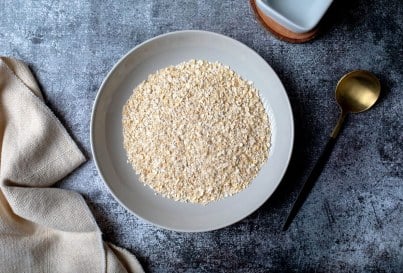






Oat beta-glucans: what they are, what they do and why mushroom ones are not the same

The oat kind is soluble fibre with two recognised functions: 3 g a day for cholesterol and 4 g per 30 g of carbs for blood sugar. The mushroom kind is something else.

Read more

Bloating after meals: what actually causes it and when it is not about food

Eating fast, big portions, fizzy drinks, polyols, lactose and ramping up fibre explain most cases. And there are signs that call for a medical appointment.

Read more

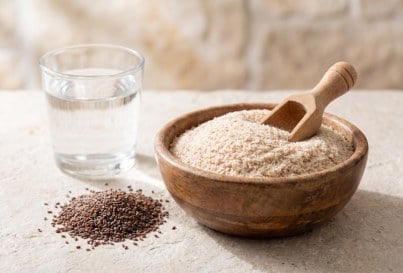
Psyllium: what it is, how to take it and when another fibre sits better

Plantago ovata husk forms a gel that adds bulk to stools and fills the stomach. How to take it with water, who should avoid it and how it differs from flaxseed and chia.

Read more

Prebiotics and probiotics: how they differ and why they work better together

One is a live microorganism; the other is what that microorganism eats. And in the European Union there is no authorised health claim for either of them.

Read more

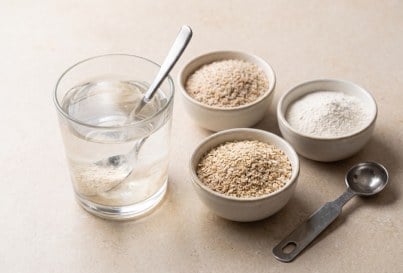
Fibre supplements: psyllium, inulin, beta-glucans and GOS, which one to choose

No single fibre wins every time: it depends what you want it for. Six options compared, with the amount you need in each case and how well each one sits.

Read more

Foods High in Vitamin A: the 10 Richest and How Much You Need

The 10 foods with the most vitamin A, from liver to carrots and persimmon, with their micrograms per 100 g, how much you need a day and when too much is a risk.

Read more

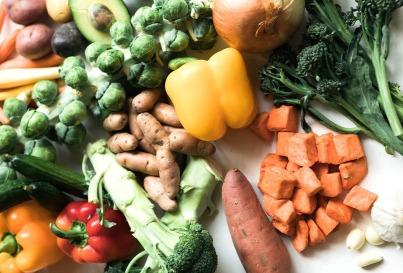
High Fiber Foods: Full Chart and How Much Fiber You Need Per Day

EFSA sets 25 g of fiber a day and in Spain adults eat 15.8 g. Here is the chart of 36 high fiber foods with grams per 100 g and per real serving, each with its USDA identifier, the difference between soluble and insoluble fiber, what the evidence really shows on cholesterol, blood glucose, weight and gut bacteria, and a one-day menu that adds up to 40.7 g without supplements.

Read more
Glutamine: What it is, what it’s used for and how to take it correctly

Read more

Magnesium citrate: What it’s used for, key benefits and how to take it in 2026

Read more

Nutritional Yeast: Properties, Benefits and How Athletes Should Take It

Read more

Zinc and magnesium before bed: what they do and when to take them

Taking zinc and magnesium 30-60 minutes before bed improves deep sleep, lowers cortisol and speeds up muscle recovery. Doses, best timing and which form to choose.

Read more

Vitamins for Appetite in Adults: Which Ones Help and How to Take Them

Read more

Nuts Benefits: Complete Guide for Health and Athletic Performance

Discover the science-backed health benefits of nuts for cardiovascular health, brain function, weight management, digestion, and athletic recovery. Nutrient comparison and practical tips included.

Read more

What to Eat for Breakfast Before a Workout: Maximize Your Performance

Eat 60 to 120 minutes before training, combining fast carbs with a moderate amount of protein and keeping fat and fibre low to avoid heavy digestion.

Read more

Supplements for building muscle mass

The supplements that actually build muscle, by level of evidence: whey protein (1.6-2.2 g/kg), creatine (3-5 g) and caffeine. The rest are optimisers.

Read more

High-Protein Foods for Your Fitness Goals

Read more

Supplements after 40: what women and men really need

Read more

The best tips for eating healthy without restrictions or stress

Read more

Energy Bar vs Protein Bar: Differences and When to Take Each

Read more

Benefits of probiotics for kids: Complete guide | JustLoading

Read more

Gaming Supplements: The Definitive Guide to Boost Your Performance

Read more

7 Daily Habits to Keep Your Brain Healthy and Sharp

Read more

What is gluten and what does gluten-free mean? Coeliac disease, intolerance and products

Read more

What is the healthiest sugar? Types of sugar, dates and how to sweeten

Read more
group_work Cookie consent