













Shopping Cart
There are no more items in your cart
TL;DR: an energy bar contains mostly carbohydrate and is eaten before or during effort; a protein bar contains mostly protein and is eaten after training or between meals. For efforts lasting over an hour, the general guideline is 30 to 60 g of carbohydrate per hour. To choose, check the label for carbohydrate per bar, grams of protein and whether it contains polyols such as maltitol.
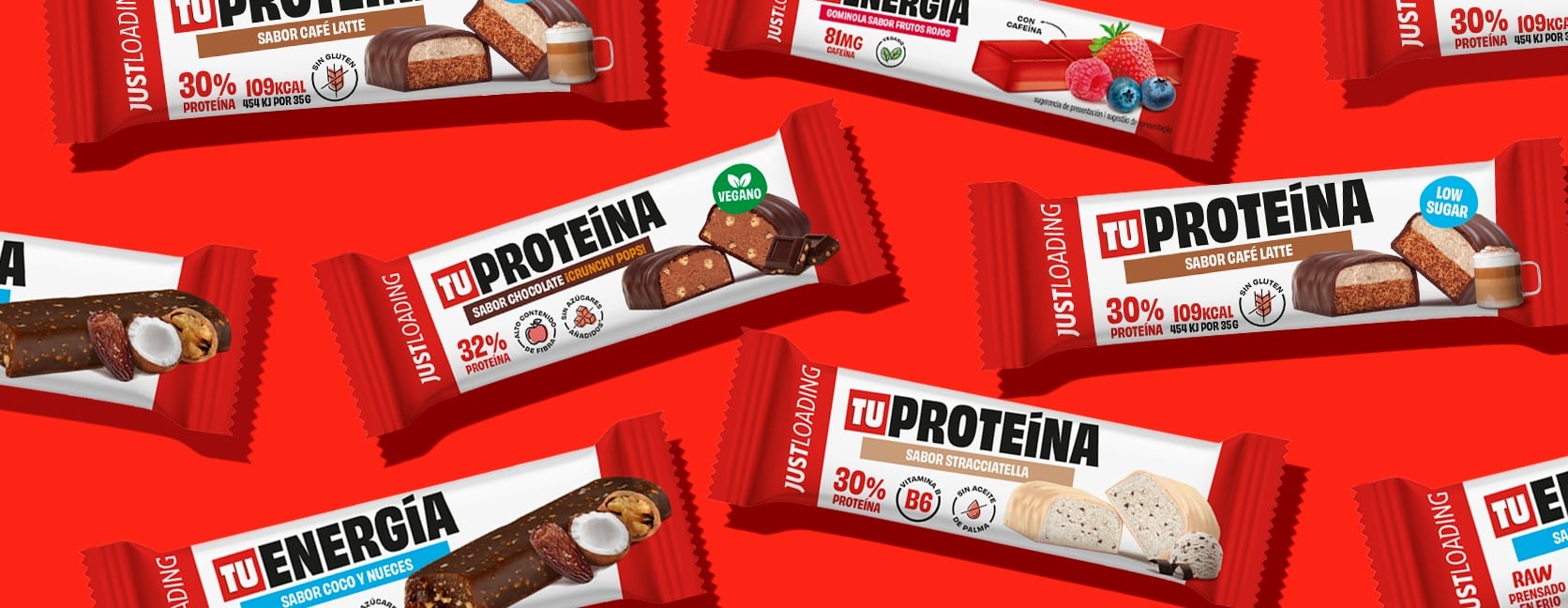
An energy bar and a protein bar look alike in the wrapper and do different jobs. The energy bar is fuel; the protein bar is material for the muscle. Here are the differences, when to use each and how to read the label so you do not get it wrong. Each has its own category: energy bars and protein bars.
Differences between an energy bar and a protein bar
What is the difference between an energy bar and a protein bar?
An energy bar supplies mostly carbohydrate, to use as fuel before or during effort. A protein bar supplies mostly protein, for after training or between meals. Both can contain fibre, fat and vitamins, so check the carbohydrate and protein per bar on the label.
| Feature | Energy bar | Protein bar |
|---|---|---|
| What it mostly contains | Carbohydrate | Protein |
| When you eat it | Before or during effort | After training or between meals |
| What to check on the label | Carbohydrate and sugars per bar | Grams of protein and polyols |
| Example from the range | Date and coconut: 90% date and 3 ingredients | Brownie: 6.9 g of protein and 100 kcal in 27 g |
| Another example | Peanut for padel: 5.8 g of protein and 3 g of creatine | Pistachio and chocolate: 16.6 g of protein and 209 kcal in 50 g |
Energy bars
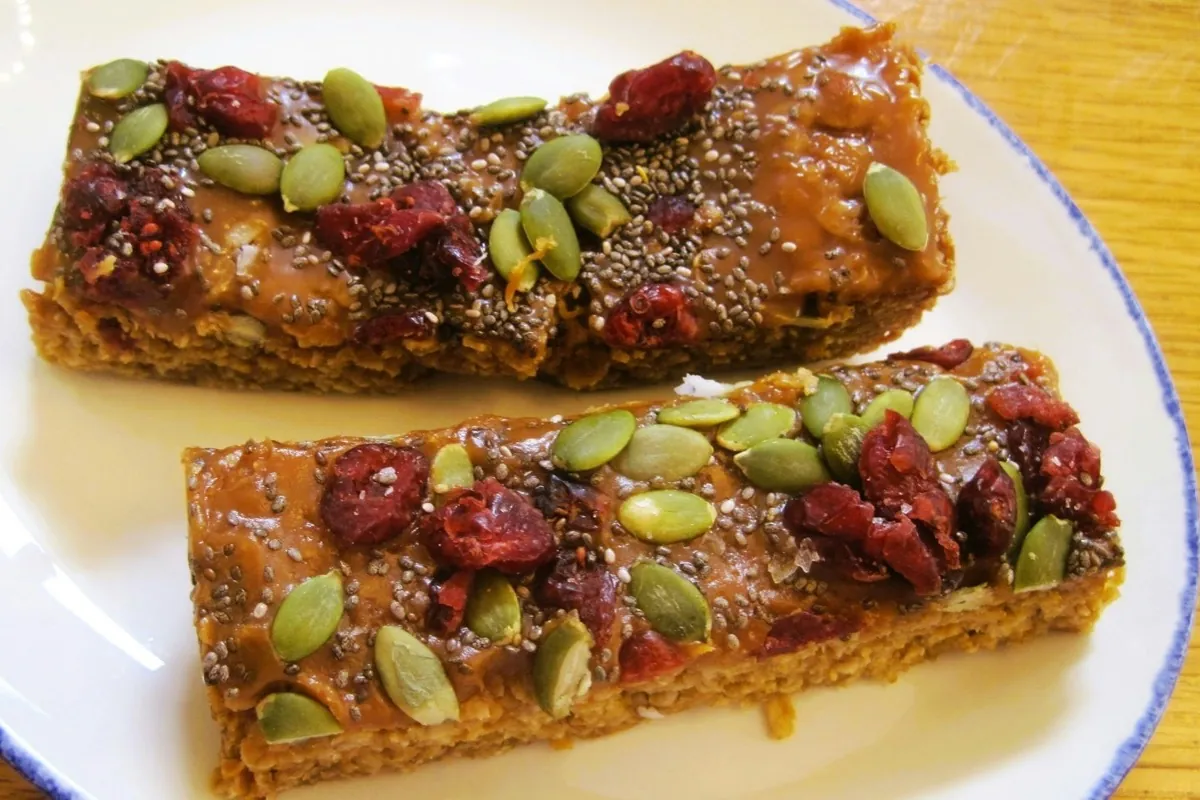
An energy bar is a way to eat carbohydrate with no spoons or cups. It is what cyclists and runners use when effort drags on.
What are energy bars used for?
For having easy-to-eat carbohydrate to hand when you train or compete: before you start or during long efforts, such as a bike ride or a race. They play a role similar to a gel or a banana, with more texture. They are not a relevant source of protein.
How long does an energy bar take to work?
If it contains fast-absorbing carbohydrate, such as dates or sugars, it is usually a matter of 15 to 30 minutes. Bars with more fibre, fat or nuts digest more slowly and take effect later. It varies with the bar and with whether you take it with water and on an empty or full stomach.
How much to eat on long efforts
For efforts of more than an hour, the general guideline is 30 to 60 g of carbohydrate per hour. The label of the date and coconut bar says one every 30-45 minutes in endurance. Take them with water so they digest well.
What the in-house range contains
The almond and banana bar has 42% almond, and per bar 3.2 g of protein, 168 mg of potassium and 27.3 mg of magnesium. The date and coconut bar is made with 90% date, coconut and walnuts, with no added sugar, and is vegan. The cocoa cream and peanut bar has 28% cocoa and hazelnut cream and 22% roasted peanut, with 178 kcal, 4.8 g of protein and 3.3 g of fibre per bar. The 40 g peanut bar for padel adds 3 g of creatine, which with high-intensity exercise increases performance in successive bursts of short exercise.
Protein bars
What are protein bars for?
They add protein conveniently when food does not give you enough: after training, between meals or when travelling. If 20% or more of the energy comes from protein, it can be said that protein contributes to the growth and maintenance of muscle mass. They do not replace a full meal.
How healthy are protein bars?
It depends on the bar, and there is a big difference between them. Check how much protein it has, how much sugar and whether it uses polyols such as maltitol, which in excess can have a laxative effect. One with little sugar and good protein is a reasonable snack. One with as much sugar as a sweet is not.
Is it good to eat protein bars every day?
In a healthy person, one a day fits in a varied diet if you count its calories and it does not replace real meals. If it contains polyols, do not overdo it. Your daily protein should come mainly from food: eggs, pulses, fish, meat and dairy. The bar is a tool, not the foundation.
What the in-house range contains
The stracciatella and dark chocolate bars have 30% protein and vitamin B6, and the dark chocolate one contains no palm oil. The 27 g brownie bar gives 100 kcal, 6.9 g of protein, 3.2 g of fibre and 8.4 g of sugars, and is not vegan. The pistachio and chocolate cream bar weighs 50 g and has 16.6 g of protein and 3 g of fibre, with maltitol. In all four, protein is over 20% of the energy.
When to eat each one
Which bar should I eat before training?
An energy bar, especially if you train hard or for over an hour: it supplies carbohydrate that digests easily. Eat it 30 to 60 minutes beforehand. A protein bar before training does no harm, but it digests more slowly because of its protein and fat and does not give you the fuel you are after.
Which bar should I eat after training?
A protein bar: it supplies protein for the muscle you have worked, and if the session was long, the carbohydrate in an energy bar helps replace what was used. If you train again within a few hours, combine both or eat something more substantial. Protein contributes to the growth and maintenance of muscle mass.
How to read a bar label
Four facts are enough. The carbohydrate per bar, and how much of it is sugars. The grams of protein, and whether protein is 20% or more of the energy, which you work out by multiplying the grams by 4 and dividing by the bar's kcal. The fibre. And the ingredients list, where polyols such as maltitol or sorbitol appear, along with allergens such as milk, soya or tree nuts.
There is a third type, the bar with probiotics, which is a regular bar with added bacteria. We look at it in protein bars with probiotics. And if what you need is a meal before training, see what to eat for breakfast before a workout.
Which bars can a person with diabetes eat?
It depends on the type of diabetes, the medication and what you eat the rest of the day, so the decision is for your doctor or dietitian. As a guide, look at the carbohydrate and sugars on the label: energy bars usually contain more carbohydrate than protein bars. There is no bar that suits everyone.
