




High Fiber Foods: Full Chart and How Much Fiber You Need Per Day

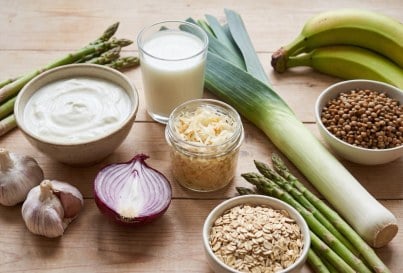
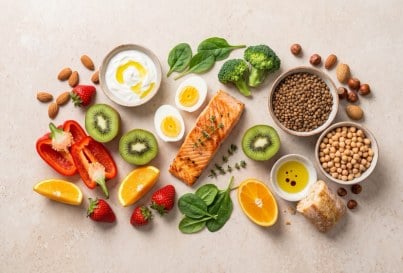
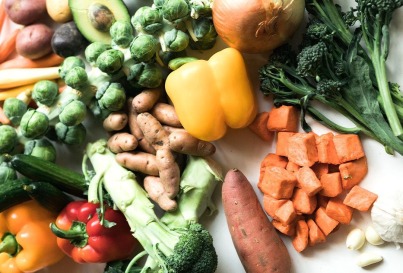
EFSA sets 25 g of fiber a day and in Spain adults eat 15.8 g. Here is the chart of 36 high fiber foods with grams per 100 g and per real serving, each with its USDA identifier, the difference between soluble and insoluble fiber, what the evidence really shows on cholesterol, blood glucose, weight and gut bacteria, and a one-day menu that adds up to 40.7 g without supplements.

Read more
Cardio vs strength training: which is better for your goals and how to combine them

Neither cardio nor strength training wins on its own. Here is what to prioritise for your goal, which one to do first in a session and how to split both across the week.

Read more

Supersets: what they are, types and how to use them to maximise your training

What supersets are, how to perform them and which types exist to add intensity without making your workout longer.

Read more

What to eat after the GYM: recovery and goals

How much protein and carbs to have after training, when to eat and what to avoid, according to your goal.

Read more

Discover the Benefits of Pre-Workout

Read more

Glutamine: What it is, what it’s used for and how to take it correctly

Read more

Magnesium citrate: What it’s used for, key benefits and how to take it in 2026

Read more

Nutritional Yeast: Properties, Benefits and How Athletes Should Take It

Read more

Zinc and magnesium before bed: speed up your recovery and get a good night’s sleep

Taking zinc and magnesium 30-60 minutes before bed improves deep sleep, lowers cortisol and speeds up muscle recovery. Doses, best timing and which form to choose.

Read more

Why do we need to replenish electrolytes?

Read more

Vitaminas para abrir el apetito en adultos: cuáles ayudan y cómo tomarlas

Read more

Creatine vs protein: differences, when to take them and whether you can combine them

Read more

How to Get the Most Out of BCAAs?

Read more

Nuts Benefits: Complete Guide for Health and Athletic Performance

Discover the science-backed health benefits of nuts for cardiovascular health, brain function, weight management, digestion, and athletic recovery. Nutrient comparison and practical tips included.

Read more

Qué desayunar antes de entrenar: maximiza tu rendimiento

Eat 60 to 120 minutes before training, combining fast carbs with a moderate amount of protein and keeping fat and fibre low to avoid heavy digestion.

Read more

Supplements for building muscle mass

The supplements that actually build muscle, by level of evidence: whey protein (1.6-2.2 g/kg), creatine (3-5 g) and caffeine. The rest are optimisers.

Read more

Alimentos altos en proteínas para tus objetivos

Read more

¿Para qué sirve la proteína? Funciones y beneficios

Read more

Alimentos que contienen vitaminas: tu guía para una dieta completa y saludable

Read more

Para qué sirve la creatina, qué beneficios tiene y cómo tomarla

Read more

Supplements after 40: what you really need

Read more

Isotonic, hypotonic and hypertonic – do you want to know the difference?

Read more

L-Carnitine: What it’s used for, benefits and how to take it correctly

L-Carnitine carries fatty acids into the mitochondria so your body can burn them for energy. Effective dose: 500-2,000 mg a day, 30-60 minutes before training.

Read more

Desventajas de la Avena: Lo que debes saber antes de consumirla en 2026

Read more