












Shopping Cart
There are no more items in your cart
TL;DR: No single food covers every vitamin: B12 is only found in animal products, C comes from fruit and vegetables, and D comes almost entirely from oily fish, egg yolk and sunlight. The EFSA reference intake for vitamin C is 110 mg a day for men and 95 mg for women. The approach that works is variety, not looking for one food that does it all.
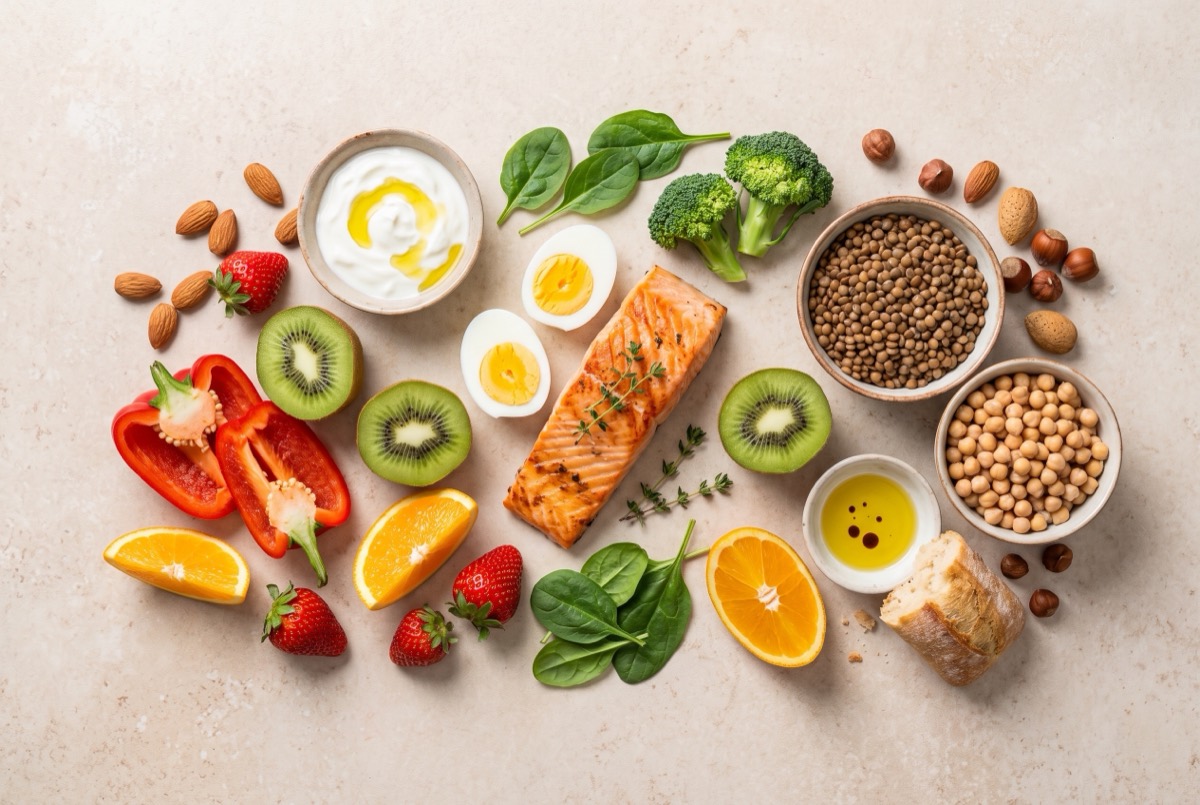
B vitamins, C, D, A, E and K: each one does a different job, and none of them replaces the others. What follows is which foods provide each one, the reference amounts EFSA sets for an adult, and their real relationship with heart health, without promising more than the evidence supports.
Which Foods Contain Each Vitamin
This table summarises the main function of each vitamin and the foods where it appears most often.
| Vitamin | What it's for | Where to find it |
|---|---|---|
| A | Normal vision | Liver, carrot, spinach, sweet potato |
| B1 (thiamine) | Normal energy metabolism | Legumes, pork, whole grains, nuts |
| B6 | Reducing tiredness and fatigue | Chicken, fish, chickpeas, banana |
| B9 (folate) | Blood formation | Legumes, leafy greens, asparagus, avocado |
| B12 | Red blood cell formation | Meat, fish, shellfish, eggs |
| C | Immune system | Red pepper, kiwi, strawberries, citrus fruit |
| D | Maintenance of bones, teeth and muscle function | Salmon, sardines, mackerel, egg yolk |
| E | Protecting cells from oxidative damage | Olive oil, almonds, hazelnuts, sunflower seeds |
| K | Normal blood clotting | Spinach, broccoli, chard, Brussels sprouts |
What Are 20 Foods Rich in Vitamins?
Among the most commonly cited are liver, carrot, spinach, sweet potato, egg, legumes, pork, whole grains, nuts, chicken, fish, chickpeas, banana, potato, avocado, red pepper, kiwi, strawberries, orange and salmon, and together they span nearly every vitamin covered in this guide.
What Food Has the Most Vitamins?
None of them contain every vitamin. Liver comes closest, since a single serving concentrates vitamin A, B12 and folate, but its high vitamin A content means it's not a good idea to eat it every day. What actually covers your needs is varying your foods, not looking for one that does it all.
B Vitamins
B vitamins are involved in normal energy metabolism and in the nervous system. They don't provide a quick hit of energy: the body uses them every day to function, so what matters is getting them regularly.
What Foods Contain Vitamin B12?
B12 is only found in animal products: meat, fish, shellfish, eggs and dairy. Anyone following a vegan diet can't cover it with unfortified plant foods, so they need B12-fortified foods or a supplement instead. The reference amount for an adult is 4 µg a day.
Vitamin B6 is found in chicken, fish, chickpeas, banana and potato. It contributes to normal energy metabolism, the nervous system, red blood cell formation and reducing tiredness and fatigue. The reference amount for an adult is 1.7 mg a day for men and 1.6 mg for women.
Thiamine, or B1, is found in legumes, pork, whole grains and nuts, and contributes to normal energy metabolism and the nervous system. Folate, or B9, is found in legumes, leafy greens, asparagus and avocado; it's involved in blood formation and in the growth of maternal tissue during pregnancy. The reference amount is 330 µg a day, rising to 600 µg during pregnancy.
Vitamin C: Fruit and Vegetables, Best Raw or Lightly Cooked
Vitamin C contributes to the immune system, to collagen formation —the protein that supports blood vessels, bones, cartilage, gums, skin and teeth—, to reducing tiredness and fatigue, to protecting cells from oxidative damage, and it increases iron absorption from food.
Which Fruits Have the Most Vitamin C?
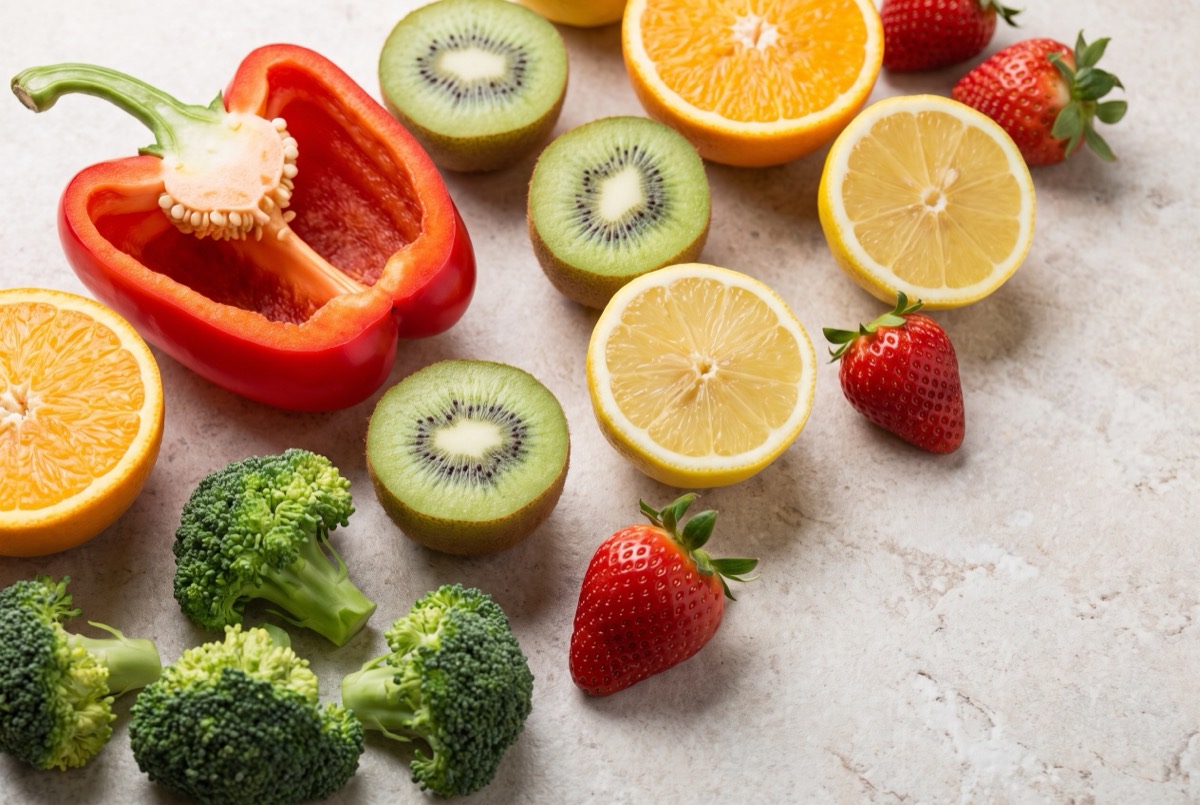
Red pepper, kiwi, strawberries and citrus fruits like oranges stand out for their vitamin C content, along with broccoli among vegetables. Cooking these foods at high temperatures or for a long time reduces their content, so you get more out of them raw or lightly cooked, such as steamed.
The EFSA reference intake for an adult is 110 mg a day for men and 95 mg for women, rising to 105 mg in pregnancy and 155 mg while breastfeeding. If you want to go deeper into this vitamin, there's the guide on why vitamin C matters, and if you're looking to cover it with a supplement, there's vitamin C tablets or the combination of collagen, magnesium and vitamin C.
Vitamin D: The One You Get Least From Food
Vitamin D contributes to the absorption and use of calcium and phosphorus, to the maintenance of bones, teeth and muscle function, and to the immune system. And it has one particular quirk: most of it doesn't come from food.
What Foods Contain Vitamin D?
Oily fish —salmon, sardines and mackerel—, egg yolk and some fortified foods are the main dietary sources of vitamin D. Even so, most of it forms in the skin through sun exposure, not through diet. The daily reference amount for an adult is 15 µg.
That's why diet matters more for people who spend little time outdoors or rarely eat oily fish. In those cases, if in doubt, a blood test is a better bet than guessing.
Vitamins A, E and K
These three vitamins are fat-soluble, so they're absorbed better if the meal includes some oil or nuts.
What Foods Contain Vitamin A?
Liver, carrot, spinach and sweet potato are among the foods that contain the most vitamin A, together with egg. It contributes to normal vision, to the maintenance of skin and mucous membranes, to the immune system, and to normal metabolism of iron in the body.
The reference amount is 750 µg a day for men and 650 µg for women. This vitamin has more nuance than fits here —including the difference between the type that comes from animal foods and the type provided by plant-based beta-carotene—, and all of it is covered in the article on foods high in vitamin A.
Vitamin E is found in olive oil, almonds, hazelnuts and sunflower seeds. It contributes to protecting cells from oxidative damage, and the daily reference amount is 13 mg for men and 11 mg for women. If nuts interest you as a source of nutrients, there's the guide on the benefits of nuts.
Vitamin K is found in leafy greens: spinach, broccoli, chard and Brussels sprouts. It contributes to normal blood clotting and to the maintenance of bones, with a reference amount of 70 µg a day.
Vitamins and Heart Health
Which Vitamins Are Good for the Heart?
Thiamine (B1) contributes to the normal function of the heart. Vitamins B6, B9 and B12 contribute to normal homocysteine metabolism. Omega-3 isn't technically a vitamin, but the EPA and DHA found in oily fish also contribute to normal heart function, at an intake of 250 mg a day.
Vitamin C and vitamin E round out the list, but only for one function: both contribute to protecting cells from oxidative damage. No vitamin replaces the rest of the habits that influence cardiovascular health.
Eating a varied diet is still the foundation for covering all the vitamins without depending on a single food. If you're looking for how to organise the rest of your meals, there's the guide with the best tips for eating healthy without restrictions or stress.
Remember: if you have any doubts about your specific case, consult a healthcare professional. Food supplements are not a substitute for a varied and balanced diet.
