













Shopping Cart
There are no more items in your cart
TL;DR: A prebiotic is the food — a fibre such as resistant maltodextrin or oat beta-glucans — and a probiotic is the microorganism that feeds on it, such as the LactoSpore strain (Bacillus coagulans). In the European Union there is no authorised health claim for prebiotics or probiotics as a category: the only things you can state are the specific effects of certain fibres, and only above a set amount. A product that pairs fibre with a probiotic can only speak to what each ingredient provides at the amount it contains.
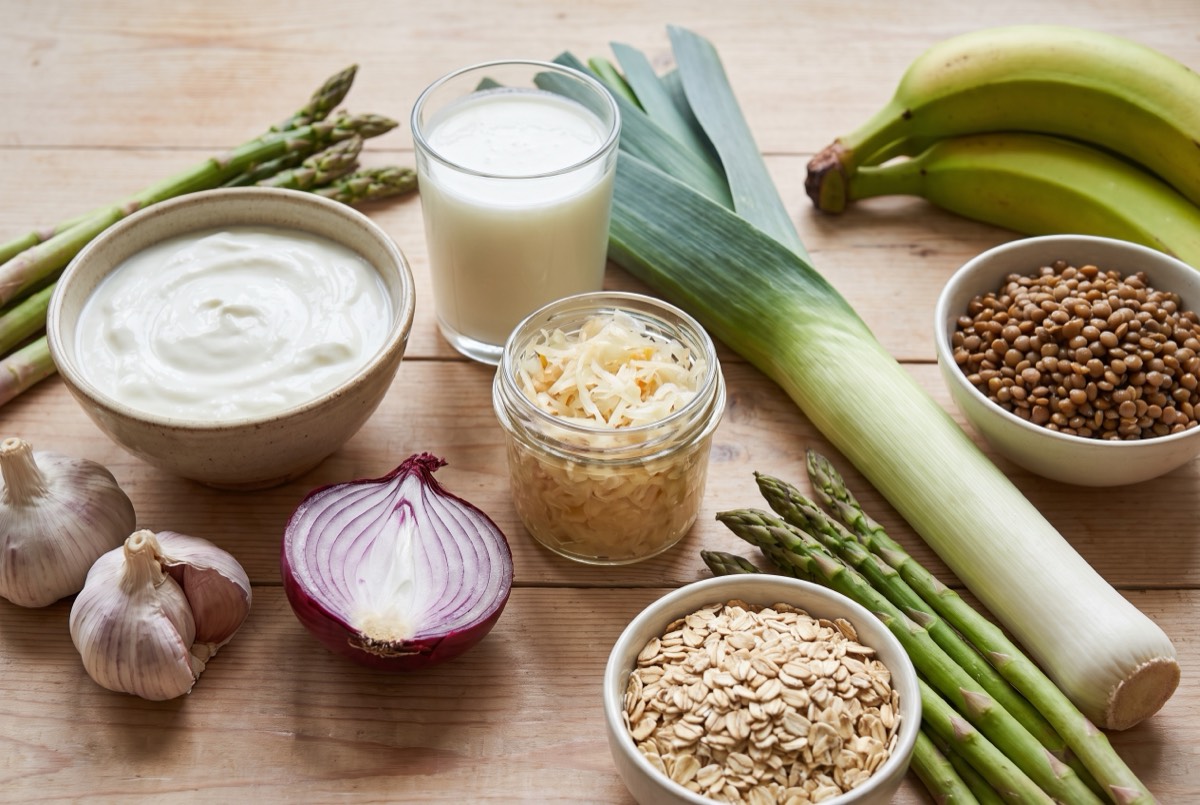
Prebiotic and probiotic get used as synonyms on plenty of packaging on the shelf, and they aren't. One is a living microorganism; the other is what that microorganism eats. The mix-up isn't just about vocabulary: it lets a yoghurt or a capsule get hung with a benefit that neither the science nor European regulation allows anyone to promise yet. It's worth separating the two terms — and seeing what can genuinely be said about each — before putting either one in your basket.
What prebiotics and probiotics are
The difference starts with the name itself. A prebiotic is a dietary component, almost always a fibre, that gut bacteria use as food. A probiotic is the microorganism itself: a specific strain of bacteria or yeast taken alive, with the intention that it reaches the gut still active. The first one feeds; the second one is fed.

What are prebiotics and probiotics, and what are they for?
A prebiotic is the substrate — a fibre such as resistant maltodextrin, oat beta-glucans or inulin — that feeds gut bacteria. A probiotic is a live strain of bacteria or yeast, such as LactoSpore (Bacillus coagulans), taken directly. They're sold together because one explains the other's role, even though each ingredient is assessed separately, on its own evidence.
What you can say about each one, and what you can't
Here's the nuance the packaging almost never spells out. In the European Union, neither "prebiotic" nor "probiotic" has a recognised health claim as a category: no brand can say they boost immunity, improve digestion or balance gut flora. What does exist is a short list of specific fibres with a recognised function, always tied to a minimum amount.
| What it is | Where it's found | What can genuinely be claimed | How much you need |
|---|---|---|---|
| Resistant maltodextrin (for example, Fibersol-2) | Corn starch processed to resist digestion | It is a soluble fibre that dissolves without thickening or adding taste; no specific effect is claimed for it here | Depends on the dose in each product |
| Oat and barley beta-glucans | Oats, barley | Contributes to the maintenance of normal blood cholesterol levels | 3 g a day |
| Oat beta-glucans | Oats | Contributes to the reduction of the blood glucose rise after that meal | 4 g per 30 g of carbohydrates in that meal |
| Chicory inulin | Chicory, artichoke, leek | Contributes to normal bowel function by increasing stool frequency | 12 g a day of native chicory inulin |
| Wheat bran | Wholewheat | Contributes to an acceleration of intestinal transit | 10 g a day |
| GOS (galacto-oligosaccharides) | Breast milk, pulses | Nothing authorised: it's known which bacteria it feeds, but it has no recognised health claim | No amount is set by law |
| Probiotic (any strain, including LactoSpore or Bacillus coagulans) | Yoghurt, kefir, sauerkraut, capsules or powders | Nothing authorised: no strain currently has a recognised health claim in the EU | No amount is set by law |
Which prebiotics are worth choosing?
To start with, resistant maltodextrin, which dissolves in any drink without changing its texture, and oat beta-glucans, which also have a recognised function from 3 g a day. Chicory inulin and wheat bran have one too, but at higher amounts (12 g and 10 g a day), and GOS is well studied as food for bifidobacteria even though it doesn't currently carry a claim of its own. A blend with only a few grams of fibre per serving adds fibre, but if it doesn't reach 3 g of beta-glucans it doesn't deliver the cholesterol effect.
Why it makes sense to take them together
The logic is simple even without any claim involved: a probiotic that arrives with nothing to eat depends entirely on what's already in the gut, while a prebiotic with no bacteria to make use of it is just fibre passing through. Combining the two — a prebiotic fibre and a probiotic strain — doesn't change the regulation, but it does complete both halves of the same equation.
That's what's called a synbiotic: a prebiotic fibre, such as resistant maltodextrin or an oat extract rich in beta-glucans, and a probiotic, such as LactoSpore (Bacillus coagulans), in the same serving. It's a convenient way to add fibre, but a few grams per serving don't replace the 25-30 g a day that's recommended and that most people fall short of.
What happens if I take probiotics and prebiotics every day?
As dietary components, there's no limit that forces you to alternate days: prebiotic fibre is taken daily the same way you'd eat fruit or pulses, and a probiotic only keeps its strain active in the gut for as long as you keep taking it. What is worth watching daily is the amount of fibre, for the reason that follows.
What to expect if you start taking fibre
Fibre isn't a neutral ingredient for the digestive system, and raising the amount all at once is noticeable. Here's what people who've already tried it tend to ask.
Does fibre have side effects?
The most common are gas, bloating and changes in bowel rhythm, especially in the first few days. They're usually down to a sudden jump in the amount or to drinking too little water alongside it, not to fibre disagreeing with you in general. Increasing the dose gradually almost always cuts down these symptoms.
Why does my stomach hurt when I take fibre?
Almost always down to speed: jumping straight from little fibre to a large serving gives the gut little time to adjust, and that shows up as gas or discomfort. Taking it without enough liquid plays a part too, because some fibres retain water and need that amount to work without causing tightness.
How long does fibre take to work?
It depends what you're after, but it's almost never immediate: in the first few days you may only notice a slight change in bowel rhythm, and the prebiotic effect builds with continued use rather than a single dose. With a fibre taken daily, the usual timeline is this:
- First 24 h: fermentation in the colon may start, though you probably won't notice anything.
- 24-72 h: some people begin to notice more regular bowel movements or changes in their stools.
- 1-2 weeks: this is the more reasonable point to assess the effect on intestinal transit with daily use.
Something like cholesterol, on the other hand, needs weeks of consistent intake at the exact beta-glucan dose to show up in a blood test, not in how you feel day to day.
What happens if I take fibre every day?
Taking it daily is, in fact, how it's meant to be used: authorised claims are calculated on sustained daily intake, not a one-off dose. The risk isn't in the frequency, but in raising the amount a lot without enough water alongside it, which can cause the discomfort described above.
What fibre doesn't do
There's already a full guide on what fibre is, which foods contain it and how much you need a day over on this article; what's left here is closing out the question that comes up most about fibre and gut cleansing.
Does fibre really cleanse your gut?
No, at least not in the "detox" sense it's usually given. Fibre doesn't remove toxins or clean anything: it increases stool volume and, in the case of wheat bran, speeds up intestinal transit, which is different from purifying the body. That distinction is exactly what separates a recognised function from a marketing idea.
Where this fits into what you already take
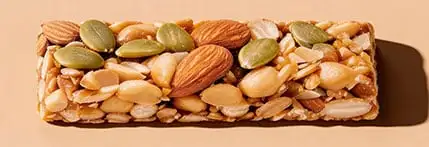
The catalogue already has a bar format for the probiotic, something covered in this article on protein bars with probiotics.
The probiotic bars category has what's currently in stock.
To compare formats — powder, capsule or bar — and decide which fits your case best, that comparison is in this guide on which fibre supplement to choose. And if you'd rather dig into the role of the microbiota first, that conversation continues in this guide on probiotics.
Remember: if you have any doubts about your particular case, talk to a healthcare professional. Food supplements are not a substitute for a varied and balanced diet.
