












Shopping Cart
There are no more items in your cart
Oats are far more than a breakfast staple: this humble grain packs slow-release carbs, quality protein and beta-glucan fiber that support heart health, digestion and steady energy. Below we break down what the science says about oats for your gut, heart and workouts, plus exactly how to soak, cook and eat them to avoid discomfort.
Oats are not just the breakfast of champions; they are a genuine superfood available to everyone. This unassuming grain, known scientifically as Avena sativa, delivers energy, fiber and essential nutrients that make it a staple for anyone looking to boost athletic performance, support their health, or simply feel better day to day. In this guide, we cover the full picture on oats and how to get the most out of them.
Nutritional properties of oats
The real value of oats lies in a balanced, complete nutritional profile. It is not just a carbohydrate source, it is a package of nutrients that work together to benefit your body.
Macronutrients: complex carbs, protein and healthy fats
Oats are an outstanding source of high-quality macronutrients. Their main component is slow-digesting carbohydrates, which release energy gradually and steadily, avoiding blood sugar spikes and keeping you active for longer. They also contain more protein than most other grains, which is valuable for muscle recovery and maintenance, and round out their profile with unsaturated fats that support overall health.
Rich in soluble fiber: the role of beta-glucans
If oats have one standout component, it is beta-glucan. This soluble fiber forms a gel-like substance when it meets water in the digestive system. That gel is behind many of the best-known benefits of oats: it slows digestion, increases fullness, helps manage cholesterol levels and feeds the good bacteria in your gut. You can read more about why fiber matters in your diet on our blog.
Vitamins and minerals packed into every grain
Beyond macronutrients, oats are a treasure trove of micronutrients. They are especially rich in:
- Manganese: Essential for metabolism and bone health.
- Phosphorus: Key for building bones and teeth.
- Magnesium: Involved in over 300 processes in the body, including muscle and nerve function.
- B vitamins: Essential for turning food into energy.
- Iron and zinc: Vital for the immune system and oxygen transport.
Health benefits of eating oats
Thanks to their nutritional makeup, oats are not just food, they are a tool for supporting your overall wellbeing. Their benefits are backed by both science and the experience of millions of people.
Heart health: what do cardiologists say about oats?
Heart health specialists commonly recommend oats. Their ability to lower LDL ("bad") cholesterol and help regulate blood pressure makes them a genuinely protective food for the heart, largely thanks to beta-glucans.
How should you eat oats to lower blood pressure?
To help lower blood pressure, eat whole oats regularly, ideally at breakfast. The combination of fiber (beta-glucans) and magnesium helps relax blood vessels. A 40-50 gram bowl of oat flakes with water or milk is a solid way to start the day while looking after your blood pressure.
Cholesterol control and heart health
The gel formed by beta-glucans in the gut traps some cholesterol and bile acids, helping the body eliminate them. This simple but effective mechanism helps lower blood cholesterol levels, a key factor in preventing cardiovascular disease.
An ally for your digestive system
A healthy gut is the foundation of a healthy body, and oats are one of its best allies. Their fiber acts as a prebiotic, feeding the beneficial bacteria in your gut microbiota.
Are oats good for constipation?
Yes, oats are excellent for relieving constipation. Insoluble fiber adds bulk to stool, while soluble fiber (beta-glucans) softens it, making bowel movements more regular and comfortable.
Do oats help clean out the colon?
Yes, oats support a clean colon by promoting regular bowel movements. Their fiber acts like a brush that sweeps waste through the digestive tract, helping prevent the buildup of toxins.
How should you prepare oats for irritable bowel syndrome?
For irritable bowel syndrome, cook oats thoroughly with plenty of water until soft and creamy. Avoid eating them raw and start with small portions to test your tolerance. Soaking beforehand, and discarding that water, also makes them easier to digest.
Weight control and increased fullness
If you are trying to manage your weight, oats are a great ally. Their high fiber and protein content helps you feel full for longer, reducing the urge to snack between meals. This lasting sense of fullness is key to keeping total calorie intake in check without feeling deprived.
The perfect athlete's snack: Protein Flapjack
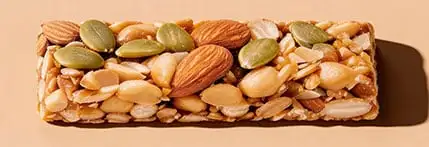
When you need sustained energy between meals or after the gym, our oat-based energy bars combine the complex carbs of whole oats with high-quality protein for muscle recovery. Ideal for your bag or your gym locker.
Blood sugar regulation and its impact on diabetes
Oats have a low glycemic index, meaning their carbohydrates are released slowly into the bloodstream, avoiding sharp spikes in glucose and insulin. This makes them a solid food choice for people with type 2 diabetes or anyone looking to keep energy levels stable.
Are oats good for the pancreas?
Yes, oats are good for the pancreas because they reduce its workload. By preventing sharp spikes in blood sugar, the pancreas does not need to release large amounts of insulin at once, which helps improve insulin sensitivity and reduce strain on this vital organ.
Oats and skin: nourishment from the inside and out
Oats also look after your skin from within. Their silicon content supports collagen production, while zinc and B vitamins help maintain healthy skin and combat issues like acne. Applied externally, oat water is used as a soothing tonic for irritated skin.
Other potential benefits for your body
The versatility of oats extends to many other areas of health.
Is it good to eat oats if you have gastritis?
Yes, oats are highly recommended for gastritis. Cooking them releases compounds called mucilages that form a protective layer over the stomach lining, helping soothe irritation and reduce acidity for gentle, natural relief.
Are oats good for fatty liver?
Yes, oats can benefit people with fatty liver. By helping control weight, cholesterol and blood sugar, they reduce the main risk factors linked to this condition. Their fiber also helps clear toxins, easing the liver's workload.
Are oats good for anemia?
Yes, oats are a good source of plant-based iron, so they can help with iron-deficiency anemia. To maximize absorption, pair them with a source of vitamin C, such as strawberries, kiwi or a glass of orange juice.
Oats for athletes: the performance carbohydrate
If there is one food serious athletes should not cut from their diet, it is oats. Their slow-release carbohydrates provide sustained energy for hours, unlike simple sugars that burn out quickly. Add in their protein, magnesium and B vitamin content, and oats become a complete ally for performance and muscle recovery.
Oats before training: the pre-workout protocol
Eating oats 60 to 90 minutes before training is one of the most effective nutrition strategies around. Their complex carbs gradually fill muscle glycogen stores, giving you steady energy through the whole session without the crash that comes with fast sugar.
Recommended pre-workout serving: 40-60g of oat flakes plus a protein source (half a scoop of whey or 3 egg whites), with cinnamon to taste for extra blood sugar control.
Oats after training: muscle recovery
The post-workout window is the ideal time to replenish spent glycogen. Oats, paired with a fast-absorbing protein, form the perfect duo for muscle recovery: the carbs in oats trigger an insulin response that helps shuttle nutrients into the muscle.
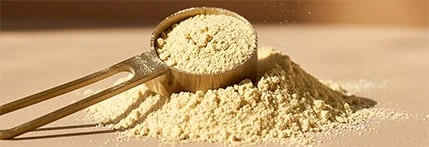
The classic combo: 40g of oats plus 1 scoop of whey protein with milk or water. Find out more about what to eat before and after training to get the most out of every session.
Oats for building muscle (bulking)
During a bulking phase, oats are an efficient way to raise your calorie intake with quality carbs. An 80-100g portion at breakfast, paired with protein and healthy fats, can deliver over 400 nutrient-dense kcal, ideal for hitting the calorie surplus needed to build muscle without piling on unnecessary fat.
Oats when cutting
During a cutting phase, oats remain a strong ally: cut the portion to 30-40g, prioritize it at breakfast or pre-workout and pair it with lean protein. The fullness it provides helps control appetite and stick to a calorie-restricted diet.
How to eat oats correctly to get the most from them
Preparation is key to unlocking the full benefits of oats and ensuring good digestion. With a few simple steps, you can turn them into a delicious, functional meal.
Raw vs. cooked oats: myths and facts
Neither option is objectively better, they are simply different. Cooked oats are easier to digest and their soluble fiber activates more effectively with heat. Raw oats, on the other hand, retain some heat-sensitive vitamins intact but can feel heavier for some people.
Raw oats: how to eat them safely
Raw oats retain a higher content of antioxidants and vitamins. To eat them safely and comfortably, the key is to soak them beforehand for at least 30 minutes (or overnight), or blend them into smoothies. You will also find them in ready-to-eat products such as our oat-based energy bars.
Why should you soak oats? The key step for digestion
Oats contain phytic acid, an "antinutrient" that can hinder the absorption of minerals like iron, zinc and calcium. Soaking oats activates an enzyme called phytase, which neutralizes much of that phytic acid, "freeing up" the minerals and making the oats far more nutritious and easier to digest.
How do you prepare oats so they don't cause gas?
To avoid gas: 1) Soak the oats for at least 30 minutes and discard the water. 2) Cook them thoroughly over low heat until soft. 3) Start small: if you are not used to that much fiber, begin with a 20-30g portion and increase it gradually.
When you soak oats, should you discard the water?
Yes, you should always discard the soaking water. That water is where phytic acid and other compounds that can cause digestive discomfort are released. Rinse the flakes well under the tap before cooking them with fresh water or milk.
Popular ways to eat oats: getting the most flavor and nutrients
Oats are incredibly versatile. You can prepare them as porridge, cooked oatmeal, smoothies, cookies, or stir them into yogurt. The possibilities are endless! One of our favorite recipes is these oat pancakes with almond cream.
What is oats with milk good for?
Oats with milk is a well-rounded nutritional combination. It gives you a balanced breakfast or evening meal with sustained energy (from the oats) plus high-quality protein, calcium and vitamin D (from the milk). This mix supports muscle recovery and increases fullness.
Oat water: properties and how to make it
Oat water is a light, digestion-friendly drink. Its benefits include hydration, a mild feeling of fullness, and a dose of soluble fiber. To make it, blend 4 tablespoons of soaked oats with a liter of water and strain the mixture. It is a great option between meals.
How and when to fit oats into your daily diet
Adding oats to your routine is easy, and the benefits show up in both the short and long term. The key is consistency and finding the time of day that suits you best.
What happens if you eat oats every day?
Eating oats every day is an excellent choice for your health. Over time, it helps improve digestive health, keep cholesterol and blood sugar stable, and provide steady energy. It is a habit your body will thank you for, as long as it is part of a varied, balanced diet.
Is it better to eat oats in the morning or at night?
There is no single right answer, it depends on your goals. Both times of day offer different benefits.
Benefits of oats at breakfast: is it the healthiest choice?
Eating oats at breakfast is one of the smartest ways to start the day. It gives you sustained energy through the morning, helping you avoid the mid-morning slump and stay focused and productive. It is the perfect fuel before a demanding day or a training session.
Eating oats at night to support better sleep
A small portion of oats at night can support better sleep. Oats contain tryptophan, an amino acid the body uses to produce serotonin and melatonin, the hormones behind wellbeing and sleep. Their complex carbs also help stabilize blood sugar overnight.
How many tablespoons of oats should you have at breakfast?
The ideal breakfast portion of oats is usually 3 to 5 tablespoons, roughly 30-50 grams dry. That amount is enough to get the benefits without excess calories. You can adjust it based on your activity level and personal goals.
Recommended frequency: how many times a week should you eat oats?
You can eat oats up to seven times a week, meaning daily. It is a safe, highly beneficial food. As with anything, variety is key, so make sure the rest of your diet includes other whole grains, fruit, vegetables and protein sources for a full nutrient spectrum.
Types of oats and their differences: which one should you choose?
At the supermarket you will find several types of oats. Knowing their differences will help you pick the right one for your needs.
Comparing oat types: fiber, glycemic index and best uses
| Oat type | Fiber | Glycemic index | Cook time | Best for |
|---|---|---|---|---|
| Thick rolled oats (whole) | High | Low (~50) | 10-15 min | Porridge, athletes, bulking |
| Thin rolled oats | Medium-high | Medium (~55) | 3-5 min | Smoothies, quick recipes |
| Oat bran | Very high | Low (~45) | 2-3 min | Adding to yogurt, cholesterol control |
| Instant oats | Low | High (~70) | 1 min | In a hurry; not recommended as a staple |
| Oat flour | Medium | Medium (~60) | — | Healthy baking, pancakes |
Whole oats vs. processed oats
Whole oats (like thick rolled oats or steel-cut oats) retain every part of the grain: bran, germ and endosperm. This makes them richer in fiber, vitamins and minerals. Processed or instant oats cook faster but often have less fiber and a higher glycemic index.
Rolled oats, bran and oat flour: specific uses and benefits
- Rolled oats: The most versatile option. Great for porridge, homemade granola, or stirring into yogurt. Thick flakes contain more fiber than thin ones.
- Oat bran: The outer layer of the grain, highly concentrated in fiber (especially beta-glucans). Perfect for adding an extra spoonful to smoothies or yogurt to boost fullness and support cholesterol control.
- Oat flour: Made by milling rolled oats. A healthy alternative to wheat flour for pancakes, cakes or cookies, like in this healthy banana and oat cookie recipe.
Oat milk: a plant-based alternative
Oat milk is a creamy plant-based drink with a naturally sweet taste. It is a solid alternative to cow's milk, especially for people with lactose intolerance. Although its protein content is lower, many brands fortify it with calcium and vitamin D. It is light, easy to digest, and great in coffee or protein smoothies.
Remember: if you have any doubts about your particular case, speak to a healthcare professional. Food supplements are not a substitute for a varied and balanced diet.
