












Shopping Cart
There are no more items in your cart
Protein for cyclists is not optional extra: it is what repairs and rebuilds the muscle tissue that riding breaks down. As a baseline, aim for at least 1 gram of protein per kilogram of body weight per day, more if you train hard or want to build muscle. Whey isolate is the leaner, more filtered option; whey concentrate is the more affordable everyday choice. Creatine, beta-alanine and a recovery shake can round out the rest of your nutrition plan.
Protein is a basic nutrient for any athlete, and for cyclists it is a key part of the diet because it helps repair and build the muscles that a ride puts to work. When you train, your muscles go through small amounts of damage and wear, and protein is what helps repair and rebuild that damaged muscle tissue.
Protein is also needed to produce the hormones and enzymes that keep the body working properly, which is part of why endurance athletes cannot afford to treat it as an afterthought.
How Much Protein Do Cyclists Actually Need?
As an athlete, it is generally recommended that you get at least 1 gram of protein per kilogram of body weight per day. You may need more if you are doing intense training or trying to build muscle mass.
How much protein should a cyclist eat per day?
Most endurance cyclists do well with at least 1 gram of protein per kilogram of body weight each day, and that amount can rise if training volume increases or the goal is to build muscle.
Does eating more protein automatically build more muscle?
No. Extra protein only helps once training stress and recovery are already in place, and beyond a certain point additional protein is simply used for energy rather than extra muscle growth.
So how do you get enough protein to support endurance cycling? The simple answer is protein shakes. One of the most common options is whey protein, and depending on how it is processed and filtered, you end up with one type of whey or another.
Can a protein shake replace whole food after a ride?
A shake is a fast and convenient way to reach your daily protein target, but it works best alongside balanced meals rather than as the only source of protein in your diet.
Whey Protein Isolate
Whey protein isolate, also known as ISO or Whey Protein Isolate, is a higher-quality protein thanks to its ultra-filtration process.
What makes whey protein isolate different?
Isolate goes through extra filtering that removes most of the fat and carbohydrate, leaving a very high percentage of protein with a fuller amino acid profile per serving.
JustLoading's isolate and whey protein range is built around a single active ingredient with no fillers, which is why it reaches such a high level of purity. This kind of high-biological-value protein carries a complete amino acid profile, including around 3 grams of leucine per serving, an amino acid that plays a key role in muscle recovery.
Is whey isolate suitable if I am sensitive to lactose?
Isolate contains much less lactose than concentrate because of its filtering process, which makes it easier to tolerate for people who are sensitive to dairy sugar, though it is not guaranteed to be lactose free.
Whey Protein Concentrate
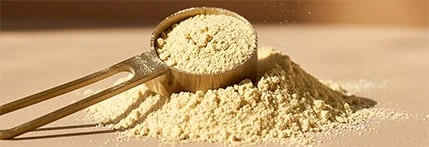
Whey Protein Concentrate comes from cow's milk, specifically from milk whey, just like the rest of the whey protein family. So what is the difference from isolate? Concentrate can be thought of as the first stage of filtering.
How is concentrate different from isolate?
Concentrate goes through only the first stage of filtering, so it keeps a slightly higher amount of fat, carbohydrate and lactose while still delivering a strong protein content per serving.
At JustLoading you will find Whey Protein powder in chocolate flavour, plus a vanilla version, and a ready-to-drink chocolate protein shake for days when mixing a shaker is not practical.
Is a ready to drink protein shake as effective as powder?
A ready to drink shake provides the same core protein content as the powder version, with the only real difference being convenience since it needs no mixing or shaker bottle.
Other Supplements Cyclists Should Consider
Drinking protein shakes matters, but it is not the whole picture. A proper nutrition plan for cycling also needs to replace the energy you burn and supply nutrients that help regenerate and build muscle tissue.
Among the sports supplements worth adding to your daily routine are:
- Pre-workout
- Creatine
- Beta-alanine
- Endurance recovery shake
Is creatine useful for a cyclist?
Creatine mainly supports short, high intensity efforts such as sprints and climbs, and can also help the body hold onto muscle glycogen, which matters over long rides.
What does beta-alanine do for endurance cycling?
Beta-alanine helps buffer the acid that builds up in muscles during hard efforts, which can push back the point at which the legs start to burn on a climb or a sprint finish.
Do I need a dedicated recovery product after every ride?
A recovery product is most useful after long or intense sessions when muscle glycogen and protein stores are heavily depleted, while a normal meal is usually enough after an easy ride.
If you have any questions about nutrition around these products, or about protein for cycling in general, feel free to visit our blog to stay informed.
Remember: if you have any doubts about your particular case, speak to a healthcare professional. Food supplements are not a substitute for a varied and balanced diet.
