








Shopping Cart
There are no more items in your cart
TL;DR: on a long ride, take an oat bar 60-90 minutes before setting off, 30 to 60 g of carbohydrate an hour from the first hour (gels, bars and isotonic drink), up to 90 g/h on very long rides if your gut tolerates it, and protein with carbohydrate when you finish. There is no magic supplement: the basis is to eat early, sip your drink and test everything in training. Iron or vitamin D only after a blood test.
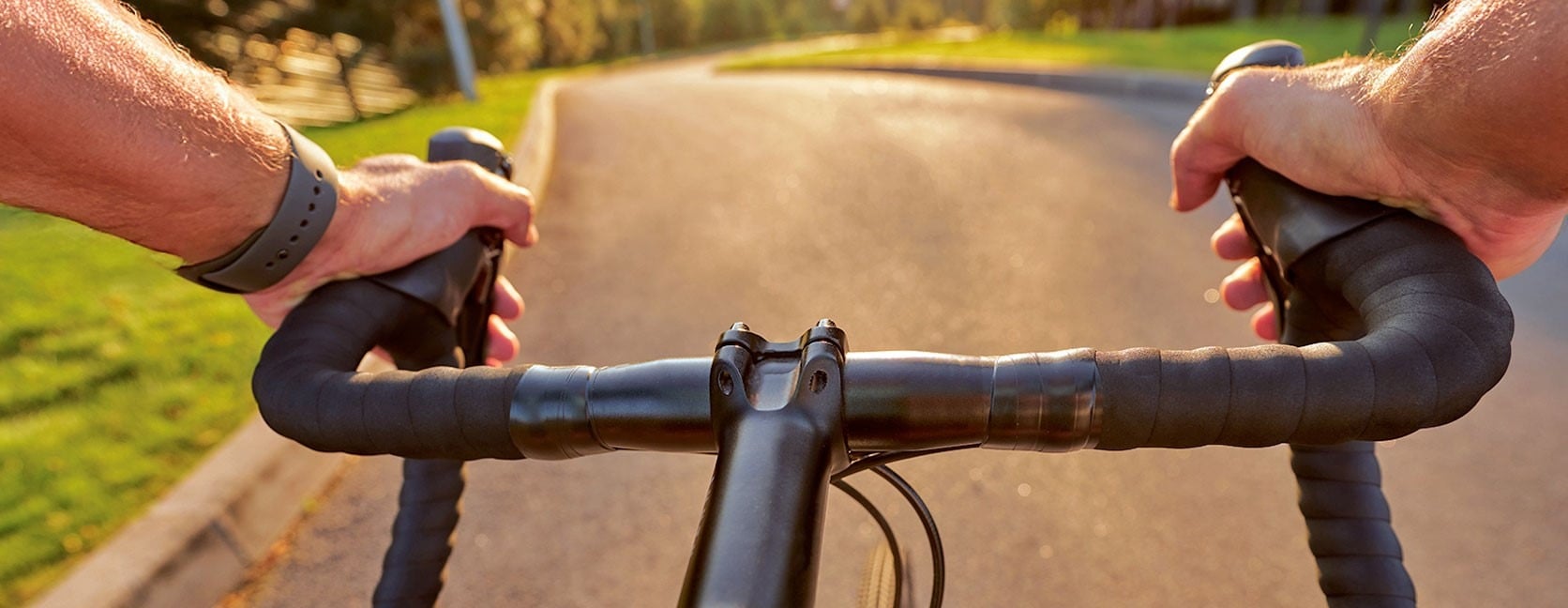
Supplements for cyclists come down to one practical question: what goes in the jersey pocket and when to take it. Here is what cyclists take before, during and after a ride, with the grams of carbohydrate in each product so you can do your own sums.
What cyclists take to perform
Muscle runs on glycogen, the fuel that runs low after 60-90 minutes of sustained effort. The plan follows from that: arrive with full stores, replace carbohydrate and fluid while you pedal and recover when you finish.
| When | Aim | What to take | JustLoading product (carbohydrate) |
|---|---|---|---|
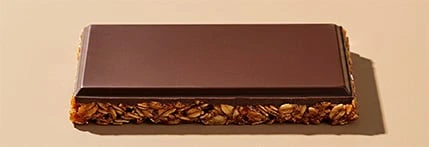
| Before, 60-90 min | Fill the stores | Oat bar | Chocolate and cappuccino flapjack, 60 g (33.2 g) |
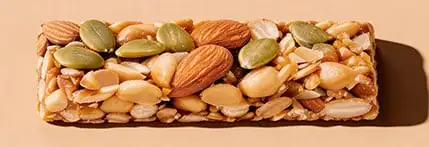
| Before, early start | Light energy | Fruit bar | Date and coconut bar, 40 g (24.0 g) |
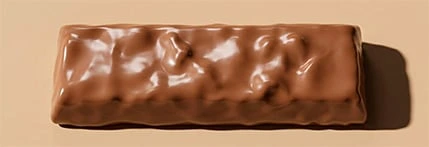
| During, every 30-40 min | 30-60 g of carbohydrate per hour | Gels and bars | Strawberry and kiwi gel, 30 g (21.4 g); cola gel with caffeine, 40 g (27.1 g) |
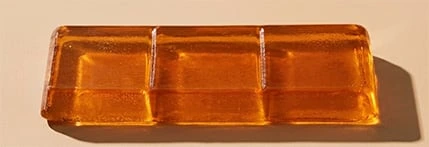
| During | Fluid and salts | Isotonic drink, electrolyte gummies | Lemon isotonic, 40 g in 500 ml (31.2 g); peach gummy bar, 30 g (24.8 g) |
| After | Muscle and reserves | Protein plus carbohydrate | Whey and a meal with carbohydrate |
What do cyclists take to improve performance?
Mostly carbohydrate and fluid during the ride: gels, bars and isotonic drink, at 30-60 g of carbohydrate an hour. Before setting off, an oat bar, and when you finish, protein with carbohydrate. The biggest gain comes from eating and drinking to a plan and from training your gut to cope with it.
Before you set off: load up on energy
Before the ride, the aim is to fill your glycogen and arrive hydrated. Plan around duration and elevation: a flat two-hour ride needs less than a five-hour one with climbs.
What should you eat before a bike ride?
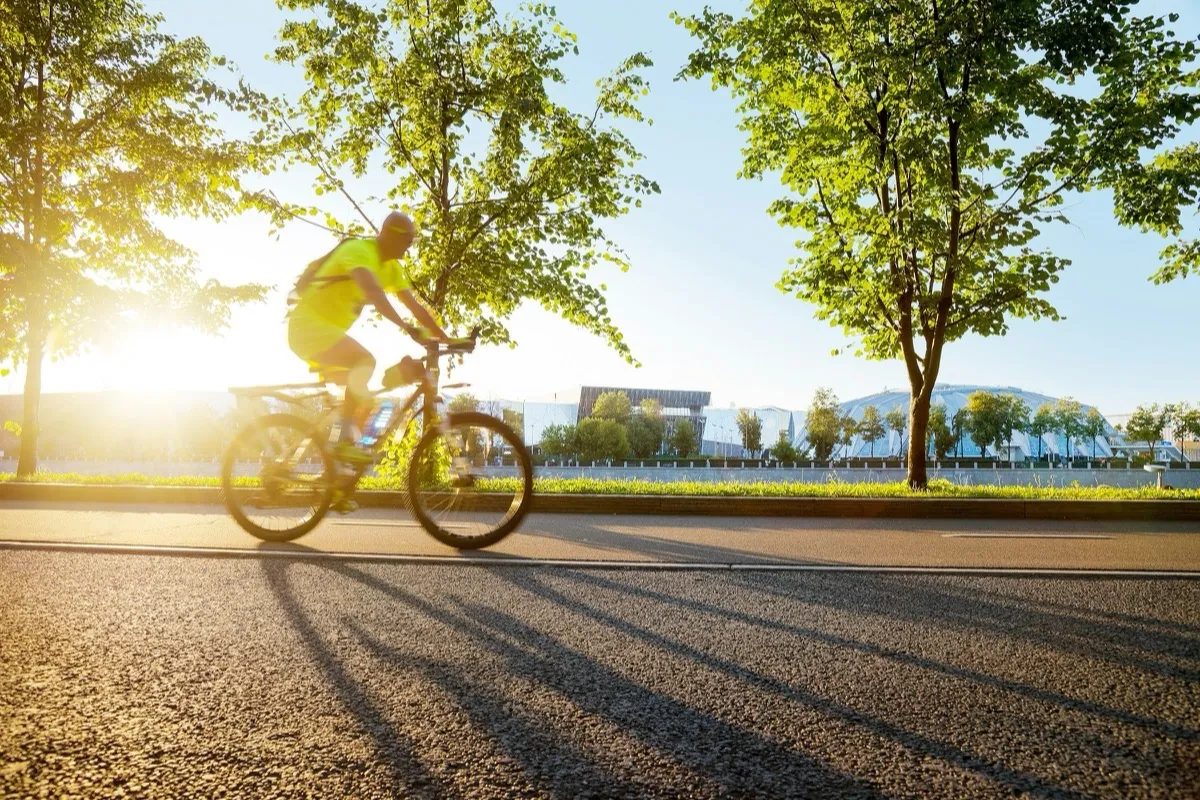
An oat bar, such as a flapjack, about 60-90 minutes before: it provides slowly absorbed carbohydrate without weighing on your stomach. If you start early and do not fancy a big bite, a date and coconut bar is lighter. Drink water or a mild drink 30 to 60 minutes before.
The chocolate and cappuccino flapjack weighs 60 g and has 33.2 g of carbohydrate, 277 kcal and 3.5 g of protein. It contains gluten and milk. The 40 g date and coconut bar has 24.0 g of carbohydrate, 133 kcal and 4.0 g of fibre, and is made with 90 % date paste.
During the ride: carbohydrate and hydration
What should you eat during a bike ride?
Fast-absorbing carbohydrate and fluid, starting once the first hour has passed and without waiting to feel hungry: gels, soft bars, electrolyte gummies or an isotonic drink. Alternate formats so you do not tire of sweet things, and drink in small, regular sips.
How often should you take a gel on the bike?
From 60-90 minutes in, a gel or a bar every 30-40 minutes, to reach 30 to 60 g of carbohydrate an hour. On rides over 2.5 hours, with a trained gut, you can go up to 90 g an hour using mixes of glucose and fructose. Take water with each gel.
That is the guidance in the position stand by Thomas, Erdman and Burke (2016) on nutrition and athletic performance.
What do cyclists take to avoid getting tired?
Nothing prevents tiredness, but three habits delay it: setting off with full stores, starting to eat early and keeping up 30-60 g of carbohydrate an hour with fluid. Some use a caffeine gel at specific moments, such as a climb. Caffeine does not replace eating, and it does not suit everyone.
JustLoading gels combine maltodextrin, dextrose and fructose. The 30 g strawberry and kiwi one has 21.4 g of carbohydrate, 86 kcal and 16 mg of taurine, and its label sets a maximum of 9 gels a day. The 40 g cola gel with caffeine and amino acids has 27.1 g of carbohydrate, 109 kcal and 65.9 mg of caffeine; EFSA considers up to 400 mg a day safe for adults, with single doses of up to 200 mg. It is not for children, or during pregnancy or breastfeeding.
What should you eat to ride 100 km?
For 3-4 hours, an oat bar before and between 30 and 60 g of carbohydrate an hour while you ride. One example is to combine a gel or a bar with a bottle of isotonic drink each hour, and adjust to your tolerance. Test the plan on a long training ride before repeating it in an event.
- Before setting off: chocolate and cappuccino flapjack (33 g of carbohydrate) and water.
- First hour: date and coconut bar (24 g) and isotonic drink in the bottle (31 g).
- Second hour: strawberry and kiwi gel (21 g) and isotonic drink.
- Third hour: cola gel with caffeine (27 g) and an electrolyte gummy bar (25 g).
- Fourth hour, if there is one: another gel and isotonic drink, to about 50 g an hour.
Are energy bars good for cycling?
Yes, on rides of more than an hour: they provide 20-35 g of carbohydrate in solid form, fit in a pocket and alternate well with gels. Try them first, because not all of them sit the same once you are riding.
An energy bar is not a protein bar: the difference is covered in energy bars versus protein bars.
If you prefer something to chew, the GummyPower gummy bar is another way to take fast carbohydrate. With a gel you only need one hand, which is welcome on a climb.
After: recover muscle and reserves
What do cyclists take to recover?
Protein with carbohydrate in the hour after the ride, plus water. The carbohydrate replaces the glycogen you have spent and the protein supplies what is needed to repair the muscle. A whey shake with a banana, or a normal meal with both, does the job.
Protein deserves its own article: how much to take, of what type and when is in protein for cyclists. Here only the timing matters: the sooner after finishing the better, and always with carbohydrate after a long ride.
Vitamins and mineral salts
Which vitamin is good for cycling?
No single vitamin improves cycling performance on its own. A varied diet covers the usual needs. Iron and vitamin D are supplemented only if a blood test shows you are short, because too much of either carries risks. The salts you lose in sweat are replaced with isotonic drink or electrolytes.
The article on isotonic, hypotonic and hypertonic drinks explains which drink suits each case, and why we need to replenish electrolytes deals with the salts. JustLoading's lemon isotonic gives, per 40 g in 500 ml, 31.2 g of carbohydrate, 153 mg of magnesium, 160 mg of calcium, vitamin C and B1. The rest of the gels and the drink are in the shop.
The 30 g peach electrolyte gummy bar has 24.8 g of carbohydrate (21.4 g of sugars) with sea salt and potassium and magnesium citrates. It contains the colourings E-129 and E-102, with a warning about children on the label.
