












Shopping Cart
There are no more items in your cart
Your immune system is your body's first line of defense, and there are simple signs that tell you when it needs support: constant tiredness, catching colds more often, hair loss, pale skin or feeling chilled. Daily habits like exercise, sun exposure and a balanced diet help keep it strong, while nutrients such as vitamin C, vitamin D, iron and selenium play a key role in supporting your defenses.
Your immune system is your body's first line of defense against a wide range of threats, both internal and external. It's made up of a network of organs and tissues, including the bone marrow, thymus, spleen and lymphatic tissue, that work together to protect you from infections and disease.
Keeping your immune system in good shape is essential for fighting off viruses, bacteria and other pathogens that can affect your health. When your immune system is strong, it's easier to stay healthy and active.
Warning Signs Your Immune System Needs Support
If your immune system is running low, your body can show a few telltale signs:
- Fatigue or muscle weakness: a constant tiredness with no obvious cause.
- Getting sick more often: frequent colds, flu or other infections can point to weakened defenses.
- Noticeable hair loss: weakened immunity can also affect hair health.
- Pale, fragile-looking skin: skin often looks less healthy when your defenses are down.
- Feeling chilled: with or without a fever, this is common when your defenses are low.
What are the most common signs of a weak immune system?
Common signs include constant fatigue or muscle weakness without an obvious cause, catching colds, flu or other infections more often than usual, noticeable hair loss, pale and fragile-looking skin, and a general chilled feeling in the body with or without fever.
Can hair loss really be linked to a weak immune system?
Yes, when the immune system is weakened it can also affect hair health, and noticeable hair loss is one of the signs that your defenses may need extra support.
How to Strengthen Your Immune System
There are plenty of everyday habits that help keep your immune system healthy. Here are some of the most important ones:
- Exercise: staying physically active on a regular basis strengthens your muscles and your immune system.
- Sun exposure: controlled sun exposure helps your body produce vitamin D, which is crucial for immune function.
- A balanced diet: a varied, nutrient-rich diet is key to nourishing your defense cells and keeping them in good shape.
Does regular exercise really help boost immunity?
Yes, staying physically active on a regular basis strengthens not only your muscles but also your immune system, making it one of the simplest daily habits for keeping your defenses strong.
Why is sun exposure important for immune health?
Controlled sun exposure helps your body produce vitamin D, which plays a key role in supporting normal immune function.
Vitamins and Minerals That Protect Your Immune System
The following nutrients play a key role in protecting and strengthening your immune system, so make sure they're part of your diet to keep your defenses at their best.
- Vitamin C: found in citrus fruits, peppers and broccoli, this powerful antioxidant helps fight free radicals and strengthens your defenses.
- Vitamin D: obtained from animal-based foods or sun exposure, it helps regulate the immune system.
- Folic acid: found in legumes and leafy greens, it's essential for cell renewal and immune health.
- Vitamin A: found in dairy and other animal-based foods, not just carrots, it supports the immune system's physical barriers.
- Vitamin B6: whole grains and offal are excellent sources of this vitamin, important for producing white blood cells.
- Vitamin B12: found only in animal-based foods, it's essential for forming immune cells.
- Iron: found in meat, seeds and legumes, it's key for carrying oxygen to immune cells.
- Selenium: this antioxidant, found in seafood, meat, fish, seeds and legumes, helps prevent cell damage.
- Copper: found in legumes, whole grains and seafood, it helps fight infections and support your defenses.
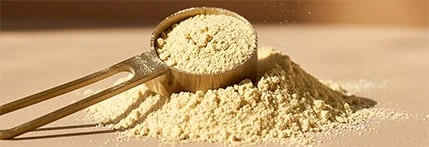
These nutrients are recognized by the European Food Safety Authority (EFSA) as contributors to normal immune function, which makes them essential allies for staying healthy. If you're looking for a convenient way to get some of them, our Vitamin C 500 mg tablets are a straightforward option, and our marine collagen powder is another way to round out your routine.
Which vitamins are most important for a healthy immune system?
Vitamin C, vitamin D, folic acid, vitamin A and vitamin B6 are among the vitamins most closely linked to a healthy immune system, and each one contributes in a different way, from fighting free radicals to supporting the production of white blood cells.
What role does vitamin C play in the immune system?
Vitamin C is a powerful antioxidant found in citrus fruits, peppers and broccoli, and it helps fight free radicals while supporting your body's natural defenses.
Which minerals also support the immune system?
Iron, selenium and copper are minerals that support immune health, helping transport oxygen to immune cells, protect against cell damage and fight off infections.
Boost Your Immune System with JustLoading
At JustLoading we offer a range of products enriched with vitamins and minerals, designed to help keep your defenses strong and your immune system healthy. If you have any questions about how to take them, our nutrition team is on hand to help. You can also check out our health blog for more tips on looking after your immune system and overall wellbeing.
Can supplements replace a healthy diet for immune support?
No, supplements are meant to complement a varied and balanced diet, not replace it, and they work best alongside healthy daily habits like exercise and adequate sun exposure.
How can JustLoading help support my immune system?
JustLoading offers a range of products enriched with vitamins and minerals designed to help keep your defenses strong, and its nutrition team is available to advise you on how to use them.
Remember: if you have any doubts about your particular case, speak to a healthcare professional. Food supplements are not a substitute for a varied and balanced diet.
