












Shopping Cart
There are no more items in your cart
Contact sports like boxing, judo, taekwondo and karate demand a lot from the body, and the right nutrition can make a real difference. This guide covers hydration, whey protein, energy gels, carbohydrates and caffeine, five areas worth paying attention to if you want to train harder and recover faster.
Last weekend we attended a boxing gala as collaborators for the first time, and one question came up again and again: what products actually help with this kind of sport? Contact disciplines put a unique strain on the body, so we put together a practical rundown of what to have on hand before, during and after training.
What Are Contact Sports?
Before getting into products, it helps to define the category. A contact sport is any discipline that involves physical confrontation between competitors, governed by rules that keep that contact controlled rather than violent. Judo, taekwondo, boxing and karate are among the most practiced, each combining technique, conditioning and split-second decision-making under physical pressure.
What counts as a contact sport?
A contact sport is any discipline that involves physical confrontation between opponents without the aim of causing harm. Judo, taekwondo, boxing and karate are common examples, each with its own rules for controlled physical contact.
Recommended Products for Contact Sports
With the demands of contact sports in mind, here are the categories of products that tend to make the biggest difference in training and recovery.
Isotonic Lemon Drink
Hydration is essential for keeping your body at a stable temperature and functioning at its best. A well-hydrated athlete benefits from steady muscle fiber contraction and relaxation, moist lung mucosa, and better-lubricated joints, all of which matter when sparring or grappling. An isotonic lemon drink is an easy way to replace fluids and electrolytes lost during a hard session.
Why is hydration important during contact sports?
Proper hydration keeps your body at a stable temperature and lets it function at its best. It supports steady contraction and relaxation of muscle fibers, keeps the lining of the lungs moist, and helps lubricate the joints during intense physical exchanges.
Whey Protein
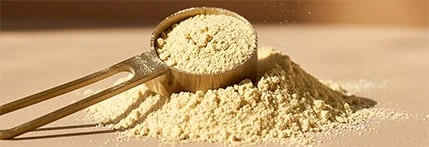
The intensity of a contact sports session carries a real risk of muscle protein breakdown, since the body can turn to muscle tissue for extra energy under stress. Adding whey protein to your routine helps offset that breakdown and supports the recovery process afterward.
How does whey protein help contact sport athletes?
High-intensity training sessions can put stress on muscle proteins, which the body may break down for energy. Whey protein provides a fast-absorbing source of amino acids that helps limit this breakdown and supports muscle recovery afterward.
Energy Gel with Caffeine and Amino Acids
An energy gel with caffeine and amino acids combines a quick energy boost with fast-acting amino acids that support protein synthesis and muscle recovery, making it a convenient option to use around training or competition.
What role do amino acids play in an energy gel?
Fast-acting amino acids in an energy gel support protein synthesis and contribute to the muscle recovery process, making them useful during or right after a demanding training session or match.
Carbohydrates and Oat-Based Bars
Carbohydrates are a key energy source, particularly in high-exertion sports like these. We recommend prioritizing carbs with a moderate-to-low glycemic index, such as rice, pasta, oats or fruit, and oat-based bars are a practical way to fit them into a training day.
Why do carbohydrates matter for high-intensity training?
Carbohydrates are a key energy source, especially in demanding sports that require repeated bursts of effort. They help maintain energy levels throughout a session and support recovery once training is over.
What's a good glycemic index choice for carbs?
Foods with a moderate-to-low glycemic index, such as rice, pasta, oats or fruit, release energy more gradually. This makes them a practical choice for fueling training without a sharp spike and drop in energy.
Caffeine and the GummyPower Bar
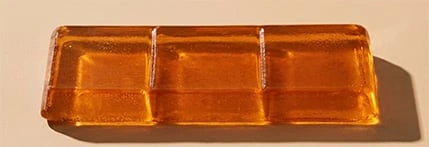
Caffeine isn't just a stimulant, it also has a recognized ergogenic effect: it can support athletic performance and raise the pain threshold during physical activity. A GummyPower bar is an easy way to combine a caffeine boost with electrolytes in a single snack.
How does caffeine improve athletic performance?
Caffeine is best known as a stimulant, but it also has an ergogenic effect: it can support athletic performance by increasing alertness and helping the body sustain effort during training.
Can caffeine increase pain tolerance during exercise?
Yes, one of the recognized effects of caffeine is raising the pain threshold during physical activity, which can help athletes push through the demands of a hard session or match.
Hydration, protein, energy gels, smart carbs and a bit of caffeine: together, these five categories cover most of what a contact sports athlete needs to train hard and recover well. Build a routine around your own sessions rather than using everything every day, and adjust as your training load changes.
How often should I use these supplements?
It depends on your training load and goals, so it's worth building a routine around your sessions rather than using every product every day. If you're unsure what fits your case, a healthcare professional can help you decide.
Remember: if you have any doubts about your particular case, speak to a healthcare professional. Food supplements are not a substitute for a varied and balanced diet.
