












Shopping Cart
There are no more items in your cart
TL;DR: vitamin C is an antioxidant the body does not store, so you need it every day: the label reference value is 80 mg and EFSA recommends 110 mg for adult men and 95 mg for women. It contributes to the immune system, collagen formation and the absorption of plant-based iron. A raw red pepper gives about 128 mg per 100 g. A diet with fruit and vegetables every day covers it; a supplement is optional.

When temperatures drop, plenty of people remember vitamin C. Your body needs it all year, because it neither makes it nor stores it in quantity. Here is what it does, how much you need, which foods are packed with it and when a supplement makes sense.
What vitamin C is for
What is vitamin C good for?
Vitamin C is an antioxidant that the body neither makes nor stores in quantity, so you need it every day. It contributes to the normal function of the immune system, to collagen formation, to iron absorption, to the reduction of tiredness and fatigue, and to protecting cells from oxidative damage.
What are the benefits of taking vitamin C?
It contributes to the normal function of the immune system, to collagen formation, to protecting cells from oxidative damage, to better absorption of plant-based iron, to the nervous system and to the reduction of tiredness. It supports your diet: it does not prevent or cure a cold.
If you are looking for the idea that it 'boosts your defences', this is what lies behind it: vitamin C contributes to the normal function of the immune system. It does not stop you catching a cold. To see which other vitamins come into play, there is our guide to vitamins for the immune system.
Collagen deserves a line: vitamin C contributes to its normal formation, hence its link with skin, cartilage and gums. We cover it, along with magnesium, in the article on collagen, magnesium and vitamin C.
Vitamin C and iron
Vitamin C improves the absorption of non-haem iron, the plant-based kind found in pulses, spinach and cereals. Serving a plate of lentils with a squeeze of lemon or raw pepper is a cheap and simple trick.
Vitamin C and sport
After very hard effort, your defences dip for a few hours. In people who do intense exercise, 200 mg a day on top of the diet contributes to maintaining normal immune function during and after the effort. For everyone else, the diet is enough.
How much vitamin C you need
The needs of a healthy adult are modest: a piece of fruit and a portion of vegetables at every meal cover them without counting.
How much vitamin C should you take a day?
The reference value on labels is 80 mg a day. EFSA recommends 110 mg for adult men and 95 mg for adult women. With fruit or vegetables at every meal it is easy to reach. Smoking, pregnancy and breastfeeding raise the requirement.
What are the symptoms of vitamin C deficiency?
Severe deficiency is called scurvy and is rare today. It starts with tiredness and weakness, and can go on to bleeding gums, easy bruising, joint pain and wounds that heal slowly. These signs have other possible causes, so if you notice them, see a doctor before supplementing.
Foods rich in vitamin C
Vitamin C is destroyed by heat and dissolves in cooking water, so raw or lightly cooked sources give more. This table lists approximate values from the USDA FoodData Central database for the raw food.
| Food | Vitamin C (mg per 100 g) |
|---|---|
| Red pepper | 128 |
| Kiwi | 93 |
| Broccoli | 89 |
| Papaya | 61 |
| Strawberry | 59 |
| Orange | 53 |
| Pineapple | 48 |
| Cantaloupe melon | 37 |
Which fruit has the most vitamin C?
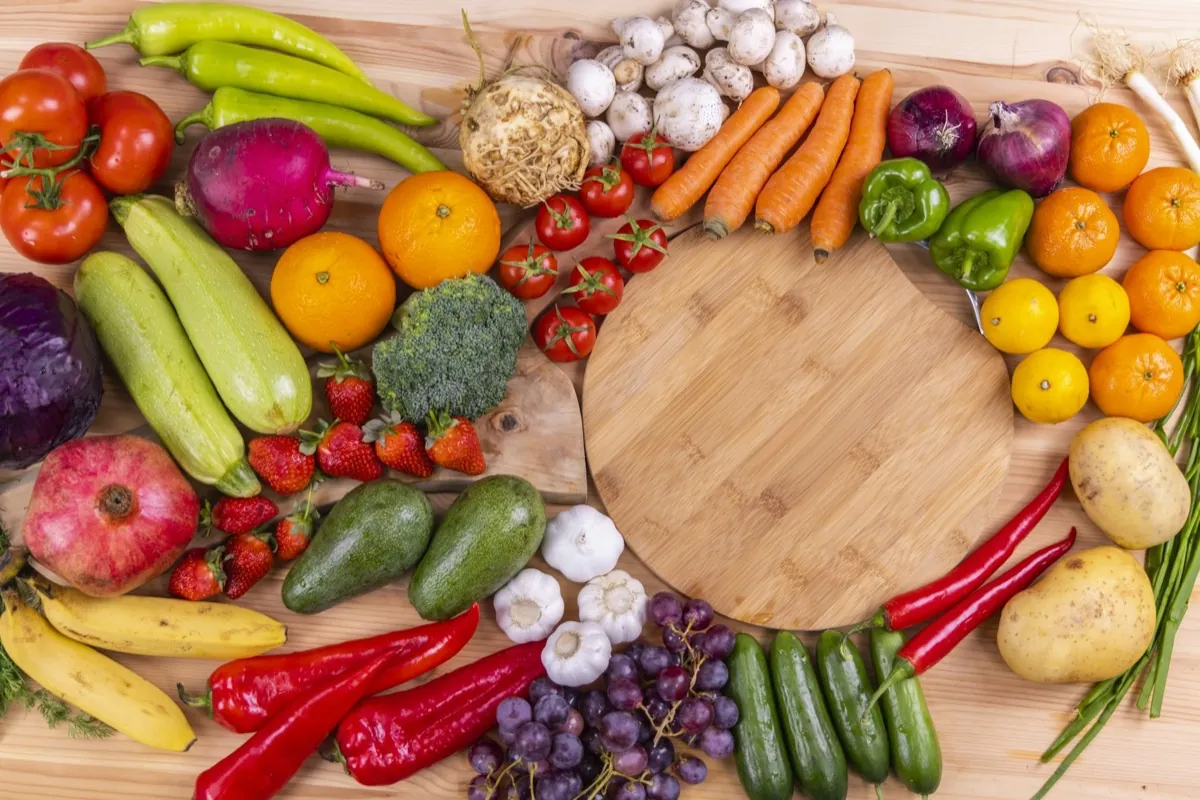
Among everyday fruit, kiwi, with about 93 mg per 100 g, beats orange, which has about 53 mg. Guava beats both by a wide margin, with about 228 mg per 100 g. Among vegetables, raw red pepper, with about 128 mg, outdoes almost every fruit.
Oranges, mandarins, lemons and grapefruit are the best-known sources, and red peppers have more than they do. Strawberries, papaya, melon and broccoli round out a list that is easy to spread across meals. There is no exact figure for a glass of juice: it depends on the oranges and on how long it has been stored.
How and when to take vitamin C
When is the best time to take vitamin C?
Any time of day works. With food it is better tolerated if your stomach is sensitive. If you eat pulses or other plant-based sources of iron, taking it at the same meal improves iron absorption. You do not need to fit it around your training schedule.
How long should you take vitamin C for?
For as long as the reason lasts. If your diet already gives you enough, you do not need a continuous supplement. It is usually used for specific periods, such as times of heavy effort or little fruit and vegetables. If you plan to take high doses for months, talk to your doctor or pharmacist first.
What should not be mixed with vitamin C?
Avoid uncontrolled mega-doses. Check with your doctor if you take anticoagulants or are having cancer treatment, and if you take iron, because vitamin C increases its absorption. With kidney stones, avoid high-dose supplements. Foods containing vitamin C cause problems with almost nothing.
Our vitamin C 500 mg contains 500 mg of L-ascorbic acid per tablet (625% of the reference intake), with microcrystalline cellulose and calcium phosphate. You take one a day, in the morning on an empty stomach or with food. It is gluten free and suitable for vegetarians. The collagen with magnesium and vitamin C provides 60 mg of vitamin C in its 3 daily tablets (75%). The whole range is under vitamins and minerals.
Precautions
High doses can cause digestive upset, such as diarrhoea and wind, and 500 mg a day is well below the level considered problematic for healthy adults. Even so, a supplement does not replace your diet.
Who should not take vitamin C supplements?
Anyone who has had oxalate kidney stones, or who has haemochromatosis, an excess of iron, should not take it as a supplement without medical advice. Some vitamin C is converted into oxalate, and it also increases iron absorption. The IOM upper limit for adults is 2 g a day.
Does vitamin C make you fat?
No. Vitamin C has no calories and does not make you gain weight. If a chewable or effervescent supplement contains sugars, that part does add up. It has not been shown to help with slimming either, so do not take it with that in mind.
