












Shopping Cart
There are no more items in your cart
Magnesium and collagen work best as a team: magnesium supports muscles, energy and bone density, while collagen keeps joints, tendons and skin resilient. You don't need supplements alone to get them — seeds, nuts, leafy greens, oily fish, lean meat and bone broth cover most of what you need. Vitamin C from citrus and berries is essential too, since your body needs it to actually produce collagen. Below you'll find the top food sources for both nutrients, a quick-reference table, and simple meal ideas to combine them every day.
Reading time: about 9 minutes
The Key Synergy: Why Combine Magnesium and Collagen in Your Diet
You've probably heard of magnesium and collagen separately. They're two of the standout nutrients when it comes to looking after your muscles and joints, and to simply feeling energized. But did you know that together they form an unbeatable team? This guide goes straight to the point: why this combination works so well, and more importantly, how you can fit it into your day through simple, everyday foods. No technical jargon and no complicated diets — just clear, practical information to support your performance and wellbeing.
Why should you combine magnesium and collagen in your diet?
Magnesium and collagen work as a team: magnesium keeps your muscles, nerves, and energy metabolism running smoothly, while collagen gives structure and elasticity to your joints, tendons, and skin. Getting both from your daily food, rather than relying on just one, covers more of what an active body needs to move, recover, and stay resilient over time.
Magnesium Benefits for Muscles, Bones and Energy
Magnesium isn't optional if you lead an active life. It's an essential mineral involved directly in your performance and recovery. Here's a clear look at its main roles.
Muscle function: it helps your muscles contract and relax properly, which is key for preventing cramps and supporting a better muscular response during exercise.
Does magnesium help prevent muscle cramps?
Yes, magnesium plays a direct role in how your muscles contract and relax, which is why low levels are often linked to cramps and a slower recovery after exercise. Keeping your magnesium intake steady through food is one of the simplest ways to support normal muscle response during training.
Reduced tiredness: feeling fatigued often? Magnesium contributes to normal energy metabolism, helping you fight off tiredness and fatigue.
Bone health: it works together with calcium and vitamin D to keep your bones strong and dense. Healthy bones are the foundation for any athlete.
How does magnesium support bone health?
Magnesium works alongside calcium and vitamin D to help keep bones strong and dense over time. Since strong bones are the foundation for any kind of physical activity, athletes and active people in particular benefit from making sure magnesium is part of their regular diet.
Nervous system balance: it helps regulate neurotransmitters, which translates into better stress management and more restorative rest.
Collagen Benefits to Slow Skin and Joint Aging
Protected joints: collagen gives cartilage resistance and flexibility, helping to cushion the impact of movement and prevent joint wear.
How does collagen help protect your joints?
Collagen gives cartilage its resistance and flexibility, helping to cushion the impact of movement and reduce wear on the joints over time. It also strengthens tendons and ligaments, which lowers the risk of injury during exercise and everyday activity.
Firmer, more elastic skin: collagen is responsible for skin firmness. Good collagen levels help prevent the appearance of wrinkles and sagging.
Strong tendons and ligaments: it gives these tissues the resistance they need to handle the strain of exercise, reducing the risk of injury. To ensure an adequate, easily absorbed intake, many people choose a specific supplement. A hydrolyzed collagen with magnesium is a good option that covers the full package in one go.
The Top Foods Rich in Magnesium You Should Know
Seeds and Nuts: The Highest Magnesium Concentration
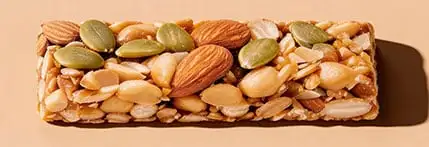
These are the undisputed champions. A small handful a day can make a real difference. Pumpkin and chia seeds are true nutritional powerhouses — add them to yogurt, salads, or smoothies. Almonds and cashews are perfect as a healthy snack between meals, giving you an extra dose of magnesium along with an energy boost.
What food has the highest concentration of magnesium?
Seeds and nuts are the clear winners when it comes to magnesium content. Pumpkin seeds and chia seeds are especially rich, and a small handful added to yogurt, salads, or smoothies can make a real difference. Almonds and cashews are also excellent, easy to carry as a snack between meals.
Is Avocado or Banana the Best Fruit for Magnesium?
Although they aren't the foods with the very highest concentration, their popularity and versatility make avocado and banana two fantastic allies. Avocado also brings healthy fats and fiber, and is great on toast, in salads, or in smoothies. Banana is known for its potassium, but it's also a good source of magnesium and the perfect fruit to eat before or after training.
Which fruit has the most magnesium?
Avocado and banana are not the fruits with the very highest magnesium content, but their popularity and versatility make them two of the easiest ways to get more of this mineral. Avocado also brings healthy fats and fiber, while banana is a practical option to eat before or after training thanks to its magnesium and potassium content.
Leafy Green Vegetables
That old advice from your mother or grandmother had a scientific basis: green means health. Dark leafy greens are rich in magnesium because this mineral is a core component of chlorophyll. Spinach and chard lead the pack, and you can eat them in salads, stir-fries, soups, or green smoothies.
Legumes and Whole Grains
They're the base of a diet that's powerful, affordable, and healthy.
- Lentils, chickpeas, and black beans: versatile, rich in plant protein, fiber, and of course, magnesium.
- Oats, quinoa, and brown rice: make sure they're whole grain, since refining removes much of the magnesium.
Oily Fish
They're not just famous for omega-3. Fish like salmon, mackerel, or tuna also provide a good dose of magnesium, supporting both cardiovascular and muscular health.
Dark Chocolate
Yes, you read that right. Dark chocolate (over 70% cocoa) is a delicious source of magnesium and antioxidants. A square after a meal is a healthy treat your body will thank you for.
Magnesium-Rich Foods at a Glance
So you can plan without excuses, here's a quick reference with the approximate magnesium content of each food.
| Food | Magnesium (mg per 100 g, approx.) |
|---|---|
| Pumpkin seeds | ~590 mg |
| Almonds | ~270 mg |
| Dark chocolate (+70%) | ~230 mg |
| Spinach | ~80 mg |
| Lentils (cooked) | ~36 mg |
| Avocado | ~30 mg |
| Salmon | ~27 mg |
| Banana | ~27 mg |
Foods That Naturally Boost Collagen Production
It's worth making a distinction here: eating foods that contain collagen directly is one thing, and giving your body the tools to produce its own is another. Both strategies matter, and they complement each other.
What Food Contains the Most Collagen? The Power of Bone Broth
Grandma's secret is back in fashion, and for good reason. Bone broth, made by slowly simmering chicken, beef, or fish bones for hours, is the richest natural source of bioavailable collagen. As it cooks, collagen and minerals from the bones pass into the broth, creating an incredibly nutritious drink.
What food contains the most collagen?
Bone broth is the richest natural source of bioavailable collagen. Simmering chicken, beef, or fish bones for several hours releases collagen and minerals directly into the liquid, turning it into a highly nutritious drink that is easy for the body to use.
Lean Meat and Fish: Direct Sources of Collagen
Collagen is found in the connective tissue of animals, which is why meat and fish are direct sources.
- Chicken, turkey, beef: especially in the more gelatinous cuts and in the skin.
- Fish: the skin and bones are very rich in collagen, which is why eating fish like sardines or salmon with the skin on is a great idea.
Egg Yolk and Gelatin
- Egg: while not a major source of collagen itself, the yolk contains the amino acids, such as glycine and proline, that your body needs to build its own collagen.
- Gelatin: it's essentially cooked collagen. Choose plain, unsweetened gelatin for desserts or to enrich other dishes.
Does Fruit Contain Collagen? The Role of Vitamin C
Here's a small catch: no fruit contains collagen directly, since it's an animal protein. However, some fruits are essential for your body to produce it. The key is vitamin C, an essential cofactor in collagen synthesis — without it, the process simply doesn't happen.
Does vitamin C help your body produce collagen?
Yes, vitamin C is an essential cofactor in collagen synthesis, which means your body cannot produce collagen properly without it. No fruit contains collagen directly, since it is an animal protein, but citrus fruits and berries supply the vitamin C your body needs to build its own collagen and protect existing collagen from damage caused by free radicals.
Citrus Fruits: Oranges and Lemons
These are the best-known source of vitamin C. A glass of orange juice in the morning, or a squeeze of lemon over your meals, is a simple way to get your dose.
Berries: Strawberries and Blueberries
Beyond vitamin C, berries are packed with antioxidants that protect existing collagen from free radical damage. They're a two-for-one for your skin and joints.
How to Get Magnesium and Collagen Naturally Every Day
Fitting these nutrients into your routine is easier than it sounds. You don't need to be a professional chef — you just need to combine the right foods wisely.
Meal Ideas That Combine Both Nutrients
Here are a few simple ideas to bring the best of both worlds together on one plate:
- Power breakfast: a bowl of oats with sliced banana, a handful of almonds, and chia seeds.
- Complete lunch: a spinach salad with grilled salmon cubes, avocado, and a lemon dressing.
- Restorative dinner: a lentil stew made with homemade bone broth, served with brown rice.
- Smart snack: plain yogurt with strawberries and a couple of squares of dark chocolate.
Not Just Magnesium: Foods With Magnesium and Vitamin D for Better Absorption
To get the most out of your diet, think in nutrient pairs. Magnesium and vitamin D have a close relationship, especially for bone health. Vitamin D helps absorb calcium, and magnesium helps activate vitamin D. You can get vitamin D from moderate sun exposure and from foods like oily fish or eggs.
How can magnesium and vitamin D work together for better absorption?
Vitamin D helps your body absorb calcium, and magnesium helps activate vitamin D, so the two nutrients support each other, especially for bone health. You can get vitamin D from moderate sun exposure and foods like oily fish and eggs, while pairing these with magnesium rich foods helps both nutrients do their job more effectively.
Boosting the Effect: Combining Foods Rich in Zinc and Calcium
Zinc is another mineral that acts as a "helper" in protein synthesis, including collagen. Foods like red meat, shellfish, legumes, and pumpkin seeds are rich in zinc. Combining these foods makes sure your body has all the tools it needs. For those looking for an extra boost, zinc and magnesium supplements are a popular choice among athletes aiming to support recovery.
Can You Make Natural Collagen at Home?
Of course — we've already given you the hint: bone broth. It's simple to make, though it takes time. You just need good quality bones (chicken, beef), a splash of apple cider vinegar, which helps draw out the minerals, and water. Simmer everything over very low heat for at least 8 to 12 hours. The result is a gelatinous, nutrient-packed broth you can drink on its own or use as a base for soups and stews.
Can you make natural collagen at home?
Yes, homemade bone broth is a simple way to do it, although it does take time. Simmer good quality bones with a splash of apple cider vinegar, which helps draw out the minerals, in water for at least 8 to 12 hours. The result is a gelatinous, nutrient rich broth you can drink on its own or use as a base for soups and stews.
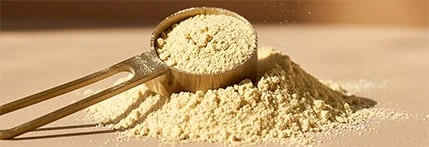
If you're after practicality and a precise daily dose, hydrolyzed collagen supplements remain the most direct and convenient option — the Collagen + Magnesium + Vitamin C tablets and the Marine Collagen powder both fit into an easy daily routine, and the vitamin C in them contributes to normal collagen formation for the normal function of bones, cartilage and skin.
Remember: if you have any doubts about your particular case, speak to a healthcare professional. Food supplements are not a substitute for a varied and balanced diet.
