










Shopping Cart
There are no more items in your cart
Around 70% of the human body is water, so keeping it topped up matters for everyone, and it's one of the basic pillars of performance and injury prevention for athletes. Plain water is enough for most everyday training, while isotonic drinks earn their place mainly in longer or more demanding sessions, roughly from 70 to 90 minutes onwards. For everything in between, flavouring your water is a simple way to keep drinking enjoyable without added sugar.
Why Proper Hydration Matters
You've probably heard that the human body is made up of more than 70% water. If that rings a bell, this one's worth reading: the human body can survive weeks without food, but not more than a few days without water. That alone says a lot about why fluid intake deserves attention, and for athletes in particular, it's one of the basic pillars for supporting performance and helping prevent injuries.
- Supports regular digestion and helps prevent constipation.
- Helps your body absorb nutrients from food more efficiently.
- Contributes to skin's natural elasticity as part of a balanced diet.
- Helps keep joints lubricated, reducing the load they're under during training.
How much water should I drink as an athlete?
There's no single number that fits everyone, but staying properly hydrated before, during and after training is one of the basic pillars for supporting performance and helping prevent injuries.
What happens if I don't drink enough water during exercise?
The human body can go weeks without food but is not built to handle more than a few days without water, which shows just how central fluid intake is to keeping everything working properly, training included.
Can dehydration affect athletic performance?
Yes, inadequate fluid intake is generally associated with a drop in performance and a higher risk of injury, since hydration plays a role in digestion, joint lubrication and overall recovery.
Water or Isotonic Drink? How to Hydrate the Right Way
Isotonic drinks are the go-to hydration product for cycling, running and similar sports, but that doesn't mean you always need one. For shorter or lower-intensity sessions, water alone is often enough.
How much of these products you actually need depends on several factors: weather and humidity, how long and how intense your training is, the distance covered, and your own individual needs as an athlete. As a general guideline, isotonic drinks start to make sense from around 70 to 90 minutes of training onwards.
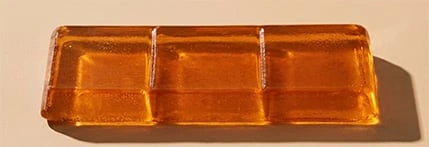
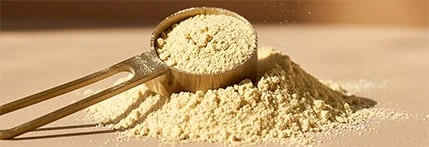
When you do reach for one, it's best taken during the session itself, in small sips, to avoid any discomfort. JustLoading's powdered isotonic drink is enriched with vitamins and works well for this, and if you prefer something you can carry on the move, the isotonic gel with seawater is a practical alternative during longer sessions.
When should I choose an isotonic drink instead of water?
Isotonic drinks are usually the go-to choice for cycling, running and similar endurance sports, but plain water is often enough for shorter or lower-intensity sessions.
Are isotonic drinks only for professional athletes?
No, whether you need one depends on factors like weather and humidity, the duration and intensity of your training, the distance covered and your own individual needs, not your level as an athlete.
How should I drink an isotonic drink during exercise?
As a general guideline, isotonic drinks make the most sense from around 70 to 90 minutes of training onwards, taken in small sips during the session to avoid discomfort.
Other Ways to Stay Hydrated
If you're not a regular athlete, or you do strength-based sports in temperatures that aren't too extreme, you probably don't need the added carbohydrates and electrolytes found in isotonic drinks.
In that case, if you'd rather skip the sugar in traditional soft drinks but still want some variety in what you drink, flavouring your water with JustLoading's Instant Drink range is a simple option worth trying. You'll find more tips like this across our work-out blog section.
Do I need electrolytes if I'm not a regular athlete?
Not necessarily. If you don't train regularly, or you do strength-based sports in mild temperatures, you'll usually be fine without the added carbohydrates and electrolytes found in isotonic drinks.
What are Instant Drink flavourings?
Instant Drink flavourings are a way to add taste to plain water without the added sugar of traditional soft drinks, useful for anyone who simply wants more variety in what they drink.
Can flavoured water replace sugary soft drinks?
For people looking to cut back on traditional soft drinks, flavouring plain water is a straightforward way to keep drinking enjoyable without the sugar that usually comes with it.
Did you find this useful? Keep browsing our Sports Nutrition Blog to stay in the loop, and don't forget to follow us on social media for more hydration and training tips.
Remember: if you have any doubts about your particular case, speak to a healthcare professional. Food supplements are not a substitute for a varied and balanced diet.
