











Shopping Cart
There are no more items in your cart
TL;DR: have breakfast 60 to 120 minutes before training, combining complex carbs (oats, whole-grain bread) with lean protein (eggs, yogurt, whey). If you only have 30 minutes, grab a banana, dates or an energy bar. Skip heavy fats and high-fiber foods before the session, and drink at least 500 ml of water in the two hours leading up to your workout.
The way you start your day can make a huge difference in your training. Skipping breakfast or picking the wrong foods can leave you feeling drained, tired and unable to push yourself. But with the right nutrient mix, breakfast becomes the fuel you need to go past your limits and hit your goals. In this complete guide, we break down exactly what to eat for breakfast before a workout so every session counts.
Why is breakfast crucial before hitting the gym?
Think of your body as a high-performance car. Would you try to start a race with an empty tank? Of course not. Breakfast is the first fuel load of the day, and it's essential to refill the energy stores your body used up overnight while you slept and recovered. A well-planned breakfast not only gives you the strength to get going but also protects your muscles and primes your mind for the effort ahead.
The energy you need: the role of carbohydrates
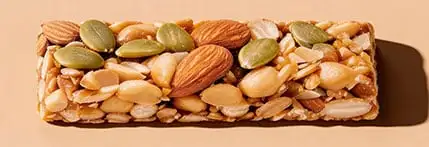
Carbohydrates are your body's preferred energy source, especially for high-intensity activity. When you eat them, they are stored in your muscles and liver as glycogen. Think of glycogen as your body's battery: when you train, your muscles draw from it to contract and produce force. If you start with low reserves, you'll run out of energy much sooner. That's why including quality carbs like oats, whole-grain bread or fruit is key to ensure optimal performance. For a controlled energy boost, a date and coconut energy bar can be a perfect option.
Protecting your muscles: the role of protein
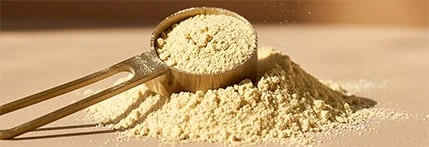
When you train, especially with weights, your muscle fibers suffer tiny tears. This is a normal and necessary process so muscles can come back stronger. However, if you don't have enough amino acids (the building blocks of protein) available, your body may start breaking down existing muscle tissue for energy. Having protein at breakfast helps prevent this "muscle cannibalism" and creates the perfect environment for repair and growth. A chocolate whey protein shake or a couple of eggs are excellent sources to start the day.
Healthy fats: when and how to include them
Healthy fats, like those found in avocado, nuts or seeds, are essential for overall health and serve as a long-lasting energy source. However, they take longer to digest. That's why it's best to include them if you're eating well in advance (1.5-2 hours before training). A small amount, like a tablespoon of peanut butter on your toast, can deliver sustained energy without weighing you down.
Perfect timing: when should you eat before training?
Just as important as the what is the when. The time gap between your breakfast and your workout directly affects digestion and energy availability. The key is listening to your body, but here are some general guidelines to get you started.
| Time before workout | Recommended breakfast | Key macros | Ideal for |
|---|---|---|---|
| 2 h before | Oat porridge + egg + banana | Complex carbs + protein + healthy fats | Strength / hypertrophy |
| 1 h before | Greek yogurt + granola + fruit | Protein + medium carbs | HIIT / CrossFit |
| 30 min before | Banana, dates or GummyPower | Fast-absorbing carbs | Short cardio / explosive efforts |
| Fasted | Water + BCAAs | Branched-chain amino acids | Light cardio / yoga |
1-2 hours before: full meal ideas
This is the ideal scenario because it gives you enough time to digest a balanced meal combining complex carbs, protein and a small amount of healthy fats. This guarantees a steady release of energy throughout your session.
- Oat porridge: with milk or a plant-based drink, fresh fruit and a handful of almonds.
- Whole-grain toast: with avocado, scrambled egg and a little turkey.
- Greek yogurt: with homemade granola, berries and chia seeds.
What to eat 30 minutes before training: fast and easy-to-digest options
If you're short on time, you need something that gives you a quick energy hit without overloading your stomach. The priority here is easy-to-digest carbs. Avoid fats, fiber and excess protein, which can slow digestion and cause discomfort.
- A banana: the king of quick, natural energy.
- A handful of dates: concentrated natural sugars for an instant boost.
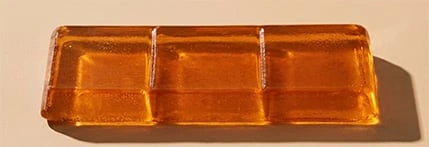
- A gummy energy bar: designed for ultra-fast absorption, a GummyPower delivers energy right when you need it.
What if you train fasted? Important considerations
Training fasted is a personal choice, but it's not for everyone or every type of workout. It can be suitable for low-intensity or short-duration exercise, like a walk or light yoga. However, for strength training, HIIT or long endurance sessions, the lack of available glycogen can limit your performance, reduce your strength and increase the risk of muscle breakdown. If you choose to train fasted, consider taking BCAAs (branched-chain amino acids) before starting to help protect your muscle mass.
What's the best pre-workout breakfast based on your goal?
Your ideal breakfast also depends on what you want to achieve in the gym. Gaining muscle is not the same as losing weight.
What to eat for breakfast before training to build muscle
To build muscle, you need two things: a proper stimulus in the gym and a calorie surplus with enough protein. Your breakfast should be substantial. Make sure to include a solid dose of carbs for energy during heavy lifts and a generous amount of protein to kickstart protein synthesis. Oat pancakes with a ready-to-drink protein shake is a winning combination.
What to eat for breakfast before training to lose weight
Many people believe you have to skip breakfast to lose weight, but that's a mistake. A smart breakfast helps you train harder, burning more calories. The key is quality over quantity. Go for a breakfast rich in protein and fiber to stay full, along with complex carbs for energy. Scrambled egg whites with spinach and a slice of whole-grain toast is a perfect example. To go deeper, read our guide on how to lose weight without losing muscle mass.
Breakfasts for strength and weightlifting workouts
For heavy lifts, you need your glycogen stores filled to the brim. A breakfast rich in complex carbs (oats, whole-grain bread, sweet potato) about 2 hours before is essential. Combine it with protein for muscle protection. This is also a good time to make sure your creatine levels are optimized, since it's a key supplement to improve strength and power.
10 breakfast ideas to power your morning workout
Need inspiration? Here are concrete, delicious ideas so you never run out of energy in the morning.
Oat-based breakfasts: slow-release energy
Oats are the queen of athlete breakfasts thanks to their low glycemic index, which provides sustained energy.
Oat porridge with fruit and nuts
Cook rolled oats with milk or water. Serve them with sliced banana, a handful of blueberries and a touch of almond butter for extra flavor and healthy fats.
Oat and banana pancakes
Mash a ripe banana, an egg and 40 g of oats. Cook the mixture in a non-stick pan and you'll have delicious, energizing pancakes. Check out our oat pancake recipe for more details.
Egg-based options: high-quality protein
Eggs are an incredible source of complete protein, meaning they contain all the essential amino acids your body needs.
Whole-grain toast with avocado and poached egg
A classic combination that never fails. It provides complex carbs, healthy fats and high-quality protein.
Scrambled egg whites with spinach and turkey
A lighter, high-protein option. Sauté some spinach, add a few pieces of chopped turkey and cook with 3-4 egg whites.
Shakes and smoothies: the fastest solution
Perfect for busy days, shakes are easy to digest and let you combine many nutrients in a single glass.
Protein, banana and peanut butter shake
Blend one scoop of vanilla whey protein, a frozen banana, a tablespoon of peanut butter and milk or water. You'll have a complete breakfast in minutes.
Green smoothie with spinach, apple and ginger
For a fresher, vitamin-packed option, blend a handful of spinach, half a green apple, a small piece of ginger and water or coconut water. You can add a scoop of collagen powder for extra benefits to your joints.
Adapt your breakfast to your sport
Not all workouts are the same. A marathon runner doesn't need the same as someone doing CrossFit.
What to eat for breakfast before CrossFit or HIIT
These workouts are explosive and high-intensity. You need fast-acting carbs without feeling heavy. A light breakfast 60-90 minutes before, like yogurt with fruit, or a quicker option 30 minutes before, like an energy gel with caffeine, is ideal.
Specific nutrition for leg day
Leg day is metabolically very demanding. It requires large amounts of energy. Don't skimp on complex carbs. A big bowl of oats or toast with banana and honey will give you the fuel you need to make it to the last squat. Check our guide on what to eat before and after training to also optimize recovery.
The ideal breakfast before playing football or cycling
For endurance sports, the key is sustained energy. Slow-release carbs are your best ally to avoid the dreaded "bonk". Oat porridge, whole-grain pasta or rye bread are excellent options. Hydration is also crucial, so start drinking water early in the morning and consider bringing an isotonic drink if the activity is going to be long or intense.
Common pre-workout breakfast mistakes to avoid
Sometimes even the best intentions can backfire. Avoid these mistakes to make sure your breakfast helps you, not hurts you.
Foods that can sabotage your performance
Avoid very high-fat foods (fried food, pastries) since they slow digestion and can make you feel heavy. Also be careful with excess fiber (large amounts of legumes or raw vegetables), which can cause bloating or gas. And, of course, avoid highly processed or sugary foods, which will give you an energy spike followed by a quick crash.
The problem of eating too much (or too little)
Eating too much can divert blood away from your muscles to your stomach for digestion, causing cramps and lethargy. On the other hand, eating too little will leave you without fuel halfway through the session. The key is finding your sweet spot: feeling satisfied but light.
Hydration: the forgotten pillar of your pre-workout breakfast
You can have the perfect breakfast, but if you're dehydrated your performance will tank. Hydration starts long before you step into the gym.
How much water should you drink?
Start hydrating as soon as you wake up. A good target is to drink about 500 ml of water in the two hours leading up to your workout. This ensures your muscle cells are well hydrated and ready for action. To go deeper, read our tips on how to hydrate correctly.
Coffee as a stimulant: when and how to take it
Coffee can be a great ally. Caffeine has been shown to improve performance, focus and reduce the perception of effort. The ideal time to drink it is about 30-60 minutes before training. Take it black or with a splash of milk so it doesn't disrupt digestion. If you don't like coffee, energy gummies with caffeine and guarana can give you that extra boost in a fast, convenient way.
Frequently asked questions about pre-workout breakfast
How long before a workout should I have breakfast?
The ideal window is between 60 and 120 minutes before training. This gives you enough time to digest a balanced meal of complex carbs and protein without feeling heavy. If you only have 30 minutes, stick to quick options like a banana or a few dates.
What happens if I train fasted in the morning?
Fasted training is fine for low-intensity sessions such as walking or gentle yoga. For strength work, HIIT or long endurance sessions, low glycogen can cap your performance and encourage muscle breakdown. Taking BCAAs beforehand helps protect lean mass if you choose to train this way.
Is a banana enough as a pre-workout breakfast?
A banana is a great option 20-30 minutes before training thanks to its natural glucose and potassium content. For sessions longer than 45 minutes or strength work, pair it with a protein source (half a scoop of whey, Greek yogurt or an egg) to sustain energy and protect your muscles.
Can I have just coffee before training?
Coffee works well as a pre-workout stimulant: caffeine sharpens focus and lowers perceived effort. It does not replace breakfast: without available carbs, performance drops within the first 20-30 minutes. Pair it with a banana or a slice of toast to see real results.
How much protein should a pre-workout breakfast contain?
A balanced pre-workout breakfast should deliver between 20 and 30 grams of protein. That is enough to trigger muscle protein synthesis and protect lean mass during training. Easy sources: 2-3 eggs, 150 g of Greek yogurt, or a shake with one scoop of whey.
What should I eat for breakfast to build muscle?
To build muscle, go for a substantial breakfast with 40-60 g of complex carbs (oats, whole-grain bread) and 25-30 g of protein. A complete example: oat and banana pancakes with a chocolate whey shake. Train 90-120 minutes after eating to make the most of your glycogen stores.
What should I eat for breakfast to lose weight?
Skipping breakfast does not accelerate fat loss: a high-protein, high-fiber breakfast lets you train harder and stay full for hours. A solid option is scrambled egg whites (3) with spinach and a slice of whole-grain toast with avocado. It delivers under 400 kcal and keeps blood sugar steady.
What should I eat for breakfast before a morning run?
For a morning run, pick medium-fast absorbing carbs 45-60 minutes beforehand: a banana with peanut butter, toast with honey or a small bowl of oats. Skip heavy fats and large amounts of fiber because they slow digestion and can cause discomfort while running.
Does eating breakfast before a workout make you gain weight?
A pre-workout breakfast will not make you gain weight as long as your daily calorie intake matches your goal. In fact, eating before training helps you perform better, burn more calories during the session and avoid binge eating later. Quality and portion size matter more than the timing itself.
What is the 3-3-3 rule for training?
The 3-3-3 rule is not a universally accepted scientific principle. Instead of following rigid rules, it is more effective to listen to your body and follow the general guidelines: a full meal 2-3 hours before, or a light snack 30-60 minutes before. Personalization is always the best strategy.
