








Shopping Cart
There are no more items in your cart
There is no magic food that melts fat or builds muscle on its own, but matching what you eat to your actual goal makes a real difference. Whether you are aiming to lose fat, gain muscle or improve performance, the right combination of foods, plus the discipline you practice, hydration and the occasional supplement, all play a part. Here is how to put it together.
There is no food that works magic on its own. No single ingredient will melt away fat just because you eat it, but the right combinations of foods can absolutely move you toward your goal, whatever it is.
Food According to Your Goals
Once you know what you are working toward, fat loss, muscle gain or better performance, you can start choosing foods that actually support it instead of guessing.
| Goal | Type of food | Examples |
|---|---|---|
| Lose fat | Lower energy-density foods | Oats, legumes, potatoes, quinoa, fruit, vegetables, white fish and lean meats |
| Gain muscle mass | High energy and nutrient density, to eat more than you burn | Pasta, oats, beef, nuts, rice, eggs |
| Improve sports performance | Carbohydrate-rich foods for steady energy, low in fat | Fruit, dates, rice, pasta, nuts and vegetables |
What foods help you lose body fat?
There is no single food that burns fat by itself, but choosing lower energy-density foods such as oats, legumes, potatoes, quinoa, fruit, vegetables, white fish and lean meats makes it easier to stay within your calorie target while still feeling full.
What should you eat to gain muscle mass?
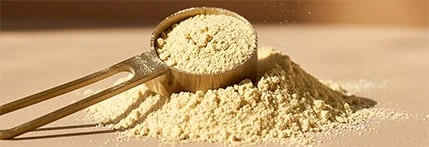
Building muscle usually means eating more energy and nutrient-dense foods than you burn, including pasta, oats, beef, nuts, rice and eggs, so your body has enough fuel and protein to support training and recovery. If your diet already covers the basics, adding a quality protein powder to your routine can help you close the gap between what you eat and what your training demands.
What foods improve sports performance?
For performance, carbohydrate-rich foods such as fruit, dates, rice, pasta, nuts and vegetables help keep your energy levels steady during training while keeping fat intake low.
One Goal, Many Foods
Is that enough on its own? Not really. Defining foods by goal alone falls short, because the discipline you practice also shapes what your body needs.
| Discipline | Type of food | Examples |
|---|---|---|
| Aerobic and endurance exercise | Fast-absorbing carbohydrates | Fruit, honey and nuts (healthy fats) |
| Aerobic exercise | Low glycemic-index carbohydrates with high-quality protein | Oats, rice, quinoa, fish, seafood or eggs |
What should you eat before endurance training?
Before aerobic and endurance sessions, fast-absorbing carbohydrates like fruit and honey, together with healthy fats from nuts, give you accessible energy without weighing down your stomach.
What foods work best for aerobic exercise?
For general aerobic exercise, combining low glycemic-index carbohydrates with high-quality protein, such as oats, rice, quinoa, fish, seafood or eggs, supports steady energy and helps with recovery afterward.
Hydration Matters as Much as Food
Whatever discipline you practice, one thing you cannot skip is proper hydration. Losing too many minerals through sweat without replacing them can hold back both your results and your general health. If you want the full picture, our guide on how to hydrate correctly walks through it in more detail.
Why is hydration important for reaching your goals?
No matter which discipline you practice, proper hydration helps you avoid losing minerals that your body needs, and skipping it can hold back both your results and your general health.
How much water should you drink during exercise?
Water needs vary by person, session length and climate, so instead of a fixed number, pay attention to thirst, urine color and how you feel, and read our full hydration guide for a more detailed approach.
Supplements Can Give You an Extra Push
You already know which foods support your goals, but at JustLoading we also offer supplements that can give you a little extra help once your diet is on track.
Do I need supplements to reach my goals?
Supplements are not mandatory, but they can offer extra support once your diet is already covering your basic needs, filling small gaps that are harder to close through food alone.
What does L-carnitine do?
L-carnitine helps transport fatty acids into your cells so they can be used for energy, which is why some people take it as part of a broader training and nutrition plan rather than as a stand-alone fix. You can read more in our guide to L-carnitine, what it's used for and how to take it.
And if you want to stay on top of new content and product launches, follow us on our social channels.
Remember: if you have any doubts about your particular case, speak to a healthcare professional. Food supplements are not a substitute for a varied and balanced diet.
