











Shopping Cart
There are no more items in your cart
TL;DR: At La Desértica, the 2016 ACSM guideline sets 30-60 g of carbohydrate per hour up to 2.5 hours, and up to 90 g/h in longer efforts with a trained gut. In the heat, aim for 400-800 ml/h of fluid and 300-600 mg/h of sodium. Eat breakfast 3-4 hours before the start, take something every 20-30 minutes and try nothing new on race day.
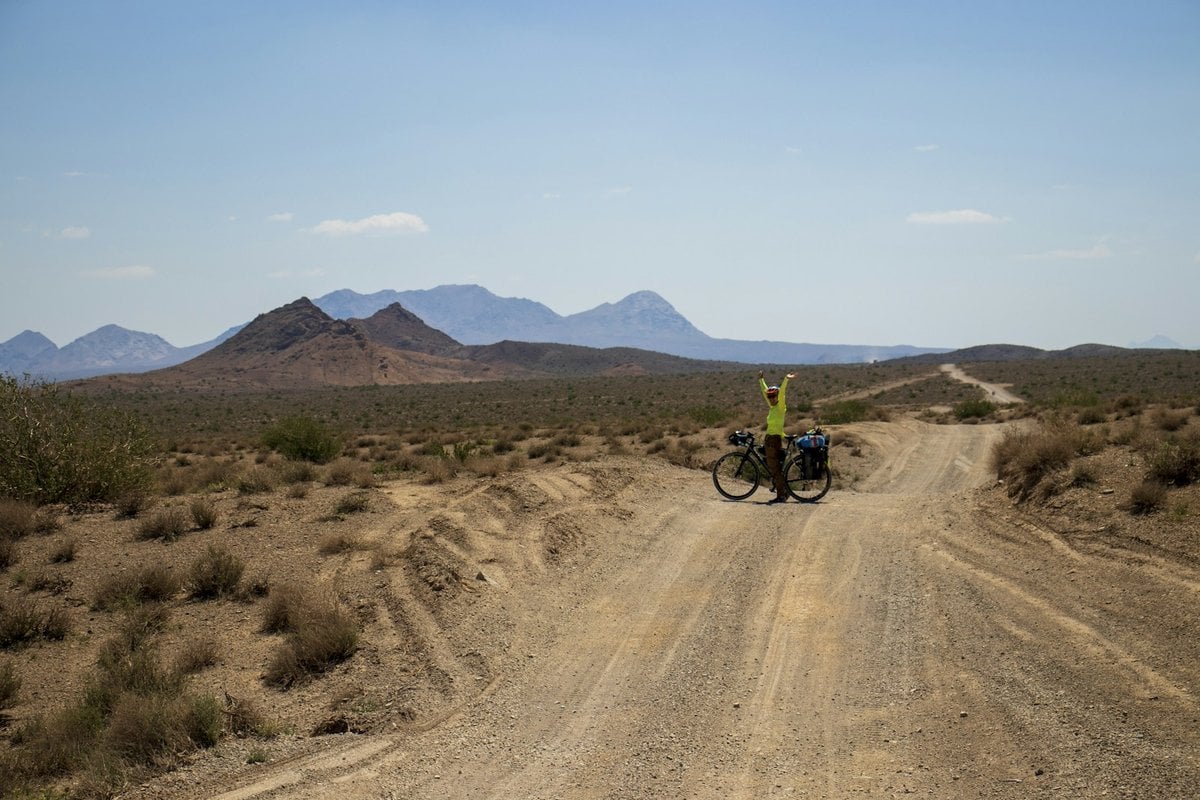
La Desértica takes place in October in Almería, and in 2025 it brought together around 7,000 people. The route crosses the desert to Roquetas de Mar, and the usual distances are about 110 km on MTB, about 120 km on e-bike or gravel, 71 km on foot (individual and teams) and about 15 km in inclusive mountaineering. That means many hours of sun and dust with aid stations far apart, and halfway through the stomach is the first thing to shut down. This guide gathers figures from sports nutrition guidelines, a stage-by-stage plan and what you can carry in your pocket.
What La Desértica asks of your nutrition
On a mountain bike the pace is higher and you burn more grams of carbohydrate per hour, but eating at 25 km/h on tracks and sand takes some technique. On foot the hourly burn is lower and solid food goes down more easily, though you spend more hours outdoors and the heat builds up. In both cases the same things happen: the sun dries your mouth, dust takes away the urge to chew and the aid stations are far away. What you do not carry, you will not have when you need it.
How much carbohydrate, fluid and sodium per hour
The guidelines give ranges, not exact figures. Your weight, your pace and how much you sweat move you around inside each range.
How many carbohydrates should you take per hour in a long event?
According to the ACSM guideline (2016), efforts of 1 to 2.5 hours call for 30-60 g of carbohydrate per hour. Beyond 2.5 hours the range goes up to 90 g/h, as long as your gut is trained and you combine glucose and fructose, which are absorbed through different routes.
The ISSN agrees on the order of magnitude. In practice, start at 40-60 g/h and add 10 g in each long training session while your stomach copes. Reaching high numbers means mixing sources: drink, gel and gummy at once, not gels alone.
How much water should you drink per hour in the heat?
The ACSM (2007 position stand on fluid replacement) points to 400-800 ml per hour in long efforts in the heat, depending on how much you sweat. Weigh yourself before and after a long training session: if you lose more than 2 % of body weight you are drinking too little, and if you gain weight, too much.
Drink in sips every 10-15 minutes rather than half a bottle in one go. Drinking more than you sweat is a common mistake: it dilutes the sodium in your blood and brings nausea and bloating. If you are unsure about the difference between isotonic, hypotonic and hypertonic drinks, this post explains it.
Do you need to take sodium during La Desértica?
With heat and many hours of sweating, replacing sodium makes sense: a common practical reference in sports nutrition is about 300-600 mg per hour, split between your drink and any products that contain it. It varies a lot with each person's sweat, and a long summer training session shows you where you sit.
This is where isotonic drink comes in. The lemon powdered isotonic drink provides electrolytes and carbohydrates, so a single bottle covers fluid, sodium and part of your carbohydrate. To understand the role of salts better, read why replenishing electrolytes matters.
Before the start: the days leading up and breakfast
For the two days before, raise carbohydrates and lower fat and fibre. The ACSM (2016) sets carbohydrate loading at 10-12 g per kilo of body weight per day for the 36-48 hours before events over 90 minutes: for 70 kg that is 700 to 840 g daily, from rice, pasta, bread, potato, fruit and juice. It is a high figure, so start at the low end if you have never done it and do not try new foods that week.
What should you eat for breakfast before La Desértica?
Eat breakfast 3 to 4 hours before the start, with easy-to-digest carbohydrates and little fat and fibre: white bread with honey or jam, oats with banana, rice or juice. The ACSM gives a range of 1 to 4 g per kilo of body weight, and the more time you have, the higher you go.
At 70 kg, the ACSM range runs from 70 to 280 g of carbohydrate, and having 3-4 hours ahead lets you get close to the top. Half an hour before the start, a few sips of isotonic drink help you begin with your fluid levels in order, without filling your stomach.
During the event: a plan by stage
Start eating within the first 30-45 minutes, before you feel hungry or thirsty, and split intake into small amounts. The table is a guide: the grams are carbohydrate per intake, and the specific product is chosen from its label.
| Stage | MTB (about 110 km) | On foot (71 km) |
|---|---|---|
| First hour | Every 20 min, about 20 g: sips of isotonic drink and a mild gel at the half hour | Every 30 min, 15-25 g: isotonic drink and half a bar |
| Middle stretch | Every 20-30 min, 20-30 g: alternate gel, gummy and bar on the flats | Every 30 min, 20-30 g: a bar or dates, and something salty from the aid station |
| Final stretch | Every 20 min, about 20 g: gels and gummies, which go down even when your stomach is closed | Every 20-30 min, 15-20 g: gels and gummies once solid food stops going down |
| Total per hour | About 60 g | About 40-50 g |
| Fluid | 400-800 ml/h in sips every 10-15 min, with at least a third as isotonic drink | |
How often should you take a gel on a mountain bike?
A reasonable reference is one gel every 30-45 minutes, with isotonic drink or gummies in between until you reach about 60 g of carbohydrate per hour. Take the gel with a few sips of water, on flat or downhill stretches where you have a free hand.
On a hard climb or a technical descent, do not let go of the handlebars to open a gel; wait for the next flat. On foot the logic is the same, with intakes every 30 minutes.
How many gels do you need for 110 km?
It depends on how many hours you take. Multiply hours by grams of carbohydrate per hour (8 h × 60 g = 480 g), subtract what your drink and bars provide, and cover the rest with gels, using the grams on each label. Carry two spares.
One unit of JustLoading energy gel contains 3 gels, so three units already give you nine. Calculate with your real training pace, not the one you would like to hold.
Can you take caffeine during a race?
You can, as long as you have already tried it in long training sessions with the same product and the same amount. JustLoading's cola gel contains it, and its label states how much. Add the coffee from breakfast too, so you know where you are starting from.
If you do not take caffeine daily, decide before the start whether you want it in the plan, not at kilometre 80. In the final stretch you see clearly how much you have really eaten, and what counts then is how well the familiar things sit, more than anything new.
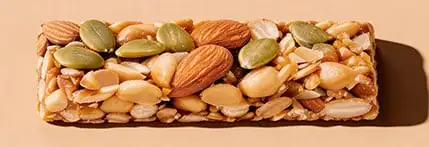
To build this plan with house products, the lemon powdered isotonic drink goes in the bottle; the strawberry and kiwi energy gel comes in units of 3 gels, like the cola energy gel with caffeine and amino acids; and the almond and banana energy bar (42 % almonds and no palm oil, box of 3) covers the solid intakes. The carbohydrate grams for each one are on its label, so the table adds up for you.
Finish and recovery
What should you eat after crossing the finish line?
After the finish, the ACSM and ISSN call for carbohydrates and fluid as soon as possible, and protein at the next meal. Rice, pasta, a sandwich, fruit or yoghurt all work. If you face another effort the next day, the ISSN raises this to 1-1.2 g of carbohydrate per kilo per hour for the first 4 hours.
Keep something in your finish-line bag so you do not depend on whatever is in the queue. The date and coconut energy bar is 90 % dates, with 3 ingredients and no added sugars, and the peach electrolyte gummy bar is vegan, weighs 30 g and contains vitamin B6. It fits in a pocket or in your bag.
Test the plan before the start
Nothing new on race day: no new product, flavour or amount. The gut can be trained: studies on gut training suggest that people who practise in long sessions with the carbohydrate figure they intend to use tolerate more than those who arrive without having done it. Do three or four long rides or walks with the exact plan, with the same drink, the same gels and the same breakfast, and raise the grams little by little.
What can you do if your stomach shuts down during the event?
Slow down for a few minutes, drink in small sips and switch to something liquid or very simple, like a gel with water or isotonic drink. If the discomfort continues, stop eating for 15-20 minutes and restart with very small amounts once it settles.
If you prefer to have everything together, the hydration pack brings lemon powdered isotonic drink, isotonic gel, sticks to flavour water with vitamin C and gummies with electrolytes and carbohydrates. Try it in a long session before deciding what goes in your La Desértica bag.
