











Shopping Cart
There are no more items in your cart
TL;DR: HMB is a metabolite of leucine sold as a supplement. The studied dose is 3 g a day, split into three servings with meals, and in trials it gives small gains in muscle and strength, mainly in people starting to train or going through a very hard phase. It has no authorised health claim in the EU and is well tolerated by healthy adults. Creatine has far more evidence.

HMB has been on gym supplement lists for years, with promises that sound better than what the studies say. Here is what it is, what has actually been found, how much to take and when, and how it compares with creatine.
What HMB is
What is HMB?
HMB (beta-hydroxy-beta-methylbutyrate) is a metabolite of leucine, a branched-chain amino acid found in meat and dairy. The body converts a small part of the leucine you eat into HMB. As a supplement it is sold as the calcium salt, in capsules or tablets.
What HMB does: what the studies say
What is HMB used for?
It is studied for slowing muscle breakdown and damage after intense effort. Trials find small gains in muscle and strength, mainly in untrained people or in very hard training phases. In veteran athletes the effect is smaller. It has no authorised health claim in the EU.
How it works
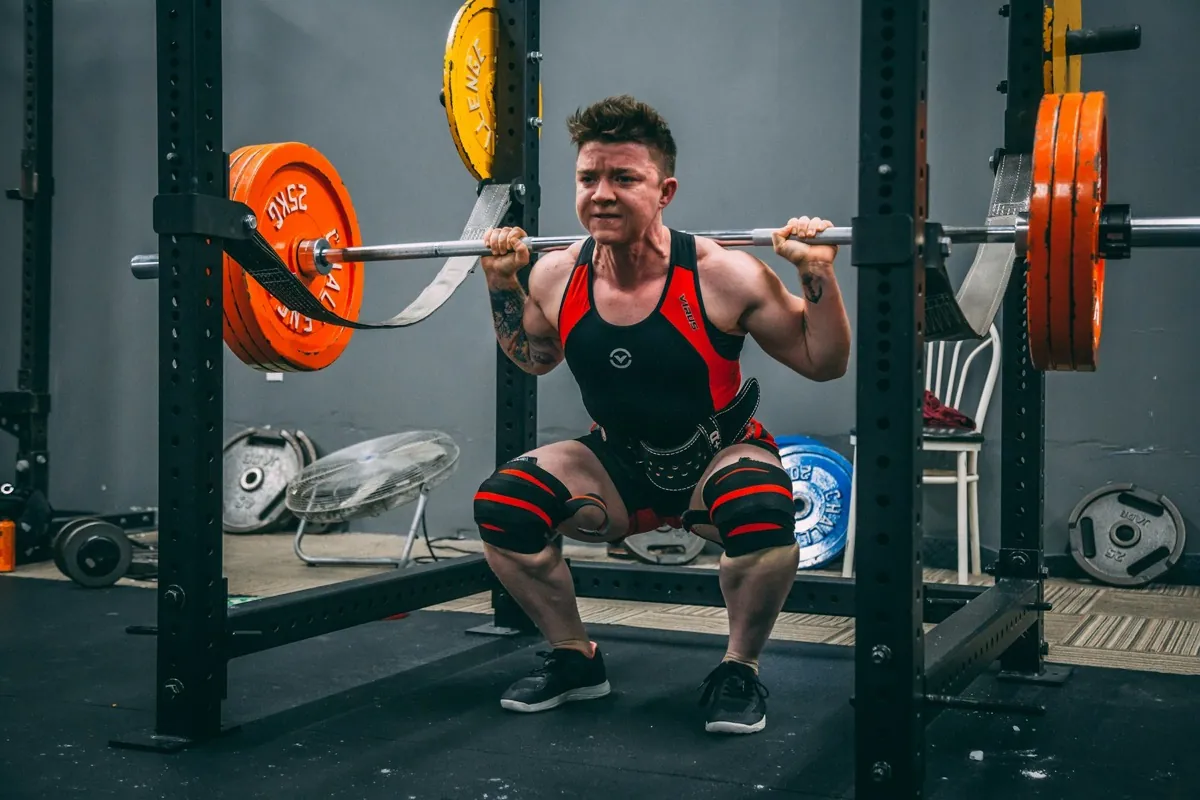
Two mechanisms are attributed to it. The first is slowing the ubiquitin-proteasome pathway, the machinery that dismantles muscle protein after hard training. The second is stimulating the mTOR pathway, the switch that starts building new protein. Much of that explanation comes from laboratory studies; in people, what has been measured is a modest effect.
Who notices it most
The first trials, in the 1990s, showed striking figures in untrained people, and later ones were more modest. The International Society of Sports Nutrition position stand (Wilson et al., 2013) places the benefit mainly in people starting to train or in periods of new or very hard effort, and considers it safe for healthy adults. In athletes who have trained for years, the effect is small.
What happens if I take HMB and do not exercise?
Almost nothing you would notice. The effects studied appear alongside strength training or demanding effort, and without that stimulus there is no reason to expect change. Taking it without training has not been linked to harm in healthy adults, but it makes little sense as a stand-alone supplement.
How to take HMB
When should you take HMB?
Split into three servings with the main meals, which is how the 3 g a day dose was studied. On training days, one serving can coincide with the meal after the session; on rest days keep it the same. Daily consistency matters more than an exact time.
How much HMB should you take a day?
The studied dose is 3 g a day, split into three 1 g servings. Each JustLoading HMB tablet supplies 1,000 mg of HMB, so the routine is 3 tablets a day with meals. Taking more has not been shown to do more.
What happens if I take HMB every day?
That is how it has been studied: 3 g a day for weeks, well tolerated by healthy adults. Any effects need consistency and training. There is no solid data on use over many years, and the dose provides 571 mg of calcium, which counts towards your daily total.
What to look for on the label
The ingredient may appear as beta-hydroxy-beta-methylbutyrate or as calcium HMB. Check how many milligrams of HMB each serving provides rather than the weight of the whole salt, because calcium HMB includes calcium. A simple split is one tablet with breakfast, one with lunch and one with dinner, the same on training and rest days.
JustLoading HMB comes in a pack of 120 units, 40 servings. Each tablet contains 1,190 mg of calcium HMB, equal to 1,000 mg of HMB and 190.5 mg of calcium (24% of the reference intake). With the 3 daily tablets that makes 3,000 mg of HMB and 571 mg of calcium (71%). Calcium contributes to the maintenance of normal bones. It is suitable for vegans and gluten free.HMB and creatine
Which is better, HMB or creatine?
Creatine has far more evidence behind it and carries an authorised health claim: at 3 g a day it improves performance in successive bursts of short, high-intensity exercise. HMB is a supplement with more modest backing. If you can only choose one, choose creatine.
What happens if I take HMB and creatine together?
No interaction between them is known and you can take them on the same day. They work in different ways: creatine fuels short bursts of effort, and HMB is studied for its effect on muscle breakdown. That their effects add up is not proven. Take each at its own dose.
The creatine we mean is monohydrate at 3 g a day, and its dose and nuances are in the article on what creatine is for. If you want a wider view, the guide to supplements for building muscle mass compares them. And for after training, there is the post-workout section.
Side effects and safety
Does HMB have side effects?
In studies of healthy adults, 3 g a day is well tolerated and no relevant adverse effects have been described. Check with your doctor first if you are pregnant or breastfeeding, have kidney disease or take medication. Mind the calcium: the daily dose provides 571 mg.
HMB does not replace what really counts: sleeping well, eating enough protein and progressing gradually in training. If those three fail, no supplement makes up for them.
