











Shopping Cart
There are no more items in your cart
Summer is coming and so is the rush to lose weight fast, but crash diets rarely stay lost: most of that quick drop is water and muscle, not fat, and the scale tends to bounce right back. This guide explains why the yo-yo effect happens and lays out 5 realistic habits — gradual changes, regular exercise, a balanced plate and enough protein — that actually hold up once the diet ends.
The countdown to summer has started, and with it the rush to get in shape fast, pushing many people toward diets that promise to undo a full year of extra weight in just a few weeks. There is a lot to say about the downsides of these plans, but today we are focusing on one in particular: the rebound effect. Have you ever heard of it?
What Is the Yo-Yo Effect?
So-called "miracle diets" chase fast weight loss by slashing calorie intake far below what the body needs. What matters here is that this drop is usually temporary, coming from lost fluids and muscle rather than fat. After a while, the body settles into what is known as the yo-yo effect, or weight cycling: it starts treating that reduced calorie intake as the new normal, and the moment the diet ends or food intake goes back up, the metabolism can no longer burn through everything consumed, so the extra energy gets stored as fat.
What is the yo-yo effect in dieting?
The yo-yo effect, also known as weight cycling or rebound weight gain, happens when someone loses weight quickly through a restrictive diet and then regains it just as fast once normal eating resumes, often ending up at a higher weight than before.
Why do crash diets cause rapid weight loss followed by rebound gain?
Crash diets create such a severe calorie deficit that the body loses mostly water and muscle rather than fat, and it adapts by slowing down metabolism, so any extra food eaten afterward is stored more readily as fat.
Is It Normal to Regain Weight After a Strict Diet?
It is, and that is exactly why so many people feel stuck in a loop of losing and regaining the same kilos. A diet that ends abruptly, without ever turning into a habit you can keep, tends to unravel just as quickly as it worked. Slower, steadier changes are far more likely to stick.
Is it normal to regain weight after finishing a strict diet?
Yes, regaining some weight is common when a diet ends abruptly instead of transitioning into sustainable habits, which is why gradual, long-term changes tend to produce more lasting results than short, extreme plans.
How much weight is safe to lose per week?
Most nutrition guidelines consider a gradual pace of around 0.5 to 1 kilogram per week to be more sustainable and easier for the body to adapt to than rapid weight loss.
5 Ways to Avoid the Rebound Effect
Here are five keys to keep the rebound effect from undoing your progress:
Say no to miracle diets or overly strict plans. Do not expect to erase in a few weeks what built up over the course of a year. Introduce changes to your habits gradually, and remember that every body reacts differently, so do not hesitate to check in with a specialist before overhauling how you eat.
Move regularly. This is where the real magic happens: consistent physical activity keeps your metabolism active and helps you hold on to the calorie expenditure you have built up.
Why is regular exercise important for avoiding weight rebound?
Consistent physical activity helps keep the metabolism active and preserves calorie expenditure, which makes it easier to maintain weight loss once a diet phase ends.
Eat in a balanced way, pairing your meals with foods that keep you full so you can cut calories without feeling deprived. Think protein-rich foods that support your goals, along with fiber and water-rich options like egg whites, fish, legumes or fruit.
What foods help you feel full while eating fewer calories?
Foods that are rich in protein, fiber, and water, such as egg whites, fish, legumes, and fruit, tend to be more filling and can make it easier to reduce calories without constant hunger.
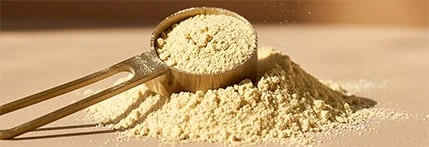
Do not underestimate protein. It is an essential tool for protecting your muscle mass so that neither training nor weight loss ends up eating into your muscle rather than your fat. If you want to go deeper on this, our guide to supplements for building muscle mass and our protein range are good places to start.
Why is protein intake important during weight loss?
Eating enough protein helps protect muscle mass while losing weight, which matters because muscle loss rather than fat loss is one of the main reasons metabolism slows down and the rebound effect appears.
Building a Diet You Can Actually Maintain
If you are unsure about a diet, ask yourself whether it is something you could realistically keep up over time. And while we are on the subject of things that are worth the effort, our piece on eating healthy without restriction or stress is a good next read if you want a more sustainable approach than another crash diet.
Should I follow a diet I found online without professional guidance?
Since every body responds differently, it is best to make dietary changes gradually and speak with a nutrition professional rather than following a generic strict diet found online.
What is a good way to check if a diet is sustainable long term?
A useful test is to ask whether the eating pattern is something you could realistically keep up for months or years, not just a few weeks, since diets that feel impossible to maintain usually end in rebound weight gain.
Remember: if you have any doubts about your particular case, speak to a healthcare professional. Food supplements are not a substitute for a varied and balanced diet.
