












Shopping Cart
There are no more items in your cart
Oats are a whole-grain staple valued for their fibre, plant protein and B vitamins. They don't cause weight gain in normal portions, are naturally gluten-free (though cross-contamination is common), and their beta-glucans are linked to healthy cholesterol levels. Below: how to use oats day to day, the myths worth dropping, and their core nutritional benefits.
Oats are one of the most versatile ingredients in everyday nutrition. Whether you're building an athlete's meal plan or simply looking for a more balanced breakfast, this cereal packs a nutritional punch that goes well beyond a bowl of porridge. Here's what oats actually offer, how to use them, and which claims about them are true.
What Is Oat and What Are Its Nutritional Properties?
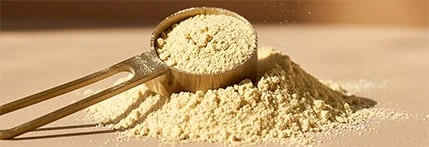
Oats belong to the whole-grain family and stand out for their balance of complex carbohydrates, fibre and protein. Unlike many refined grains, oats retain their bran and germ, which is where most of their nutritional value is concentrated.
What nutrients are in oats?
Oats are a whole grain rich in complex carbohydrates, plant protein and soluble fibre, particularly beta-glucans. They also supply phosphorus, magnesium, iron and manganese, along with B-group vitamins such as B1 and B3, which support normal energy metabolism and the nervous system.
Are oats a good source of plant protein?
Yes. Oats contain more protein than most other cereals, which makes them a practical plant-based protein option for athletes and anyone looking to increase their intake of vegetable protein sources within a balanced diet.
Together with the phosphorus, magnesium, iron and manganese mentioned above, this profile is why oats often show up alongside other vitamin and mineral-rich foods in sports nutrition plans.
How to Use Oats in Your Daily Diet
Part of what makes oats so popular is how adaptable they are. A few simple preparation methods cover most of what people need from breakfast to snacks.
What is the best way to eat oats for breakfast?
A classic option is rolled oats soaked overnight in milk or a plant-based drink with fruit and a spoon of nut butter, or cooked as warm porridge with cinnamon. Both methods preserve the fibre and nutrients while making the grain easier to digest.
Can oats be used in recipes beyond breakfast?
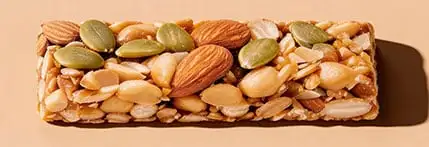
Yes. Oats work well as a binder in homemade energy bars and bites, as a coating for baked snacks, or blended into batters for pancakes and muffins, offering a fibre boost without changing the flavour of the dish significantly.
Myths and Truths About Oats
Oats attract a fair share of confusion, from their effect on weight to whether the gluten-free label can be trusted. Here's what actually holds up.
Do oats make you gain weight?
No, not on their own. In the right portion, oats provide sustained energy and promote satiety thanks to their fibre and plant protein content, which is why they are commonly included in weight-management and balanced eating plans rather than avoided.
Is oat milk a healthy choice?
It can be, depending on the product. A good oat drink should have a short ingredient list, essentially water and oats, with no added sugar or salt. Choosing a plain, additive-free oat drink lets you enjoy its benefits as part of a varied diet.
Do oats contain gluten?
Oats are naturally gluten-free, but they are frequently cross-contaminated with wheat, barley or rye during farming and processing. Anyone with coeliac disease or gluten intolerance should always choose oats specifically certified as gluten-free.
Key Benefits of Oats
Beyond the basics, a handful of specific compounds explain why oats keep showing up in nutrition recommendations.
How do beta-glucans in oats support cholesterol levels?
Beta-glucans are a type of soluble fibre unique to oats that forms a gel-like substance in the gut, which is associated with maintaining healthy blood cholesterol levels as part of an overall balanced diet and active lifestyle.
Do oats help with digestion and satiety?
Yes. The fibre in oats supports regular digestion and slows gastric emptying, which increases the feeling of fullness after a meal. This makes oats a useful ingredient for anyone managing appetite as part of a structured nutrition plan.
Oat-Based Snacks at JustLoading
If you'd rather skip the meal prep, ready-made options make it easy to get the same benefits on the go. Our protein flapjack chocolate bar is built on an oat base and works well as a quick breakfast or a between-meals snack. For more ideas on pairing oats with a training routine, check our health section for related articles.
Remember: if you have any doubts about your particular case, speak to a healthcare professional. Food supplements are not a substitute for a varied and balanced diet.
