








Shopping Cart
There are no more items in your cart
TL;DR: Losing fat without losing muscle comes down to a moderate calorie deficit, enough protein at every meal, smart carb timing, good hydration, less alcohol, and strength training kept in the mix. There's no shortcut diet that fits everyone — a nutritionist can fine-tune the details for your body and goals.
With summer season pushing people to shed weight fast, one question comes up again and again: how do you lose fat without losing the muscle you've spent months building? It happens more often than you'd think — in the rush of a crash diet, all that hard-earned progress disappears along with the fat.
This article walks through the habits that actually help you hold on to muscle while cutting calories. One thing to be upfront about: there is no miracle diet, and definitely no single plan that works identically for everyone. A qualified nutritionist remains the best resource for tailoring any of this to your own body and training schedule.
Why Muscle Is the First Thing You Lose on a Diet
If your goal is to lose fat, the starting point is a calorie deficit — burning more than you eat. But a deficit alone doesn't decide where that energy comes from. Without the right habits around protein and training, your body will happily break down muscle tissue for fuel right alongside fat.
Why do I lose muscle when I'm in a calorie deficit?
When you eat less energy than you burn, your body looks for fuel wherever it can find it. If protein intake is too low or training stops, muscle tissue becomes an easy target alongside fat, which is why the way you diet matters as much as the deficit itself.
The Three Non-Negotiable Rules for Losing Fat, Not Muscle
Once you've committed to a calorie deficit, a handful of simple rules make the difference between losing fat cleanly and losing muscle along with it:
- Cut back on ultra-processed foods — industrially made products loaded with added colorings, sweeteners, and preservatives. Say goodbye to packaged pastries and ready meals as your everyday default.
- Watch your macronutrients, especially carbohydrates. Fats, proteins, and carbs are your body's main energy sources, and they also drive muscle growth and metabolic regulation, so balance matters more than eliminating any one of them.
- Keep carb portions in check. Your body stores carbohydrates as glycogen in the muscles, but once that storage is full, the excess gets converted into fat.
- Prioritize protein — it keeps you fuller for longer and gives your body what it needs to preserve and build muscle, and more muscle means a higher resting calorie burn.
- Stay hydrated. Water supports normal body function and can help you avoid mistaking thirst for hunger.
- Skip the alcohol. It adds calories with zero nutritional payoff.
Are ultra-processed foods really that bad when I'm cutting?
Ultra-processed foods are industrially made with added colorings, sweeteners, and other derived ingredients, and they tend to be calorie-dense without offering much protein or fiber. Cutting back on pastries and ready meals makes it far easier to stay in a deficit without feeling hungry all day.
How many carbs should I eat while losing weight?
There is no single number that works for everyone, but keeping portions moderate matters because your body stores carbohydrates as glycogen in the muscles first. Once that storage is full, any extra gets converted into fat, so matching carb intake to your activity level helps keep the deficit working in your favor.
Protein: Your Strongest Ally Against Muscle Loss
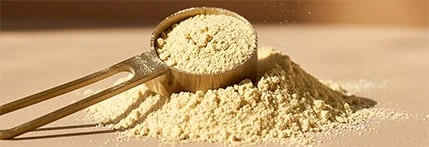
Of every habit on this list, protein is the one that does the most heavy lifting for muscle retention. A convenient whey protein blend can help you hit your daily target without adding much fuss to your routine, especially on training days when your needs go up.
How much protein do I need per day to protect my muscle?
Needs vary by body weight, training volume, and goals, so there is no universal figure, but prioritizing a protein source at every main meal is a simple habit that supports muscle maintenance. A qualified nutritionist can calculate the exact target for your situation.
What's the best time to eat protein when I'm cutting?
Spreading protein across your meals rather than loading it all at dinner tends to work better for both satiety and muscle maintenance, since it keeps amino acids available throughout the day instead of in a single spike.
Hydration Isn't Optional
It's easy to overlook water when you're focused on food, but proper hydration supports the metabolic processes your body relies on during a cut, and it plays a real role in appetite control too.
Does drinking more water actually help you lose fat?
Water itself doesn't burn fat, but staying well hydrated supports normal metabolic function and can help you tell the difference between hunger and thirst, which makes it easier to stick to your eating plan.
What About Alcohol?
Alcohol is one of the easiest places to trim calories without touching your food at all, and cutting it out tends to pay off fast during a fat-loss phase.
Why does alcohol get in the way of fat loss?
Alcohol adds calories with no nutritional value and your body prioritizes metabolizing it over burning fat, so regular drinking can quietly stall progress even when your diet otherwise looks solid.
Training the Right Way: Cardio, Strength, or Both?
Diet only tells half the story. Keeping your training consistent, and prioritizing resistance work, is what actually gives your body a reason to protect its muscle instead of burning through it. If you're rebuilding your routine, it's worth reading up on whether cardio or strength training should come first, and on what to eat after the gym to support recovery without undoing your deficit.
Should I focus on cardio or strength training to keep my muscle?
Strength training gives your body a reason to hold on to muscle even in a calorie deficit, while cardio helps increase the total energy you burn. Combining both, with strength work as the priority, tends to give the best results for losing fat without losing gains.
Why a Nutritionist (Not a Fad Diet) Is Your Best Bet
It's worth repeating: there is no miracle diet, and no single plan that fits every body and every schedule. A registered nutritionist can turn these general rules into a plan built around your actual routine, preferences, and goals.
Is there one diet that works for everyone trying to lose fat?
No single diet fits every body, schedule, or training routine. A registered nutritionist can adapt the general rules to your specific needs, which is far more reliable than following a generic plan copied from someone else.
Remember: if you have any doubts about your particular case, speak to a healthcare professional. Food supplements are not a substitute for a varied and balanced diet.
