












Shopping Cart
There are no more items in your cart
Muscle recovery deserves as much attention as the workout itself. A good warm-up gets the body ready, but it is the 24 to 48 hours after training, gentle stretching, active recovery, and eating protein and carbohydrates within an hour of finishing, that let the muscle actually repair and grow. Staying well hydrated and, if needed, adding the right supplements rounds out a routine that helps you train harder next time.
Starting Off Right: The Warm-Up
A correct warm-up is essential for a good exercise session, though the importance should not fall on preparation alone. Once training is finished, it is just as important to carry out a proper recovery, which has a major impact on performance and lets you train more effectively next time.
Why is warming up important before exercise?
A proper warm-up prepares the muscles and joints for the effort ahead, lowering the risk of injury and helping you get more out of the session that follows.
How long should a warm-up last?
There is no single fixed number, but a warm-up should last long enough to raise your heart rate and loosen the muscle groups you are about to train, usually somewhere between five and ten minutes.
Muscle Recovery After Exercise
Recovery after exercise is essential for the muscle, for tissue repair and for building strength. This matters even more after an anaerobic or weight training session. A muscle needs between 24 and 48 hours of rest to recover and repair tissue in any case, and training it again too soon simply breaks the tissue down instead of letting it regenerate.
How long does it take for a muscle to recover?
A muscle generally needs between 24 and 48 hours of rest to recover and repair tissue, and training it again too soon simply breaks the tissue down further instead of letting it regenerate.
Can I train the same muscle group two days in a row?
For strength or weight training routines it is not advisable to work the same muscle groups on two consecutive days, since the muscle needs that recovery window to repair and grow.
Right after finishing exercise it is essential to do some gentle stretching, which helps the muscle recover. This can be paired with active recovery.
What is active recovery?
Active recovery is gentle movement done after training that keeps the blood flowing without adding fresh strain, and that improved circulation helps muscles repair and recover faster. Circulation, which carries nutrients around the body, can also be supported by a good massage.
Nutrition for Muscle Recovery
Nutrition is also fundamental to the recovery process after exercise, and the same goes for hydration. When it comes to food, it is best to eat within the 60 minutes after finishing exercise, favouring protein and carbohydrates while avoiding fat.
What should I eat after a workout?
It is best to eat within 60 minutes of finishing exercise, combining protein with carbohydrates while keeping fat to a minimum, since carbohydrates restore energy and protein supports muscle repair.
How much water should I drink after exercise?
You should drink plenty of water after training to replace what is lost through sweat, since a well hydrated body recovers better and that fluid balance is closely tied to overall health.
Sports Supplementation After Training
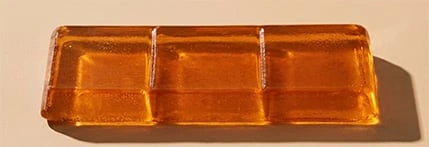
Post-workout nutrition can be complemented with other supplements that support a faster recovery and visible results. JustLoading's energy gel with caffeine and amino acids is designed to help the muscle recover after training.
What supplements help with muscle recovery?
Energy gels combined with branched-chain amino acids and whey protein are common additions to a post-workout routine, both aimed at supporting faster muscle recovery and visible results.
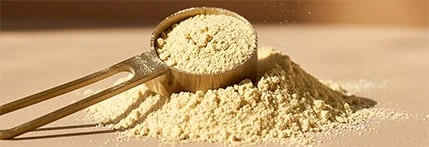
Alongside those gels, protein bars such as the stracciatella protein bar are a go-to recovery snack thanks to their high whey protein content, and you will find several flavours to choose from. For a shake-style option, our whey protein in chocolate flavour is another straightforward way to hit your post-training protein intake.
Does protein intake after training help muscle growth?
Yes, taking in protein after a workout supports both the recovery and the growth of muscle mass, which is why many athletes include a protein source in their post-training routine.
Remember: if you have any doubts about your particular case, speak to a healthcare professional. Food supplements are not a substitute for a varied and balanced diet.
