












Shopping Cart
There are no more items in your cart

If you have been eating poorly for days and you are looking for which vitamins might help you regain your appetite, here is the short answer: the deficiencies most often associated with poor appetite in adults are B-complex vitamins (B1 and B12), zinc, and iron. Vitamin C is usually added because it boosts iron absorption, and Omega-3 fatty acids can help when you feel full too quickly.
That said, a supplement only makes sense if it fits the real cause. Loss of appetite can come from an infection, stress, medication, hormonal changes or, in older adults, from a natural decline in taste and smell. In this guide you will see which vitamins to look at, which format to choose, how long they take to work, and when it is better to consult a doctor or dietitian before taking anything.
Why adults lose their appetite
Hunger is not just "an empty stomach". It is a mix of hormonal, neural, and emotional signals that the body constantly adjusts. When any of those signals breaks down, appetite drops. These are the most common causes in adults.
Physical causes and medical conditions
- Acute infections: colds, flu, or gastroenteritis usually suppress appetite for several days.
- Digestive issues: reflux, gastritis, bloating, or chronic constipation create early fullness.
- Thyroid: both hypothyroidism and hyperthyroidism can change appetite.
- Medication: some antibiotics, painkillers, antidepressants, or cancer treatments reduce hunger.
- Nutrient deficiencies: low iron, B12, B1, or zinc lower energy and, with it, appetite.
Stress, anxiety, and mental health
Sustained stress raises cortisol and can suppress hunger for weeks. Anxiety and depressive states do something similar: they lower interest in food and disrupt eating routines. If the loss of appetite coincides with a period of strong emotional pressure, work changes, or grief, the priority is not vitamins, but addressing the cause.
Age and appetite in older adults (hyporexia)
Eating less is common in older adults. This progressive decline in appetite is called hyporexia. Several factors usually combine: metabolism slows down, taste and smell lose sharpness, chewing or swallowing problems appear, and sometimes loneliness or loss of meal routine plays a role. In this group, watching for B12, zinc, and vitamin D deficiencies is especially important to prevent unintentional muscle loss.
Which vitamin is low when you have no appetite
If the loss of appetite is not explained by a clear medical condition, it is worth checking your micronutrient status. These are the vitamins and minerals most consistently linked to appetite in adults:
| Nutrient | Role linked to appetite | Typical signs of deficiency | Common format |
|---|---|---|---|
| Vitamin B1 (thiamine) | Turns carbs into energy. No energy, less "fuel demand" | Fatigue, low appetite, irritability | B-complex, ampoules |
| Vitamin B12 | Red blood cell production and nerve function | Tiredness, dizziness, tingling, pale skin | Sublingual tablets, injectable |
| Zinc | Maintains taste and smell, supports digestion | "Food tastes bland", whitish tongue, frequent infections | Capsules, often combined with magnesium |
| Iron | Oxygen transport; deficiency leads to anaemia and exhaustion | Fatigue, pallor, brittle nails, low appetite | Tablets, syrup, better with vitamin C |
| Vitamin C | Immune support and improved iron absorption | Tender gums, frequent infections | Tablets, powder, effervescent |
| Omega-3 | Reduces digestive inflammation and early fullness | Frequent bloating, fast satiety, dry skin | Softgels or liquid |
B complex: the energy base of appetite
The B-group vitamins (B1, B2, B3, B6, B9, B12) work together to convert food into energy. When one of them runs low, metabolism slows, fatigue sets in, and appetite drops. That is why most appetite supplements use a full B complex instead of a single vitamin.
- B1 (thiamine): essential for carb metabolism. Classic deficiency causes loss of appetite and fatigue.
- B12 (cobalamin): key in older adults, vegetarian or vegan diets, and long-term omeprazole users. Deficiency causes megaloblastic anaemia with marked fatigue.
- B6 (pyridoxine): supports nervous system balance and the production of neurotransmitters that influence hunger.
Zinc: when food "tastes bland"
Zinc is the mineral most directly tied to taste and smell. If food has become flavourless without a clear reason, it is worth checking. Zinc also takes part in gastric juice production, immune response, and recovery after physical effort. A common choice is ZMA, which combines zinc, magnesium, and B6, usually taken at night.
Iron: rule out anaemia first
Iron deficiency anaemia is a very common cause of poor appetite, especially in women of fertile age, athletes, and people on plant-based diets. Before starting an iron supplement, confirm the deficiency with blood work (ferritin, haemoglobin), because excess iron is not harmless. Vitamin C taken with the same meal significantly improves iron absorption.
Vitamin C: immune support and better iron uptake
Vitamin C does not directly boost appetite, but it helps on two fronts that do: it strengthens the immune system (useful after an infection that knocked out your hunger) and improves absorption of plant-based iron. It is easy to add as 500 mg tablets taken with the main meal.
Omega-3: for early fullness
Omega-3 fatty acids have an anti-inflammatory effect that can help when the "I am already full" feeling shows up too soon, especially if abdominal bloating is frequent. They do not boost appetite directly, but they ease digestive issues that often block it.
What is the best appetite stimulant for adults
There is no single "best" supplement. The right choice depends on the cause: appetite loss after a flu is not the same as iron deficiency anaemia or the side effect of a treatment. Here are the most common options, from lighter to stronger intervention.
Habits before supplements
If the loss of appetite is mild and recent, the first step is usually to review your habits: sleep better, move a bit more, eat 5 or 6 small portions, and reduce sweet snacks between meals. Many mild cases resolve with this alone in a week or two.
Pharmacy supplements and vitamins for appetite
The most effective options for adults combine several nutrients in one formula. As a reference, look for compositions that include:
- Full B complex (B1, B6, B12 are key).
- Zinc (10 to 25 mg per day is usually enough).
- Vitamin C to boost the immune system and iron absorption.
- Iron only if a deficiency is confirmed by lab work.
A reasonable starting point is a wellness pack bundling several of these nutrients in sensible doses.
Which format to choose: syrup, ampoules, or capsules
- Syrup: useful for people who struggle to swallow pills or for older adults. Usually has a pleasant taste.
- Drinkable ampoules: concentrated dose with fast absorption. Handy for short courses.
- Capsules and tablets: the most practical option, easy to dose and carry.
At the same dose and composition, the three formats deliver comparable results. The "best" one is the one you will actually take consistently for several weeks.
Natural remedies and herbs to boost appetite
Some herbs and spices have long been used as gentle digestive tonics before meals. The most common are gentian root, ginger, cinnamon, fennel, and lemon balm. They may help stimulate digestive secretions and prime the system, although the effect tends to be modest and varies from person to person.
How to recover appetite naturally, day by day
Beyond vitamins, a few simple routines often help bring hunger back within a few weeks:
- Eat smaller portions, more often: 5 or 6 small meals instead of 3 big ones.
- Start with what appeals to you most on the plate. If you leave the least appealing food for last, you tend to give up earlier.
- Boost colour, aroma, and temperature. Fresh herbs, mild spices, and warm dishes feel more appealing than lukewarm, dull food.
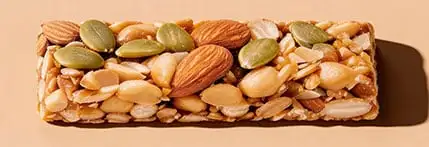
- Prioritise nutrient density in small portions: nuts, avocado, extra virgin olive oil, eggs, plain yoghurt, homemade protein smoothies.
- Care for the setting: eat seated, no screens, and if possible with company.
- Do not punish low-appetite days. Forcing yourself to overeat one day often makes the next day worse.
Exercise: the most underrated natural appetite stimulant
Regular movement is one of the most reliable appetite regulators. Walking 30 to 45 minutes a day, adding two or three light strength sessions per week, or swimming is usually enough to bring hunger back in a few weeks. It also improves sleep and lowers cortisol, two levers that influence appetite. If you train or plan to start, it helps to know what to eat before and after training so you neither show up empty nor miss recovery opportunities.
Treatment-related loss of appetite: what to do
If the loss of appetite is a side effect of a treatment (long antibiotic courses, chemotherapy, certain psychiatric medications), do not self-medicate with vitamins without checking first. The practical goal is to maximise nutrition in small volumes:
- Homemade smoothies with milk or plant drinks, banana, oats, and protein powder.
- Purees and creams enriched with olive oil, cheese, or egg.
- Soups with blended legumes and animal or plant protein.
- Full-fat dairy, ground nuts on yoghurt, nutrient-dense snacks.
If you lose weight unintentionally during a treatment, ask your medical team or a dietitian-nutritionist for support.
When to see a doctor or dietitian
Vitamins can help, but they do not replace a diagnosis. See a professional if the loss of appetite:
- Lasts more than one or two weeks with no clear cause.
- Comes with unintentional weight loss (more than 2 to 3 kg in a few weeks).
- Appears alongside fever, pain, persistent nausea, vomiting, or marked changes in bowel habits.
- Shows up in an older adult, even if moderate, due to the higher risk of malnutrition and muscle loss.
- Coincides with a long medical treatment.
A basic blood panel (complete blood count, ferritin, B12, vitamin D, thyroid profile) usually clarifies most of the picture and allows you to supplement with a clear plan instead of "let's see if it works".
Frequently asked questions about vitamins for appetite
Which vitamin is low when you have no appetite?
The deficiencies most often linked to loss of appetite in adults are B-complex vitamins (especially B1 and B12), zinc, and iron. B1 supports energy metabolism, B12 supports energy and the nervous system, zinc helps maintain taste and smell, and iron carries oxygen in the blood. Before supplementing, it is best to confirm any deficiency with a blood test.
What is the best vitamin to boost appetite in adults?
There is no single magic vitamin. Supplements that tend to work best for adult appetite combine a B complex (B1, B6, B12), zinc, and iron only if a deficiency is confirmed. Vitamin C also helps your body absorb iron more efficiently. The right choice depends on the underlying cause and on lab results.
How long does an appetite supplement take to work?
If the cause is a mild deficiency, most people notice improvement within 2 to 4 weeks of consistent use. For more pronounced deficiencies, especially B12 or iron, it may take 1 to 3 months. If you see no change after 4 weeks, it is wise to review the cause with a healthcare professional.
Do appetite vitamins make you gain weight?
Vitamins and minerals do not cause weight gain on their own; they provide no meaningful calories. If weight does increase, it is because regaining appetite leads to eating more food. The effect on weight depends on what and how much you eat, not on the supplement itself.
Which format works best: syrup, ampoules, or capsules?
All three formats can be equally effective at the right dose. Syrup and ampoules are easier for people who struggle to swallow pills or prefer liquid forms. Capsules and tablets are the most practical option for daily use and travel.
Can exercise actually boost appetite?
Yes. Regular moderate exercise (walking, swimming, light strength training) tends to increase energy expenditure and, as a result, hunger. It also helps lower stress and improve sleep, two factors that strongly influence appetite.
When should you see a doctor about loss of appetite?
Seek professional advice if the loss of appetite lasts more than one or two weeks with no clear cause, if there is unintentional weight loss, or if it comes with fever, pain, persistent nausea, or changes in bowel habits. In older adults, any prolonged loss of appetite should be assessed.
Bottom line
Vitamins can be a useful support to recover appetite in adults, especially when B complex, zinc, or iron are low. Before supplementing, it pays more to identify the cause (stress, illness, medication, age) and to fix basic habits: eat little and often, sleep well, and move every day. If the loss of appetite drags on or comes with weight loss, the smartest move is to consult a professional and supplement with a clear plan instead of guesswork.
