











Shopping Cart
There are no more items in your cart
Summary: yeast protein is an inactive superfood derived from Saccharomyces cerevisiae with 80g of complete protein per 100g, all essential amino acids, natural BCAAs, vitamins and fiber (yeast beta-glucans). Ideal for muscle recovery, sustained energy and vegan diets. Dosage: 30g daily, up to 20-30g post-workout.
Yeast protein is an inactive superfood derived from the fungus Saccharomyces cerevisiae, recognized worldwide for its high complete-protein content, high fiber content and practical powder format. If you are looking for a complete vegan alternative to animal protein, this is your ally.
What exactly is yeast protein?
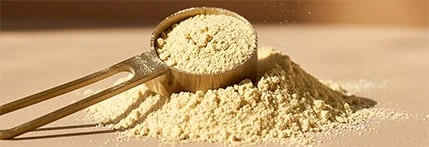
Yeast protein is a strain of yeast grown in sugary media exclusively for use as a food supplement. Unlike other variants, it is sold inactive, dry and in powder form, with 100% solubility for drinks.
Fermentation and inactivation process
The process consists of growing the fungus for several days in a glucose-rich medium, usually cane or beet molasses. Once it reaches the desired volume, it is harvested and carefully washed.
The key step is heat treatment. The fungus is exposed to high temperatures to fully deactivate it, preventing any future fermentation. Finally, it is dried and transformed into powder for packaging, guaranteeing a nutrient-dense food that does not generate gas in the digestive tract.
Key differences compared with baker's yeast
The main difference lies in its biological state: baker's yeast is alive and active, while yeast protein is dead and inactive.
If you try to make bread with this inactive version, the dough will not rise because there is no carbon dioxide production. Its use is strictly nutritional, designed to enrich shakes and drinks without altering the chemical structure of foods.
Properties and nutritional value per 100g
This superfood stands out as a complete plant protein, low in fat and exceptionally rich in essential micronutrients for physical performance.
Complete essential amino acid profile
Yeast protein contains the nine essential amino acids that the human body cannot synthesize on its own. This classifies it as a high-biological-value protein.
Consuming complete proteins accelerates tissue repair after intense exercise. It supports muscle protein synthesis, helping to prevent catabolism and naturally promoting lean mass development.
Macronutrient and micronutrient table
| Nutrient | Amount per 100g |
|---|---|
| Calories | 417.5 kcal |
| Protein | 80 g |
| Carbohydrates | 5.7 g |
| Dietary fiber | 3.3 g |
| Fat | 8 g |
What is yeast protein used for?
It works as a powerful natural supplement to increase daily protein intake, optimize energy metabolism and strengthen the immune system against oxidative stress.
Clinical impact on cholesterol reduction
Its beta-glucans act physically in the intestine, blocking the absorption of dietary cholesterol. This helps remove it directly from the body.
Several clinical studies confirm that regular consumption of this type of fiber helps reduce circulating LDL cholesterol levels. Maintaining a healthy lipid profile improves blood flow and oxygen transport to muscles during aerobic activity.
Anti-inflammatory properties for muscle recovery
The natural antioxidants it contains, especially glutathione and selenomethionine, reduce cellular inflammation caused by exercise-induced muscle damage.
Reducing oxidative stress helps lessen delayed-onset muscle soreness (DOMS). Your muscle fibers repair faster, allowing higher training frequency with a lower risk of injury.
Microbiota regulation and intestinal candida control
Because it contains no free sugars and is biologically inactive, it does not feed opportunistic fungal infections.
Its high concentration of prebiotic fiber directly nourishes beneficial colon bacteria. A strong gut microbiome competes for space and nutrients, effectively limiting the overgrowth of Candida albicans and improving overall nutrient assimilation.
How should you take yeast protein daily?
You can add it directly to drinks, shakes or protein blends. Because it is a 100% soluble powder, it fits easily into your daily routine.
Daily dose recommended by sports nutritionists
The optimal dose is 30g per day.
This amount provides an outstanding intake of high-quality protein. Athletes with higher requirements can take a 20-30g post-workout serving. Drastically exceeding this dose does not provide additional athletic benefits.
What happens if you consume yeast every day?
You will experience a noticeable improvement in your daily vitality levels and medium-term optimization of your digestive processes.
Your body will receive a steady supply of amino acids and key nutrients, supporting recovery and helping delay the onset of fatigue. It is a safe nutritional habit supported by current sports science.
Preparation and optimal consumption options
It is a 100% soluble powder for drinks. Here is the most practical way to make the most of it:
Use in post-workout protein shakes
Adding one scoop of this superfood to your usual shake increases the biological value of the blend.
It combines excellently with plant protein isolates or whey protein. This synergy accelerates amino acid transport toward muscle tissue during the post-exercise anabolic window.
Contraindications of yeast protein
It is a highly tolerated food, although a sudden introduction in very high doses may cause temporary gastric discomfort.
Disadvantages and possible digestive side effects
The main adverse effect is gas or abdominal bloating due to its high concentration of prebiotic fiber.
It also contains tyramine, an amino acid that acts as a vasoactive compound in high concentrations. People prone to severe migraines should test small tolerances, as this compound may act as a headache trigger.
Who should not take yeast protein?
It is not recommended for patients diagnosed with active Crohn's disease, severe ulcerative colitis or specific allergies to fungal yeasts.
People taking monoamine oxidase inhibitor antidepressants (MAOIs) should avoid consumption. The interaction between these drugs and tyramine can trigger dangerous spikes in blood pressure.
Where can you buy quality yeast protein?
You can buy this supplement on our website or at points of sale where the JustLoading brand is available (private label/MDD).
JustLoading yeast protein for maximum performance
JustLoading yeast protein is specifically designed to meet the demanding standards of today's athletes.
We guarantee an excellent intact aminogram profile and perfect solubility. Adding it to your routine ensures the micronutrient supply needed to take your energy, strength and recovery to the next level of performance.
Free shipping on orders over EUR25.
