










Shopping Cart
There are no more items in your cart
Protein is not just for bodybuilders: it is the raw material your body uses to build and repair everything from muscle to skin. This guide breaks down why protein matters, the best animal and plant sources, how much you actually need, and how to pick your foods depending on whether your goal is building muscle, losing weight or staying lean on a low-carb plan.
If you're reading this, you already know protein isn't just for bodybuilders. It's a cornerstone nutrient for anyone looking to perform better, recover faster after training, manage their weight, or simply eat in a healthier way. Protein is, in essence, the building block your body uses to construct and repair everything from muscle to skin.
In this article we'll break down everything you need to know about high-protein foods: why they matter so much, which sources (both animal and plant) are the best, and how to choose them to match your specific goals.
Why Protein Matters for Your Diet
Think of your body as a house that's constantly being built and renovated. Protein is the bricks, the cement and the tools. Without it, your body can't repair everyday wear and tear, like the muscle breakdown that happens after exercise, or build new structures to make you stronger and more resilient. This macronutrient is essential for everything to run properly, especially if you lead an active lifestyle.
Key Functions of Protein in the Body
Beyond muscle, protein plays vital roles throughout your body, influencing your overall health and wellbeing:
- Tissue building and repair: Protein is the foundation for creating and repairing muscle, bone, skin and organs. After a good workout, it's protein that rebuilds muscle fibers so they come back stronger.
- Hormonal regulation: Many hormones, which act as chemical messengers in the body, are made of protein.
- Satiety: Looking to control your appetite? Protein-rich foods help you feel full for longer, making them a great ally for weight-loss diets.
- Transport and storage: Proteins carry vital molecules like oxygen around the body and store nutrients such as iron.
Is it possible to eat too much protein?
Your body can only use so much protein at once for building and repairing tissue, so eating far more than you need will not speed up muscle growth and simply gets used as extra energy instead, which is why matching intake to your activity level matters more than maximizing it.
How Much Protein Do You Need Each Day?
This is the million-dollar question, and the answer is: it depends. How much protein you need varies based on your weight, activity level and goals. A sedentary person doesn't have the same needs as an athlete training five days a week.
As a general reference, these figures can guide you:
- For a mostly inactive person: The usual recommendation is around 0.8 grams of protein per kilogram of body weight.
- For active people and athletes: If your goal is to build muscle or improve recovery and performance, your needs go up. A common recommendation is between 1.6 and 2.2 grams of protein per kilogram of body weight.
The key is adjusting your intake to your own needs, so your body gets the material it needs to recover and progress.
What happens if you don't get enough protein?
Without enough protein, your body struggles to repair muscle fibers after training, recovery slows down, and you may feel hungrier sooner, since protein is one of the main nutrients responsible for keeping you satisfied between meals.
Animal and Plant Sources of Protein
Now that we understand why protein matters, let's get practical. We've split the list into animal and plant sources so you can pick the ones that best fit your lifestyle and preferences.
Animal-Based Protein Foods
Animal sources are known for containing "complete proteins," meaning they provide all the essential amino acids your body can't produce on its own. That makes them a very efficient way to cover your daily needs. Lean chicken or turkey breast is a staple of fitness diets for good reason: it's incredibly high in protein and very low in fat, and a lean beef steak is another excellent option, also providing iron and B vitamins. Fish is another top-quality protein source: tuna, salmon and hake all deliver plenty of protein, and oily fish like salmon are also rich in omega-3 fatty acids, which are widely recognized as beneficial for cardiovascular health. Prawns and shrimp are another light, protein-packed option. Eggs are a true superfood: cheap, versatile and packed with high-quality protein, while Greek yogurt and cottage cheese stand out for having almost double the protein of their regular counterparts, making them perfect for breakfast or a post-workout snack.
What's the difference between complete and incomplete proteins?
A complete protein contains all the essential amino acids your body cannot produce on its own, which is typical of most animal sources, while an incomplete protein is missing one or more of them, meaning some plant sources need to be combined to cover the full profile.
Plant-Based High-Protein Foods
More and more people are turning to plant sources, whether they follow a vegan diet or simply want more variety. Fortunately, the plant world offers fantastic, well-rounded options. Lentils, chickpeas and beans are affordable, fiber-rich choices with a solid protein content. Edamame (young soybean pods) deserves a special mention, as it's one of the few plant foods that contains every essential amino acid. Almonds, peanuts, walnuts, chia seeds and hemp seeds are perfect for adding an extra protein boost to salads, yogurt or a quick snack, and they also bring healthy fats. Tofu, tempeh and seitan are staples of a plant-based diet: tofu and tempeh, both made from soy, are extremely versatile, while seitan, made from wheat gluten, has a meat-like texture and an exceptionally high protein content.
Are animal proteins better than plant proteins?
Neither is inherently better: animal proteins tend to be complete and easy to absorb, while plant proteins bring extra fiber and can fully cover your needs as long as you combine different sources, so the right choice depends on your diet and preferences.
What is the single richest source of protein?
Foods like seitan, tuna and chicken breast top the charts at roughly 23 to 26 grams per 100 grams, but rather than chasing one miracle food, combining several sources gives you a more complete nutrient profile and keeps meals from getting repetitive.
Protein Content Comparison Tables (Per 100g)
To make things clear and quick to reference, here are two tables you can use to plan your meals.
General Protein Comparison: Meat, Fish, Plant Foods and More
| Food | Protein (g) per 100g (approx.) |
|---|---|
| Chicken breast | 23-25 g |
| Lean beef steak | 22-24 g |
| Canned tuna (in water) | 24-26 g |
| Salmon | 20-22 g |
| Lentils (cooked) | 9 g |
| Chickpeas (cooked) | 8-9 g |
| Seitan | 25 g |
| Firm tofu | 16 g |
| Large egg (2 units) | 13 g |
| Plain Greek yogurt | 10 g |
| Peanuts | 25 g |
How much protein is in an egg?
Two large eggs provide around 13 grams of protein along with several vitamins and minerals, making them one of the most affordable and versatile protein sources for breakfast, snacks or post-workout meals.
High-Protein, Low-Fat Foods: The Definitive Table
If your goal is to maximize protein while keeping fat in check, this table is for you.
| Food | Protein (g) per 100g (approx.) | Fat (g) per 100g (approx.) |
|---|---|---|
| Turkey breast | 24 g | 2 g |
| Egg whites | 11 g | 0.2 g |
| Hake | 18 g | 2 g |
| 0% fat cottage cheese | 12 g | 0.5 g |
| Cooked prawns | 24 g | 1 g |
| Cooked lentils | 9 g | 0.4 g |
Which foods are high in protein but low in fat?
Turkey breast, egg whites, hake, 0% fat cottage cheese and cooked prawns all deliver a strong dose of protein with very little fat, making them solid picks when you want to keep your protein intake high without adding extra calories from fat.
Choosing Protein Foods for Your Specific Goal
Not every goal calls for the same strategy. Here's how to decide which protein foods to prioritize based on what you're trying to achieve.
Best Protein Foods for Building Muscle
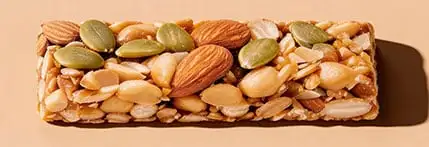
To build muscle, you need two things: a solid strength-training stimulus from your strength workouts and enough "bricks" (protein) plus energy (calories). Combine high-quality protein sources like chicken, beef, fish and eggs with complex carbohydrates (rice, potatoes, oats). A post-workout snack like a white chocolate and yoghurt energy flapjack can be a great way to refuel and add extra protein.
Does eating more protein really help you feel full?
Yes, protein is widely recognized as the most satiating macronutrient, so prioritizing lean protein sources at each meal can make it noticeably easier to control appetite and stick to a calorie target.
High-Protein Foods for Weight Loss
Here the key is satiety combined with preserving muscle mass. Choose lean proteins that fill you up without adding too many calories: turkey breast, white fish, egg whites, Greek yogurt or legumes. Feeling fuller for longer makes it easier to stick to a calorie deficit. If you're looking for ideas, our healthy recipes blog has plenty of options.
Low-Carb, High-Protein Foods for Lean Definition
If you're following a low-carb or ketogenic diet to get lean, your focus should be on foods that are almost pure protein and fat. Meat, fatty fish (salmon, sardines), eggs, cheese, tofu and nuts will be your best allies. A spoonful of 100% hazelnut cream in your desserts can give you that boost of healthy fats and protein without adding carbs.
Do low-carb, high-protein diets need to include other nutrients too?
Yes, even when the focus is on protein and healthy fats, it still helps to include vegetables and other whole foods for fiber, vitamins and minerals, so the diet stays balanced rather than centered on a single macronutrient.
We also recommend checking out our specialized pack for strength and muscle mass.
Remember: if you have any doubts about your particular case, speak to a healthcare professional. Food supplements are not a substitute for a varied and balanced diet.
