









Shopping Cart
There are no more items in your cart
TL;DR: caffeine is a stimulant and taurine is not: they are different substances that often sit in the same product. Caffeine is used at 3 to 6 mg per kilo of body weight, about 30-60 minutes before training, with a ceiling of 400 mg a day for healthy adults. Taurine is studied at 500-2,000 mg and is considered safe up to 3 g a day. To wake up, take caffeine; taurine at most comes along for the ride.
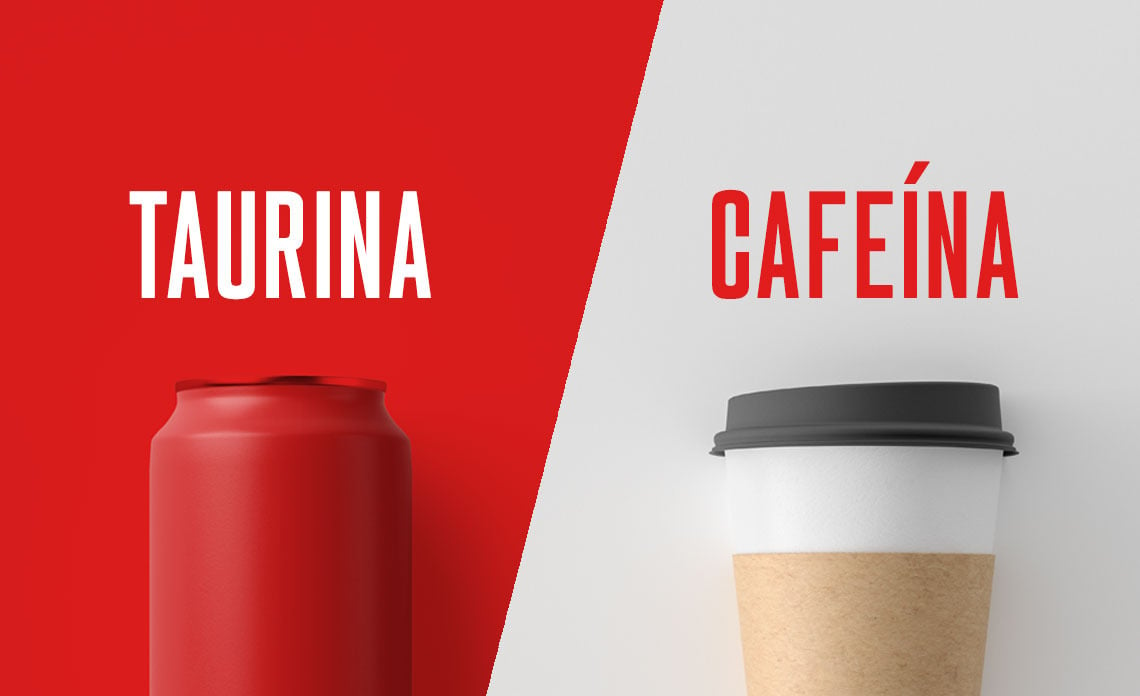
Taurine and caffeine share a can in many energy drinks and pre-workout formulas, but they do not do the same job. Caffeine activates; taurine, as far as research shows, regulates. Here is what each one does, which doses are used and when to take them before training or studying.
Taurine vs caffeine: how they differ
Which is better, taurine or caffeine?
Neither is better overall, because they do different things. Caffeine is a stimulant: it raises alertness and lowers perceived effort. Taurine is an amino acid the body already makes, and it does not stimulate. If you want to feel switched on before training, choose caffeine; taurine at most accompanies it.
This table sums up the differences that matter most before you choose.
| Feature | Taurine | Caffeine |
|---|---|---|
| Type of substance | Amino acid the body makes | Stimulant alkaloid |
| What it does | Helps balance water and minerals inside cells | Blocks adenosine receptors and removes the feeling of sleepiness |
| What you notice | Nothing like a buzz | More alertness and better focus after 30-60 minutes |
| Usual dose | 500 to 2,000 mg | 3 to 6 mg per kilo of body weight |
| Guideline limit | 3 g a day for healthy adults | 400 mg a day for healthy adults |
| Where it is found | Meat, fish and shellfish | Coffee, tea, cocoa and guarana |
Stimulant versus regulator
Picture your body as a car. Caffeine is the accelerator: the engine, which here is your nervous system, speeds up as soon as you press. Taurine is closer to the oil and the coolant: it adds no speed, but it helps the parts run without overheating. That is an image to make it easy to grasp, and what has actually been measured for taurine is far more modest than the comparison suggests.
Caffeine: how it works and what it adds to training
Caffeine is the most widely consumed psychoactive substance in the world. It is in coffee, tea and cocoa, and in anhydrous or guarana form in sports gels, bars and capsules.
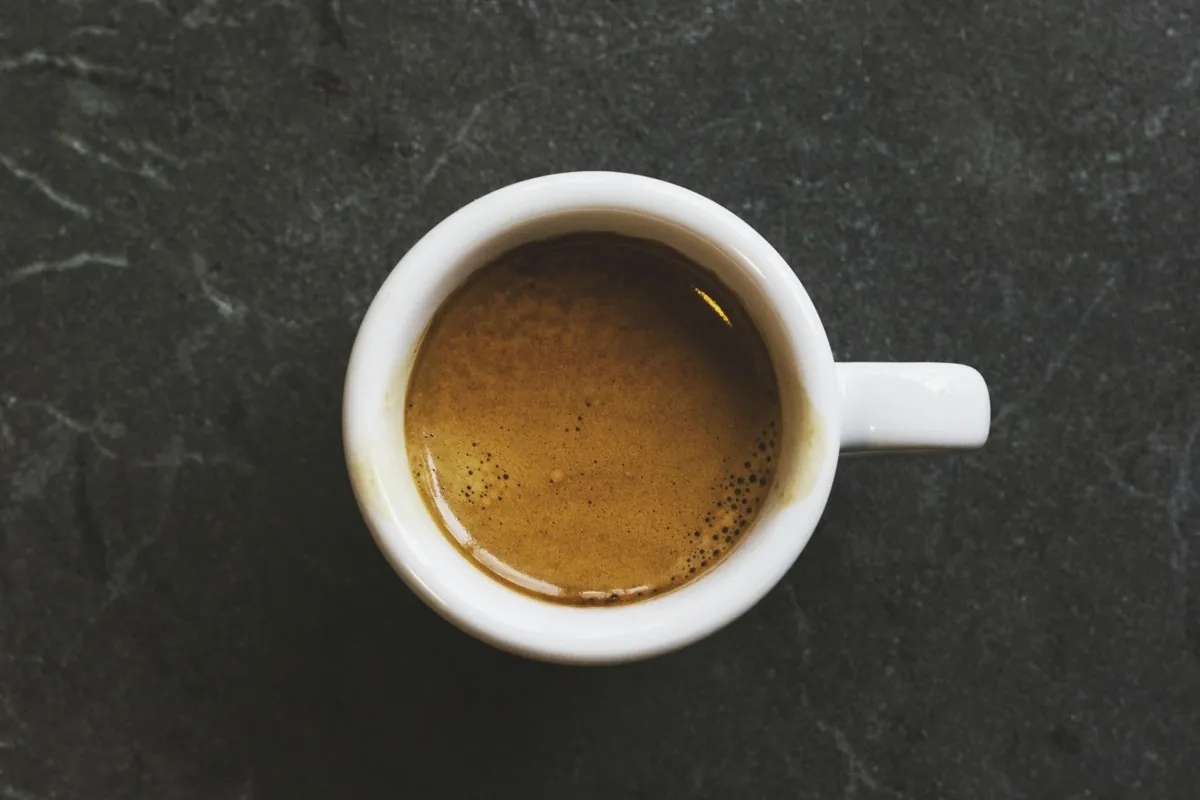
How it blocks adenosine
During the day your brain builds up adenosine, a molecule that fits into receptors on neurons and slows them down until sleep arrives. Caffeine has a very similar shape and takes up those receptors without switching anything off. The tiredness signal never gets through and you feel awake.
In sport, caffeine increases endurance capacity and reduces perceived effort when you take at least 3 mg per kilo of body weight about 60 minutes beforehand. It also sharpens concentration, which shows up when you study or play sports that need precision.
Side effects and tolerance
If you overshoot the dose or you are sensitive, you may get nervousness, anxiety, a racing heart, stomach upset and poor sleep. With daily use the body adapts and the same amount stops feeling the same. Avoid it in the 6-8 hours before bed. If you are pregnant, have high blood pressure or are giving it to a minor, talk to your doctor first.
Does coffee contain taurine?
No. Coffee supplies caffeine and other compounds, but no taurine. Taurine is found in animal foods such as meat, fish and shellfish, and in energy drinks that add it. If you only drink coffee, you are taking caffeine on its own.
Taurine: what it does in the body
Even in the same can, taurine plays in a different league. It does not switch you on: the body already makes it and uses it in tissues with a lot of electrical and muscular activity.
What is taurine good for?
Taurine is an amino acid the body makes, found in large amounts in the heart, brain and muscle. It helps balance water and minerals inside cells and has antioxidant activity. As a supplement it is studied in sport, with modest results and no authorised health claim.
In athletes, researchers have looked at whether it delays fatigue or protects muscle from effort. Some studies point to a small effect and others find none, so there is no basis for promising that it prevents cramps or speeds up recovery. The same goes for the idea that it calms the nervous system: that is a hypothesis.
Where does taurine come from?
It was first isolated in the nineteenth century from ox bile (Bos taurus, hence the name). The story that it is taken from bull urine or semen is a myth. The taurine in supplements and drinks is made synthetically in a laboratory and is suitable for vegans.
Which foods are rich in taurine?
Animal foods: fish, shellfish such as scallops and mussels, and meat, especially the dark meat of chicken and turkey. Plant foods contain very little. Anyone who eats fish, meat or shellfish regularly already takes in taurine through the diet, with no need for a supplement.
Is taurine bad for you?
No. In healthy adults at usual doses it is well tolerated, and up to 3 g a day is considered safe. On its own it neither stimulates nor disturbs sleep. Its bad reputation comes mostly from energy drinks, which pair it with a lot of caffeine and sugar.
Who should not take taurine?
Check with your doctor first if you are pregnant or breastfeeding, have kidney or heart problems, or take medication. It is not intended for children either. In all those cases there is too little data to recommend it as a supplement, so the sensible choice is not to take it on your own.
Taurine and caffeine together
What happens if I mix taurine with caffeine?
At the doses in a can or a gel, a healthy adult tolerates them well. It has been suggested that taurine softens the jitters from caffeine, but that is a hypothesis with little evidence behind it. What counts is your total caffeine for the day, wherever it comes from.
Guarana, arginine and B vitamins in these formulas
These formulas often contain more ingredients. Guarana is an Amazonian seed that contains caffeine, and that caffeine counts towards your daily total. Arginine is added because of its link to nitric oxide, although it has no authorised health claim. Vitamins B6 and B12 contribute to normal energy-yielding metabolism, which is why they appear on the label.
One example with the composition in plain sight is the cola energy gel with caffeine and amino acids. Per 100 g it contains 164.6 mg of caffeine, 302.8 mg of L-taurine, 302.8 mg of L-arginine and 40.4 mg of guarana extract. A 40 g gel works out at about 66 mg of caffeine, about 121 mg of taurine and 27 g of carbohydrate. The label says one gel every 30-45 minutes without going over 400 mg of caffeine a day from all sources, and it is not recommended for children, pregnant women or while breastfeeding.
If you would rather chew, the red berries gummy bar gives 80 mg of caffeine per bar and 23 g of carbohydrate, with no taurine, and it is vegan. Padel players have an option made for the court in the functional nutrition range for padel.
Dose and timing
How much caffeine can you have in a day?
EFSA considers up to 400 mg a day safe for healthy adults, in doses of 200 mg or less; in pregnancy the ceiling drops to 200 mg a day. For training, studies use 3 to 6 mg per kilo of body weight, so start with 100-200 mg and see how you feel.
At 70 kg, 3 to 6 mg per kilo means 210 to 420 mg, a figure that already touches or exceeds EFSA's single-dose limit. That is why starting at 100-200 mg, checking your tolerance and only going up if needed makes sense. For taurine, sports studies use between 500 and 2,000 mg.
When to take them before training or studying
The usual advice is to take either one, or both, 30 to 60 minutes beforehand. That gives them time to be absorbed and start working when you need them. If you train in the evening, count the caffeine backwards: leaving 6-8 hours before bedtime saves you a bad night. For how it fits into the rest of your session, see the guide to pre-workout.
Which to choose for your goal
If you want a burst of alertness, caffeine
For a study session, a long meeting or a short, hard workout, caffeine does the job. It gives you the mental wake-up and the lower feeling of effort you are after, at a dose you can control.
If taurine interests you, keep expectations realistic
No proven effect justifies taking it alone to perform better. If you want to try it, the range in studies is 500 to 2,000 mg. It makes more sense if you eat little meat and fish, or if you already get it inside a formula you trust.
If you want both, choose a formula with the dose on show
The combination is common in gels and pre-workouts because each ingredient is cheap to add. Pick a product that declares the milligrams of each, and add up the caffeine from everything you take in the day.
