












Shopping Cart
There are no more items in your cart
Vegetarian athletes need around 10% more protein than meat-eaters to match performance and recovery. Five foods make that easier: oats, banana, broccoli, egg, and walnuts and almonds. Combined with smart planning and, when needed, a protein supplement, they cover both quick energy and long-term muscle repair.
Why Vegetarian Athletes Need a Smarter Protein Strategy
Motivation and effort are what get you through a workout, but nutrition is what makes the results stick. For anyone training regularly, food is as much a part of the routine as the workout itself, and that is especially true for vegetarian athletes, who have to be more deliberate about where their protein comes from.
According to guidance from the International Olympic Committee, vegetarian athletes should aim to consume about 10% more protein than athletes who get their protein from animal sources. That does not mean training on a vegetarian diet is harder, it just means the food choices matter a little more.
Do vegetarian athletes really need more protein than meat-eaters?
Yes. Guidance from the International Olympic Committee recommends that vegetarian athletes consume around 10% more protein than athletes who eat animal-based protein, since plant proteins are generally absorbed and used by the body slightly less efficiently.
What happens when a vegetarian athlete does not get enough protein?
Without enough protein, the body struggles to repair muscle fibers after training, recovery slows down, and over time athletes can experience reduced strength, longer soreness, and lower overall training capacity.
Five Key Foods for a Vegetarian Athlete's Diet
These five foods cover the two things a vegetarian athlete needs most: fast, reliable energy and enough protein to recover properly.
- Oats – Long-lasting energy, ideal for long training sessions.
- Banana – A fast energy boost, perfect right before or during a workout.
- Broccoli – Rich in anabolic-supporting properties that favor muscle building and recovery.
- Egg – High-quality, complete protein, essential for muscle repair and growth.
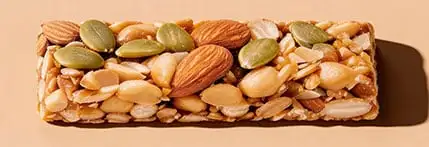
- Walnuts and almonds – A top source of essential fatty acids that support muscle recovery and boost energy.
Why is oatmeal a good energy source for endurance training?
Oatmeal releases its energy slowly thanks to its fiber and complex carbohydrate content, which helps keep blood sugar stable and provides steady fuel throughout longer training sessions.
When is the best time to eat a banana for quick energy?
A banana works best shortly before or during a workout, since its natural sugars are digested quickly and provide a fast source of usable energy when the body needs it most.
How does broccoli help with muscle recovery?
Broccoli contains compounds with anabolic-supporting properties along with vitamins and minerals that assist tissue repair, making it a useful addition to a vegetarian athlete's recovery meals.
Why are eggs considered a complete protein source?
Eggs contain all nine essential amino acids in proportions the body can use efficiently, which makes them one of the most effective foods for repairing and building muscle after exercise.
What role do walnuts and almonds play in recovery?
Walnuts and almonds are rich in essential fatty acids that support muscle recovery and help sustain energy levels, making them a practical snack between meals or after training.
Building a Balanced Vegetarian Training Diet
Getting these five foods into your routine is a strong start, but a full vegetarian training diet usually needs a bit more planning than a meat-based one, plus the right products to fill the gaps on demanding days.
Can plant-based foods alone meet an athlete's daily protein needs?
They can, but it usually takes more planning: combining sources like oats, eggs, legumes, and nuts throughout the day so the total amino acid intake matches what a meat-based diet would provide.
What supplements can help fill protein gaps in a vegetarian diet?
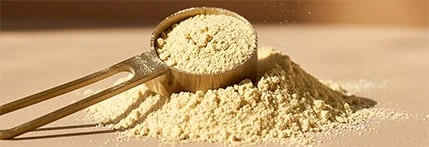
A quality whey or plant-based protein powder can help vegetarian athletes reach their daily protein targets on days when whole-food intake alone is not practical, especially around intense training sessions.
For an easy way to add extra energy to oats or a banana, our Healthy Peanut Butter is a 100% natural option that fits straight into a vegetarian athlete's routine. On days when whole food is not enough to hit your protein target, a scoop of Whey Protein after training helps close the gap without extra planning. Pair these choices with a solid training plan, browse our work-out articles for more ways to support a vegetarian athlete's routine.
Remember: if you have any doubts about your particular case, speak to a healthcare professional. Food supplements are not a substitute for a varied and balanced diet.
