











Shopping Cart
There are no more items in your cart
Whether you're a beginner or an experienced cyclist, nutrition is what separates an average ride from a great one. Before you go, focus on carbohydrates and hydration to fill your glycogen stores. During the ride, once you pass 60 minutes, keep sipping water and taking in gels or chewable energy every 30 to 40 minutes to cover your energy and electrolyte needs. Afterward, a mix of protein, creatine and glutamine within 30 to 60 minutes helps you rebuild muscle and recover for your next session.
Whether you're just starting out or you've been cycling for years, nutrition is key to riding well and recovering better. It's easy to assume that simply "getting out and pedaling" is enough, but the cyclists who keep improving know that smart supplementation makes a real difference.
At JustLoading, we make it simple: here's what to use at each stage of your ride, and why it matters.
Before You Ride: Load Up Your Energy
Before you set off, your goal is to fill your glycogen stores (your muscles' fuel tank) and start the ride properly hydrated.
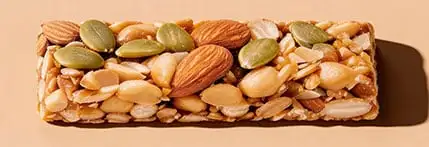
An oat-based energy bar is a solid choice here: thanks to its mix of oats and complex carbohydrates, it delivers steady energy without a sugar spike, and it's best eaten 60 to 90 minutes before you head out. If you're leaving earlier and don't want a full meal, a quicker option built around natural ingredients like dates and coconut works well too. Either way, drink water or a light drink 30 to 60 minutes before you start so you're not playing catch-up once you're on the bike.
What should I eat before a bike ride?
In the 60 to 90 minutes before you ride, aim for something that combines carbohydrates with a little natural sugar so you fill your glycogen stores without weighing you down, such as an oat-based energy bar or a quick snack built around dates and coconut.
How long before cycling should I eat?
Give yourself roughly 60 to 90 minutes between eating and starting your ride, which is usually enough time to digest and have that energy ready to use once you start pedaling.
Do I need to drink water before I start riding?
Yes, drinking water or a light drink 30 to 60 minutes before you set off helps you start the ride already hydrated instead of trying to catch up once you're on the bike.
Tip: plan your route around its length and elevation gain so you can adjust your pace and your nutrition needs accordingly.
During the Ride: Keep Your Energy and Hydration Up
Once you pass the 60-minute mark of effort, you need to start topping up energy and replacing the minerals you lose through sweat.
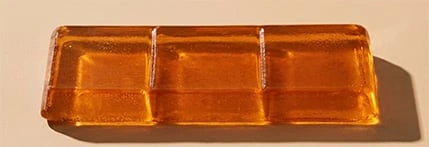
An isotonic energy gel hydrates and delivers electrolytes, which helps keep your performance steady. For key moments like climbs or sprints, a caffeinated energy gel gives you an extra push, and chewable energy gummies are an easy option to grab while you're still pedaling.
What should I eat during a long bike ride?
Once you pass the 60-minute mark, your body needs a steady supply of carbohydrates and electrolytes, which is why isotonic gels, energy gels with caffeine, and easy-to-chew energy chews are useful options to keep in your jersey pocket.
How often should I take energy gels while cycling?
On longer rides, alternating gels and bars roughly every 30 to 40 minutes helps keep your energy levels steady, alongside small, regular sips of water.
Why do I need electrolytes when cycling?
Electrolytes such as sodium are lost through sweat as you ride, and replacing them during the effort helps you maintain performance and avoid the drop in energy that comes with dehydration.
Tip: on longer routes, alternate gels and bars roughly every 30 to 40 minutes, and take small, regular sips of water throughout.
After the Ride: Recover Muscle and Refuel Your Reserves
This is where a lot of cyclists fall short: recovery is what actually lets you improve day after day.
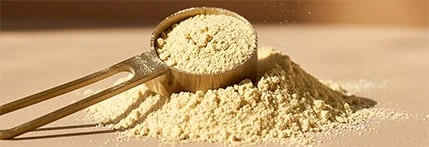
Protein powder helps rebuild the muscle fibers stressed during your effort. Creatine supports the recovery of strength and improves your capacity for repeated efforts, while glutamine helps limit muscle breakdown and supports your immune system's recovery after intense sessions.
What should I eat after cycling to recover faster?
After a ride, combining a source of protein with carbohydrates within the first 30 to 60 minutes helps repair the muscle fibers stressed during the effort and refill the glycogen you used up.
Does creatine help cyclists?
Creatine supports the recovery of strength and helps your muscles perform better across repeated efforts, which is useful for cyclists doing intervals, climbs, or back-to-back training days.
Consider adding creatine to your recovery routine if your rides include repeated hard efforts, since it's one of the most studied supplements for supporting strength and performance across sessions.
What is glutamine used for after exercise?
Glutamine helps reduce muscle breakdown after intense effort and supports the recovery of your immune system, which tends to be more vulnerable following long or demanding rides.
When should I take recovery supplements after a ride?
The 30 to 60 minutes right after you finish riding is the window where recovery supplements work best, ideally paired with carbohydrates to help refill your glycogen stores.
Remember, cycling nutrition isn't just about performance, it's also about your long-term health and progress. Listen to your body, adjust your strategy to match how hard each ride is, and lean on JustLoading's supplements as allies for enjoying cycling every day with more energy, strength and motivation. Because in the end, it's not just about pedaling harder, it's about pedaling better.
Remember: if you have any doubts about your particular case, speak to a healthcare professional. Food supplements are not a substitute for a varied and balanced diet.
