












Shopping Cart
There are no more items in your cart
Glutamine is usually filed under "muscle recovery," but it also plays a real role in gut health. It is a conditionally essential amino acid that helps repair the intestinal lining, support gut immunity, and ease the intestinal permeability known as leaky gut. Most people get enough from meat, fish, dairy, and legumes, but a daily dose of around 5 grams is a simple way to top it up, and it pairs well with protein or creatine.
Glutamine's role in the gut is one of its most overlooked benefits. It is best known as a supplement for muscle recovery, since it plays a fundamental part in rebuilding muscle tissue after training. But glutamine also does a lot of quiet work in the digestive system.
Below, we cover what glutamine actually is, where to get it, the main ways it supports digestive health, and how to fit it into a daily routine.
What Is Glutamine?
Glutamine is a non-essential amino acid that plays a crucial role in digestive health. The body produces it on its own, but under stress, illness, or nutritional imbalances, demand can outpace natural production. In those situations, glutamine is better described as conditionally essential.
What is glutamine?
Glutamine is a non-essential amino acid that becomes conditionally essential during stress, illness, or intense training, when the body's demand outpaces what it can produce on its own.
Chemically, glutamine is an alpha-amino acid with a side chain that contains both an amine group and a carboxyl group. That structure makes it a key building block for protein synthesis, and it also acts as a major carrier of nitrogen between tissues and organs.
Is glutamine essential or non-essential?
The body can synthesize glutamine on its own, but under high physical or physiological stress the demand can exceed natural production, which is why it is described as conditionally essential.
Food Sources of Glutamine
Glutamine shows up in a wide range of foods, both animal and plant-based:
- Chicken, turkey, beef, and pork
- Fish and seafood
- Dairy: milk, yogurt, cheese
- Eggs
- Spinach and kale
- Beans, lentils, and chickpeas
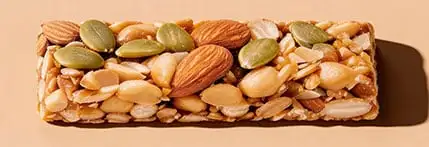
- Nuts and seeds
What foods are highest in glutamine?
Chicken, turkey, beef, pork, fish, seafood, dairy products, eggs, spinach, kale, beans, lentils, chickpeas, nuts, and seeds are all natural sources of glutamine.
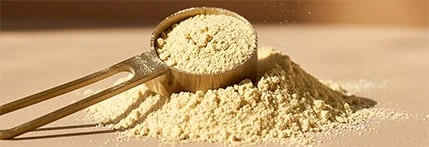
If food alone doesn't feel like enough, some people choose to supplement. JustLoading's neutral-flavor glutamine mixes easily into a shake or a plain glass of water, which makes it simple to hit a daily target without changing your diet.
Glutamine's Benefits for Digestive Health
How does glutamine support the gut lining?
Glutamine is a building block for protein synthesis and helps maintain and repair the intestinal mucosa, the thin layer that lines the gut and protects it from damage and harmful pathogens. This matters most when that lining is already under strain, such as during inflammatory bowel conditions or gastrointestinal infections.
The gut is also a major part of the immune system, since it is constantly exposed to microorganisms and antigens from the food you eat. Glutamine helps regulate that intestinal immune response, supporting a more balanced reaction and helping to keep excess inflammation in check.
Can glutamine help with leaky gut?
Glutamine helps protect intestinal cells and preserve the structure of the gut barrier, which can reduce the intestinal permeability commonly known as leaky gut. When that barrier is compromised, unwanted substances and toxins can pass into the bloodstream and trigger inflammation, so keeping it intact matters for overall gut function.
A healthy mucosa and an intact gut barrier are also what allow the body to absorb nutrients properly. When the gut is damaged or inflamed, absorption of vitamins, minerals, and amino acids can drop, so supporting the lining indirectly supports overall nutritional status.
Can glutamine reduce IBS symptoms?
Some research suggests glutamine supplementation may ease certain Irritable Bowel Syndrome symptoms by supporting gut repair and helping to calm inflammation. Irritable Bowel Syndrome itself involves abdominal pain, bloating, changes in bowel habits, and general discomfort, and it's a common reason people look into gut-focused supplements in the first place.
Glutamine is not a cure-all. If you have ongoing digestive concerns or persistent symptoms, it's worth talking to a healthcare professional for a proper diagnosis and a tailored plan, rather than relying on a supplement alone.
How to Add Glutamine to Your Daily Routine
Given everything glutamine can do for gut health, it's worth paying attention to whether your diet already covers it. If you suspect it doesn't, a supplement is a straightforward way to close the gap.
How much glutamine should I take per day?
A common recommendation is around 5 grams of glutamine a day, typically one 5.3 g scoop dissolved in 200 ml of water.
When is the best time to take glutamine?
Glutamine can be taken at any time that fits your routine, though many people choose to take it on waking, before training, after training, or before bed.
Can Glutamine Be Combined With Other Supplements?
Glutamine mixes well with other supplements, so it doesn't have to be an isolated addition to your routine.
Can glutamine be combined with protein or creatine?
Yes, glutamine can be safely combined with other supplements such as whey protein, creatine, or vitamin C as part of a broader supplementation routine. That could mean stacking it with a protein powder shake after training, or alongside creatine if strength and power output are part of your goals.
Glutamine is a solid ally for keeping your digestive system in good shape. Working it into your daily routine, whether through food or a supplement, is a small habit that can support overall wellbeing. As always, if you have specific health concerns, a healthcare professional is the right person to confirm what your body actually needs.
Remember: if you have any doubts about your particular case, speak to a healthcare professional. Food supplements are not a substitute for a varied and balanced diet.
