








Shopping Cart
There are no more items in your cart
TL;DR: after training, have between 20 and 40 grams of quality protein together with carbohydrates in a roughly 1:2 or 1:3 ratio (protein:carbs). The useful window is 1 to 2 hours, not 30 minutes. Adjust the amount of carbohydrates to your goal: more if you are after muscle mass, less if you are after fat loss.
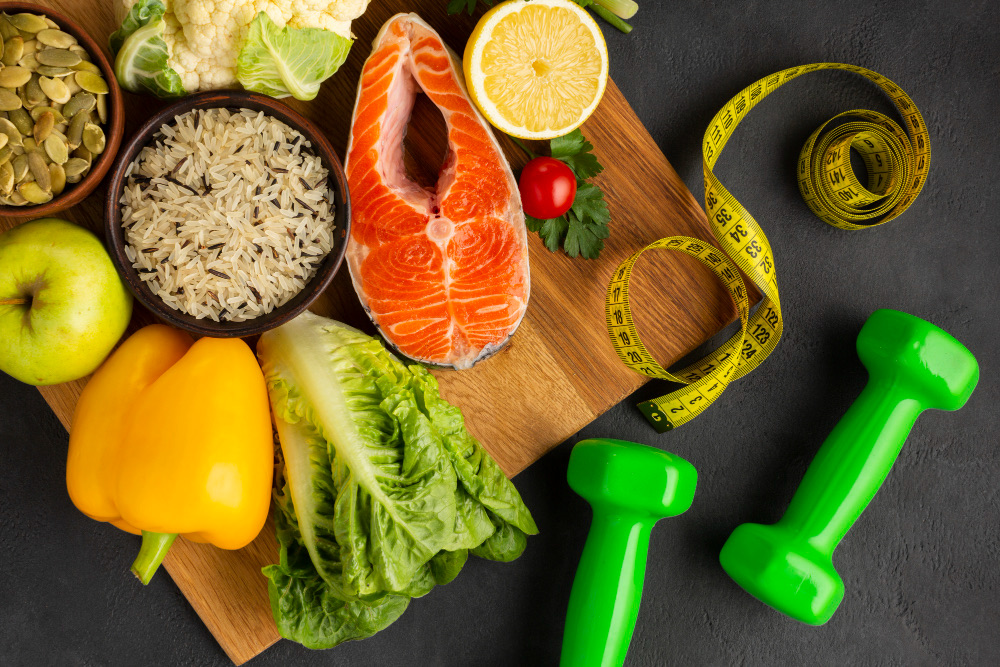
You have finished your workout. You gave it everything, you sweated and you pushed your limits. Congratulations! But the work does not end when you put down the last dumbbell. In fact, one of the most important parts of your progress starts now, in the kitchen. What you eat after the gym is as crucial as the training itself for reaching your goals, whether that is building muscle, losing fat or simply recovering faster.
In this complete guide we explain, clearly and simply, everything you need to know about post-workout nutrition so you get the most out of every session.
Why is what you eat after training so crucial?
Picture your body as a racing car after an intense competition. It needs fuel, repairs and good maintenance to be ready for the next one. Something similar happens in your body. After training, your body is in a state that needs immediate attention for three key processes.
Glycogen replenishment: restore your energy to the max
During exercise, your muscles use their main energy source: glycogen. Think of it as the petrol in your muscles. When you finish an intense session, those stores are low or almost empty. Consuming the right nutrients, mainly carbohydrates, helps refill them quickly, which gives you energy for the rest of the day and leaves you ready for your next workout.
Muscle repair and growth: the key role of protein
Strength training in particular creates micro-tears in the muscle fibres. Do not worry, that is a good thing! It is the signal your body needs to repair itself and become stronger. For this "rebuilding work" it needs the right materials: amino acids, the blocks that make up proteins. Getting protein in after training is essential to repair that damage, support muscle growth and improve your strength in the long term.
Reducing cortisol and post-exercise inflammation
Exercise is a type of positive stress for the body, but it still releases cortisol, the well-known "stress hormone". Keeping cortisol levels high for a long time can hinder recovery and muscle growth. A balanced post-workout meal helps bring those levels down and shift from a "catabolic" state (breakdown) to an "anabolic" one (building), as well as helping control the natural inflammation that occurs.
The pillars of your post-workout meal: which macronutrients do you need?
For optimal recovery, your post-gym meal should focus on two main macronutrients, without forgetting the importance of the others.
Protein: how much, when and what type
Protein is the queen of recovery. After training, your body is especially receptive to it. The target is to consume between 20 and 40 grams of high-quality protein. The best sources are those your body absorbs and uses efficiently, such as whey, chicken, fish, eggs, or legumes combined with grains if you follow a plant-based diet. A high-quality whey protein shake is one of the fastest and most effective options.
Carbohydrates: the fuel to refill your stores
Carbohydrates are essential to replace the muscle glycogen you have used. The amount will depend on the intensity and duration of your training, but a good general rule is to combine protein and carbohydrates in a 1:2 or 1:3 ratio (protein:carbs). Go for easily digestible sources such as white rice, potato, banana, oats or honey. These help restore energy without overloading your digestive system.
Healthy fats and micronutrients for complete recovery
Although the immediate priority is protein and carbohydrates, you should not forget healthy fats. A little avocado, nuts or olive oil in your post-workout meal is beneficial for hormonal health and for reducing inflammation. Omega-3 fatty acids, found in oily fish, are particularly interesting for their anti-inflammatory properties.
What is the best post-workout meal for your goal?
We do not all have the same goals. Your post-workout meal should adapt to what you are trying to achieve.
| Goal | What to prioritise | Example meal | Practical key |
|---|---|---|---|
| Build muscle mass | Calorie surplus, protein + carbohydrates | Grilled chicken with white rice and broccoli | Nutrient-dense meal |
| Lose fat | High protein, controlled calories | Scrambled egg whites with spinach and wholemeal bread | Satiety without losing muscle |
| Grow glutes | Same as bulking, focused on lower body | Salmon with sweet potato or a quinoa bowl | Enough calories and protein |
| Recover quickly | Protein + carbohydrates + anti-inflammatories | Oily fish with berries and turmeric | Reduces soreness and inflammation |
What should you eat after the gym to build muscle mass?
If your goal is bulking, you need a calorie surplus and a generous supply of protein and carbohydrates to maximise muscle protein synthesis. Your meal should be nutrient-dense.
High-protein meal and shake ideas for bulking
- Grilled chicken breast with a good portion of white rice and broccoli.
- Baked salmon with roasted sweet potato and asparagus.
- A powerful shake with protein powder, a banana, milk, oats and a spoonful of peanut butter.
- For extra convenience, ready-to-drink shakes are a perfect option to feed your muscles instantly.
The role of rice flour and oats in your post-workout
Both oats and rice flour are excellent carbohydrate sources for after training. They are easy to digest, refill glycogen effectively and are very versatile to add to your shakes, creating a complete liquid meal that is quick to absorb.
What should you eat after the gym to lose fat or lose weight?
Here the key is satiety and calorie control. Protein remains the star for preserving muscle mass while you are in a calorie deficit, but you will adjust the amount of carbohydrates and fats.
Light, filling options that do not compromise your results
- Scrambled egg whites with spinach and a slice of wholemeal bread.
- Plain Greek yoghurt with a handful of berries and chia seeds.
- Steamed white fish with sautéed vegetables.
- A low-sugar protein bar if you need a quick, controlled option.
How to balance macros to boost fat burning
Prioritise a high protein intake to maintain muscle and increase satiety. Include a moderate portion of complex carbohydrates to restore the minimum energy you need, and always add a good amount of vegetables for fibre and micronutrients with very few calories.
What should you eat after the gym to grow your glutes?
The principle is the same as for building muscle in general, but with a focus on the lower body. Strength training centred on the glutes should be paired with a diet with enough calories and, above all, protein. Foods such as chicken, salmon, eggs, cottage cheese, legumes and quinoa are your best allies, combined with quality carbohydrates such as sweet potato or brown rice.
What should you eat so muscles recover fast and soreness eases?
To fight soreness and speed up recovery, alongside the protein-carbohydrate combo you can include foods with natural anti-inflammatory properties. Berries, turmeric, ginger, broccoli and fish rich in Omega-3 will help you reduce inflammation and muscle pain.
Your post-gym menu: ideas for every time of day
If you train in the morning: restorative, energising breakfasts
A post-workout breakfast should recharge you for the rest of the day.
- Oat porridge: cook oats with milk or water and add a scoop of vanilla protein powder, banana slices and a handful of walnuts.
- Loaded toast: two slices of wholemeal bread with avocado, turkey and two fried eggs.
If you train at midday or in the afternoon: complete lunches and snacks
A balanced meal or snack to restore your energy and carry on with your day.
- Quinoa bowl: a quinoa base with chickpeas, strips of chicken breast, red pepper and a lemon dressing.
- Quick snack: Greek yoghurt with honey and an apple, or one of our healthy, practical snacks.
What should you eat after the gym at night so you do not ruin your rest?
If you train late, you need a dinner that supports recovery without being heavy or affecting your sleep. Go for easily digestible protein and vegetables.
- Courgette soup with grilled hake.
- Cottage cheese with a little honey and cinnamon.
- Grilled turkey breast with sautéed mushrooms.
Perfect timing: when should you eat after the gym?
The anabolic window: myth or reality?
For years people talked about a 30-minute "anabolic window" in which you absolutely had to consume protein. Current science tells us that, while it is important to eat after training, that window is much wider, 1 to 2 hours post-exercise. There is no need to rush to the shaker, but do not let too much time pass either. The most important thing is to secure your total nutrient intake across the day.
What happens if you eat nothing after training? The real consequences
Skipping the post-workout meal can have negative consequences. You will delay muscle recovery, you will not properly refill your glycogen stores and you could feel more fatigue and muscle soreness. In the long run you will be sabotaging your own progress, since your body will not have the resources to adapt and improve.
Post-workout nutrition for women: are there special considerations?
The basic principles of protein and carbohydrates are the same for men and women. The differences lie mainly in the amounts, which should be adjusted to body weight, goals and type of training. Some women may need to pay particular attention to iron intake, a key mineral lost through sweat, so including foods such as spinach or lean red meat can be beneficial.
Mistakes to avoid: what should you not eat after training?
Knowing what to avoid is as important as knowing what to eat, so you do not throw away all your effort.
Foods and drinks that sabotage your muscle recovery
- High-fat meals: pizza, chips or fried food in general slow down digestion and the absorption of the nutrients your muscles urgently need.
- Sugary drinks and alcohol: soft drinks provide empty calories, and alcohol dehydrates you and directly interferes with protein synthesis.
- Ultra-processed foods: industrial pastries or salty snacks do not provide the quality nutrients needed for good recovery.
Does eating after exercise make you gain weight? Busting the myth
Absolutely not. Gaining or losing weight depends on the total calorie balance of your day and your week, not on a single meal. In fact, not eating after training is counterproductive. A well-planned post-workout meal speeds up your recovery, supports the building of muscle mass (which in turn raises your metabolism) and helps you control your appetite later, avoiding possible binges. It is an investment in your results, not an obstacle.
Frequently asked questions about what to eat after the gym
How much protein should you have after training?
The recommendation is to have between 20 and 40 grams of high-quality protein after training. Sources such as whey, chicken, fish or eggs are absorbed and used efficiently to repair muscle tissue.
How long do you have to eat after the gym?
The useful window is wider than previously thought: between 1 and 2 hours after exercise. There is no need to rush to the shaker, but you should not let too much time pass. What matters most is still your total nutrient intake across the day.
What should you eat after the gym to build muscle?
You need a calorie surplus with a generous supply of protein and carbohydrates. Typical options are grilled chicken with white rice and broccoli, baked salmon with sweet potato, or a shake with protein powder, banana, oats and peanut butter.
What should you eat after the gym to lose fat?
The key is satiety and calorie control, keeping protein high to preserve muscle mass. Good options are scrambled egg whites with spinach, Greek yoghurt with berries and chia seeds, or steamed white fish with vegetables.
Does eating after exercise make you gain weight?
No. Gaining or losing weight depends on your total calorie balance across the day and the week, not on a single meal. In fact, not eating after training is counterproductive, because it slows recovery and leaves you hungrier later.
What happens if you eat nothing after training?
You will delay muscle recovery, you will not properly refill your glycogen stores and you are likely to feel more fatigue and muscle soreness. In the long run it limits your progress, because your body lacks the resources to adapt and improve.
What should you eat after the gym at night?
If you train late, choose easily digestible protein and vegetables so dinner is not heavy or disruptive to your sleep. For example, courgette soup with grilled hake, cottage cheese with honey and cinnamon, or turkey breast with sautéed mushrooms.
Which foods should you avoid after training?
It is best to avoid very high-fat meals such as fried food or pizza, because they slow digestion and nutrient absorption. Also sugary drinks and alcohol, which interferes with protein synthesis, and ultra-processed foods.
