












Shopping Cart
There are no more items in your cart
Every sport puts a different kind of stress on your body, so the supplements that work for a cyclist aren't the same ones a swimmer needs. This guide breaks down what to take for cycling, running, trail running, marathons, gym training, padel, tennis and swimming, covering gels, protein, creatine, BCAAs and recovery aids for each one. Pick the products that match your sport, not a generic list, and you'll notice the difference in performance and recovery.
Reading time: about 6 minutes
Every sport has its own demands, and choosing the right supplements can make a real difference to your performance and recovery. Whether you're into cycling, running, trail, marathons, half marathons, gym training, padel, tennis or swimming, here's a complete rundown of products to help you reach your best version.
1. Cycling
Cycling is an endurance sport, and staying strong through long routes means leaning on supplements that keep your energy up and speed up recovery. These products are a great fit:
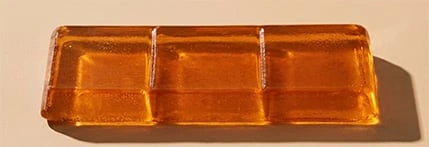
- Lime and lemon isotonic gel: replaces electrolytes and energy during the ride.
- Red berries instant drink: keeps your energy levels and hydration steady.
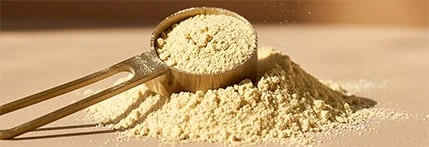
- Creatine monohydrate: builds power and muscular strength for climbs and sprints.
- Glutamine: speeds up muscle recovery and supports your immune system.
- Vanilla and chocolate whey protein: helps repair your muscles after the effort.
- Orange BCAAs: cuts down muscle fatigue and extends endurance.
If strength on climbs and sprints is your main goal, creatine monohydrate is usually the first product worth adding to your routine.
Do cyclists really need creatine?
Creatine monohydrate is one of the most useful supplements for cyclists because it increases power output for climbs and sprints, letting you push harder during the most demanding parts of a ride.
2. Running
For runners, keeping your energy steady and limiting muscle breakdown over long distances is essential. These products help:
- Strawberry and kiwi energy gel: a quick energy boost during training or races.
- Cookie-flavour protein bar: a great option before or after a run.
- Orange BCAAs: prevents muscle breakdown and improves performance.
- Chocolate whey protein: ideal for muscle recovery after an intense session.
- Isotonic gel: helps keep fluid and electrolyte balance while running.
- White chocolate and yoghurt energy flapjack: a perfect quick-energy snack for the day.
- Neutral-flavour creatine monohydrate: improves race performance and speeds up recovery after hard running sessions.
What should runners eat right before a race?
A fast-digesting energy gel or a cookie-flavour protein bar in the thirty to sixty minutes before a race gives you a quick, reliable source of energy without weighing down your stomach.
3. Trail Running
Trail running asks for both endurance and energy, especially over uneven ground. These products are built for that challenge:
- Cola energy gel with caffeine and amino acids: gives a boost of energy and endurance for your toughest routes.
- Glutamine: speeds up muscle recovery and supports your immune system.
- Orange BCAAs: keeps your muscles in shape through long, difficult races.
- Vanilla whey protein: perfect for repairing muscle after intense training.
- Peanut energy bar with probiotics: helps maintain energy and digestive balance during the race.
How is trail running nutrition different from road running?
Trail running covers longer distances over uneven terrain, so it demands more sustained energy and muscle support, which is why runners often lean on caffeinated energy gels, glutamine and probiotic energy bars to get through tough, technical routes.
4. Marathon and Half Marathon
For marathons and half marathons, the products that keep your energy up, help prevent injury and speed up recovery are essential:
- Isotonic gel: keeps fluid and electrolyte balance throughout the whole distance.
- Orange pre-workout: gives you an energy boost before training or racing.
- Chocolate and vanilla whey protein: helps your muscles regenerate after the race.
- Omega-3 pearls: helps ease inflammation and supports recovery.
- Glutamine: eases muscle recovery and reduces post-race soreness.
Pairing these with a steady base of recovery vitamins and minerals gives your body extra support to bounce back from the distance.
What supplements help most with marathon recovery?
Whey protein, omega-3 and a solid base of vitamins and minerals work together after a marathon, supporting muscle repair, easing inflammation and helping your body bounce back faster from the distance.
5. Gym and Basic Training Routines
To improve your strength, endurance and muscle mass, these supplements are ideal for gym sessions or general training routines:
- Creatine monohydrate: increases your strength and power during high-intensity training.
- Chocolate and vanilla whey protein: essential for muscle recovery and growth.
- Apple pie flavour energy flapjack: a perfect snack for quick, wholesome energy.
- Lime and lemon BCAAs: prevents muscle fatigue and speeds up recovery.
- ZMA: supports better sleep quality and overnight muscle recovery.
- Stracciatella protein bar: ideal to have before or after your training session.
Since whey protein and creatine are the two pillars of most gym routines, it's worth getting both dialled in before worrying about anything else.
Is creatine or protein more important for gym training?
They work best together rather than as rivals: creatine increases the power and strength you can produce during a lifting session, while protein supplies the building blocks your muscles need to repair and grow afterward.
Can ZMA really improve your sleep?
Yes, ZMA is commonly used to support better sleep quality, and since most muscle recovery happens while you sleep, taking it in the evening can also help with overnight recovery from training.
6. Padel and Tennis
In these racquet sports, you need explosive energy and quick muscle recovery. The following products help you get the most out of your game:
- Cola energy gel with caffeine and amino acids: boosts endurance and energy during matches.
- Orange BCAAs: keeps your muscles in good shape throughout play.
- Caffè latte protein bar: a great post-match snack to repair your muscles.
- Almond and banana energy bar: keeps your energy levels steady between sets.
- Isotonic gel: keeps fluid and electrolyte balance during long sessions.
- Creapure creatine, lemon flavour, 150 g: supports muscle recovery and improves performance after demanding training or matches.
What's the best snack after a padel or tennis match?
A protein bar, such as a caffè latte flavoured one, is an easy, practical way to give your muscles what they need to repair right after a match, especially when a full meal isn't an option yet.
7. Swimming
Swimming demands both endurance and strength, and these products help you keep up your performance and recovery:
- Cocoa-flavour vegan protein: a great plant-based option for those who want to top up protein after swimming.
- Isotonic gel: supplies the electrolytes you need to stay hydrated through long sessions in the water.
- Glutamine: eases muscle recovery and supports your immune system.
- Lime and lemon BCAAs: prevents muscle breakdown and keeps your energy up during training.
- Chocolate whey protein: perfect for repairing your muscles after swim training.
- Chocolate and cappuccino energy flapjack: a good snack between sessions or after swimming.
Can vegans get enough protein for swim training?
Yes, a cocoa-flavour vegan protein is a solid plant-based option for topping up your protein intake after swim training, giving your muscles what they need to recover without any animal-based ingredients.
Choosing the Right Supplements for Your Sport
No matter which sport you practise, choosing the right products for your nutrition and recovery is key to improving your performance and keeping your body in its best shape. Whether you cycle, run, train at the gym, play tennis or swim, there's a wide range of supplements to help you reach your goals. Don't underestimate what the right supplementation can do for you.
How do I choose the right supplement stack for my sport?
Match the format to the demand: endurance sports like cycling, running and swimming lean on isotonic gels, electrolytes and BCAAs, while strength and power sports like gym training benefit more from creatine and protein, and racquet sports need a mix of quick energy and fast muscle recovery.
Remember: if you have any doubts about your particular case, speak to a healthcare professional. Food supplements are not a substitute for a varied and balanced diet.
