What are proteins and what properties do they have?
Protein is not just the most fashionable nutrient; it is the main component of our muscles and tissues, and it has a fundamentally structural function. Along with carbohydrates and fats, it is one of the three essential macronutrients for life. Therefore, consuming quality proteins in our diet is essential for health.
Protein requirements can vary depending on several factors, including age, health status, and physical activity. Another factor that can influence these requirements is certain types of diets, such as the Keto diet (which eliminates carbohydrates).
What characteristics does protein have?
- 1 gram of protein will provide only 4 kcal. It is the macronutrient with the lowest caloric content, compared to the 7 kcal provided by 1 gram of carbohydrates or the 9 kcal from fats.
- It is the essential nutrient: we are made up of organs and tissues, which consist of fibers, and in which protein plays a structural role.
- It is satiating: The protein diet is used not only for its low caloric intake but also because it has been scientifically proven that its consumption will keep you full for much longer, along with fiber. Why? Because its digestion is slower than that of other nutrients.
What are proteins made of?
The structure of a protein is made up of amino acids, molecules found in both animal and plant-based foods. Of the 22 types of amino acids that exist, our body cannot synthesize 10 of them, so we need to pay attention to our diet to obtain the full amount. These amino acids that we cannot produce are called essential amino acids.
What protein-rich foods can you find?
As mentioned earlier, there are animal and plant-based proteins. Both are valid and nutritionally optimal, but animal protein is naturally complete, as it contains all amino acids. Plant-based or vegan proteins are deficient in some amino acids, so in the case of strict vegetarians or vegans, it is recommended to combine different food types that complement each other to achieve a complete and high-quality protein. This is called protein complementation.
Plant-based protein foods
- Legumes: They are the plant group with the highest protein content (up to 26%), as well as a multitude of other benefits like fiber, B vitamins, and minerals. Chickpeas, lentils, peas, and white beans are the most popular and commonly used, also as the base for creating plant-based protein.
- Spirulina: This superfood has one of the highest protein percentages (up to 65% of its nutritional value is protein). For this reason, it has earned its place on the list, as even though it is not consumed in large quantities but added to your recipes, it provides an incredible number of benefits.
- Nuts and seeds: With an average of 23 grams of protein per 100 grams of product, they offer great benefits. You can eat them as snacks (always choose those without salt or fried!) or add them to your recipes (salads, smoothies, etc.). Our favorites? Chia or pumpkin seeds, almonds, and cashews. If you want to learn more about the benefits of nuts, check out this post on our blog.
- Soy: Products such as tofu, tempeh, miso, or textured soy are food items derived from this ingredient, allowing us to create numerous healthy recipes.
Did you know... Legumes are low in the amino acid lysine, while cereals like rice are low in methionine? This is why lentils are often consumed with rice! It helps us create a complete meal.
Animal-based protein foods
- Eggs: They are the food with the highest biological value protein, so much so that they are used as a reference. Contrary to popular belief, the yolk also contains protein in addition to its well-known fatty acids.
- White meat (and less frequently red meat): White meat is considered one of the foods with the highest protein percentage and is widely used in weight loss diets due to its low fat and carbohydrate content. We highlight poultry like chicken and turkey, as well as other meats such as rabbit and certain cuts of pork like tenderloin. Although red meat contains a very high amount of quality protein, it is recommended to moderate its consumption (no more than one serving per week) due to its saturated fat content and other substances that are not as beneficial to health.
- White and oily fish: Did you know it is recommended to eat white fish at least twice a week and oily fish once a week? This recommendation is based on its high protein content. Hake, bass, salmon, and tuna are delicious and easy-to-digest fish with excellent nutritional value.
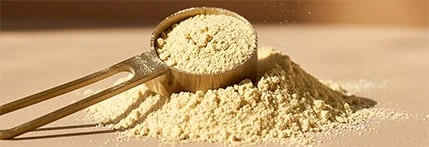
- Dairy products and derivatives: Although milk does not stand out too much for its protein content (100ml of whole milk contains approximately 3 grams), it is the primary ingredient used to make protein powders. Other dairy products, such as yogurt, kefir, and certain cheeses, contain a higher percentage of protein.
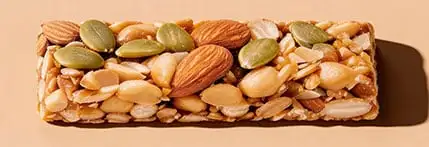
Other protein sources: Protein bars and protein shakes
The general population meets its protein needs through food. However, people who train intensely, wish to lose weight, or have a fast-paced lifestyle may use nutritional supplements to help reach the recommended daily protein intake.