












Shopping Cart
There are no more items in your cart
TL;DR: there are eight types of vegetarian diet: lacto-ovo, lacto, ovo, api, vegan, raw vegan, fruitarian and flexitarian. All exclude meat and differ in the animal foods they admit (eggs, dairy, honey). On a vegan diet vitamin B12 must always be supplemented, and athletes should also watch protein, iron, calcium, iodine, omega-3 and vitamin D.
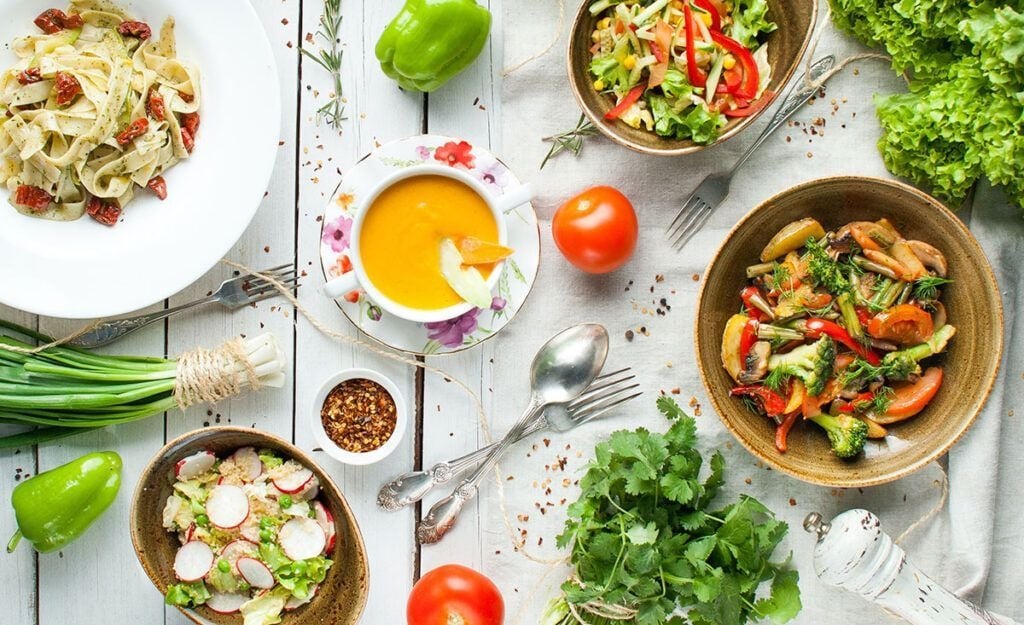
People often think there are only two vegetarian diets, vegan and lacto-ovo vegetarian, but there are more. All of them exclude meat, and from there each one decides which other animal foods it admits. This guide covers the eight most common ones in a table, explains each and ends with what athletes should watch.
How many types of vegetarian diet are there
Vegetarian diets change over time, and every few years a new variant appears. The table lists the ones most often named, from the most open to the strictest, except the flexitarian, which comes last because it does not rule out meat altogether.
| Type | Eats | Does not eat |
|---|---|---|
| Lacto-ovo vegetarian | Plant foods, eggs and dairy | Meat and fish |
| Lacto vegetarian | Plant foods and dairy | Meat, fish and eggs |
| Ovo vegetarian | Plant foods and eggs | Meat, fish and dairy |
| Api vegetarian | Plant foods and honey | Meat, fish, eggs and dairy |
| Vegan | Plant foods only | Any animal-derived food, honey included |
| Raw vegan | Plant foods raw or cooked below 42 °C | The same as vegan, and nothing cooked at a higher temperature |
| Fruitarian | Fruit, with some nuts, seeds and vegetables | Almost everything else |
| Flexitarian | A plant-based diet with occasional meat or fish | Meat and fish every day |
What are the types of vegetarian diet?
The main ones are lacto-ovo vegetarian, lacto vegetarian, ovo vegetarian, api vegetarian, vegan, raw vegan, fruitarian and flexitarian. They differ in the animal foods they admit: eggs, dairy, honey or, in the flexitarian case, some meat and fish.
Lacto-ovo vegetarian and its variants
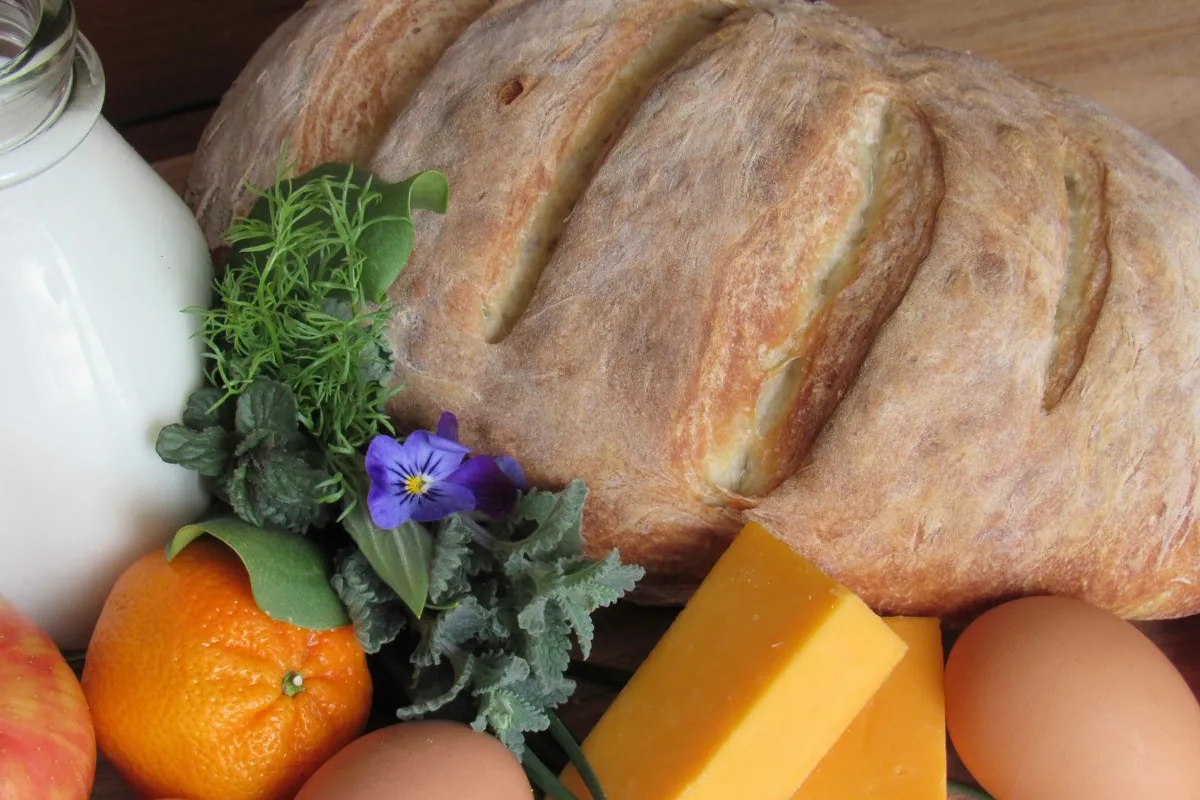
In lacto-ovo vegetarianism plant foods come first, and eggs and dairy products such as milk, cheese or yoghurt are allowed. It is the most widespread vegetarian diet.
What is a lacto-ovo vegetarian?
Someone who eats plant foods, eggs and dairy, but no meat or fish. Eggs and dairy supply protein, calcium and vitamin B12, which gives them more room than on a vegan diet, although they still need to plan for iron and omega-3.
The protein comes from eggs, dairy, pulses, soya and nuts. That makes it the easiest option to start with without changing your meal routine much.
What is a lacto vegetarian?
A lacto vegetarian has dairy but no eggs, meat or fish. It is one of the two minor variants of lacto-ovo vegetarianism, along with the ovo vegetarian, who admits eggs but not dairy.
Api vegetarian
What is an api vegetarian?
An api vegetarian eats only plant foods and honey. Honey is the one animal product they admit, and they tend to look for the best quality and local sourcing. If you leave honey out, the diet becomes vegan.
Vegan and raw vegan
Veganism goes beyond food: its philosophy is not to consume anything that comes from animals, including cosmetics, clothing or accessories, or products tested on animals. Raw vegans eat the same as vegans, on the condition that everything is raw or cooked below 42 °C. This movement started in the United States with the rise of "raw" foods.
What a vegan diet lacks is replaced with pulses, tofu and tempeh for protein, plant drinks fortified with calcium, and nuts and seeds for fats. It can be done well, but it is not improvised: it asks you to read labels and review blood tests regularly.
What is the difference between vegan and vegetarian?
A vegetarian does not eat meat or fish and may have eggs, dairy or honey depending on their type. A vegan excludes all animal-derived foods and, as a rule, everyday products made from animals too. A vegan diet requires a vitamin B12 supplement.
Fruitarian
What is the fruitarian diet?
The fruitarian diet bases 80% of daily food on fruit, and the other 20% on nuts, seeds and vegetables. It is the most restrictive and carries the highest risk of falling short on protein, B12, calcium and iron. It is not advisable for children, in pregnancy or for athletes.
Because it leaves out pulses and cereals, the basis of plant protein, it is hard for it to meet the protein needs of someone who trains, and a B12 shortfall appears sooner or later. If fruit appeals to you, the sensible route is to eat more of it as part of a lacto-ovo vegetarian diet, not as your only diet.
Flexitarian: a way to start
What is a flexitarian?
A flexitarian eats mostly plant foods and has meat or fish occasionally. For many people it is the halfway step between an omnivorous and a vegetarian diet. The term also covers anyone who, without planning it, eats more plant foods than animal products. To start, it is enough to set a couple of meat-free days a week and see which recipes work for you.
Vegetarian diet and sport
A well-planned vegetarian diet is compatible with sport. What changes is that there are more nutrients to keep an eye on. In pregnancy, breastfeeding or childhood it is also possible, as long as it is planned with a doctor or dietitian.
Do vegetarian athletes need more protein?
Possibly a little more. Plant protein is digested somewhat less well and often has less of some amino acid, such as lysine in cereals. So it pays to vary pulses, cereals, soya and nuts, and to review your portion if you train hard. The exact figure is for a dietitian to set.
Which nutrients should you watch on a vegetarian diet?
Vitamin B12, iron, calcium, iodine, omega-3 and vitamin D. On a vegan diet you must always supplement B12, and the dose is for a doctor or dietitian to give. Plant iron is absorbed less well, and the vitamin C in fruit or peppers helps.
A typical day for a lacto-ovo vegetarian who trains might be oats with banana and walnuts for breakfast, lentils with rice and vegetables for lunch, yoghurt with fruit as a snack and an omelette with salad for dinner. Five foods recur in that kind of menu:
- Oats: carbohydrates and fibre for breakfast or before training.
- Banana: fast-absorbing carbohydrates and potassium.
- Broccoli: a vegetable with fibre and vitamin C.
- Egg: complete protein, only for ovo and lacto-ovo vegetarians.
- Walnuts and almonds: fats, protein and magnesium; walnuts also supply plant omega-3.
For more high-protein foods, see the list of high-protein foods, and to understand what protein does in the body, the article on what it is for. If you want to top up your intake with a supplement, the yeast protein is vegan, with 19.5 g of protein per 27 g serving, and the vegan crunchy chocolate protein bar has 13 g of protein per bar.
The bar contains soya and maltitol, a polyol that can have a laxative effect in excess. Yeast protein is not the same as nutritional yeast, which has its own article.
