











Shopping Cart
There are no more items in your cart
TL;DR: Pre-workout is a supplement with caffeine, creatine, beta-alanine and citrulline taken 20-30 minutes before training to boost energy, focus and endurance. Its effects last between 1.5 and 3 hours, and if it's your first time, it's best to start with half a dose to test your tolerance.
You know the feeling: you get to the gym after a long day, with barely any motivation left and your energy running on empty. You look at the workout ahead and it feels like a mountain to climb. It happens to everyone. Those are exactly the moments when a little extra help can make the difference between a mediocre session and one where you give it your all.
That's where the pre-workout supplement comes in. It has become an ally for countless athletes looking for that push to start strong and keep the pace up to the last rep. But what exactly is it? How does it work? And, most importantly, does it actually work? Let's clear up all your doubts, clearly and directly.
What is a pre-workout supplement and how does it work in your body?
To get straight to the point, a pre-workout supplement is a combination of ingredients designed to be taken before physical activity. Its purpose is simple: to prepare you to perform at your best. Think of it as the warm-up for your nervous system and muscles, a way of telling them "it's time to get serious". It's not a magic formula, but a tool that, thanks to a carefully studied blend of components, helps you improve energy, focus and endurance.
The energy and focus boost you need before training
The most immediate effect of a pre-workout is that feeling of activation. It's the "switch" that turns on your body and mind, taking you from "couch mode" to "training mode". On the days when motivation is low, it gives you the push you need to pick up the weights or start running with drive, letting you focus on every movement and connect much better with the muscles you're working.
Main mechanisms of action that power your workouts
Although every pre-workout has its own formula, most work through three main pathways:
- Nervous system stimulation: ingredients like caffeine put you on alert, reduce your perception of fatigue and help you feel more energetic.
- Increased blood flow: certain components help dilate blood vessels, so more blood, oxygen and nutrients reach your muscles while you train, improving performance and endurance.
- Reduced muscle fatigue: other ingredients act as a "buffer" against the build-up of waste substances that cause that burning sensation in your muscles, letting you squeeze out more reps or hold on for longer.
What are the benefits of taking pre-workout?
Beyond the theory, what really matters is what a pre-workout can do for you in practice. These are its most direct benefits.
Increased energy and reduced feeling of fatigue
This is the star benefit and the easiest one to notice. A pre-workout gives you a controlled energy peak that helps you take on the toughest sessions. It fights fatigue from the start, letting you train with greater intensity and for longer without feeling like you're running on empty halfway through.
Better mental focus and concentration during exercise
Do you get distracted easily at the gym? Pre-workout helps you "zero in". It improves the mind-muscle connection, a key factor in making every rep count. By staying more focused, you improve your technique, reduce the risk of injury and make the most of every minute of your session.
Increased strength and muscular endurance
By delaying fatigue and improving the energy supply to your muscles, a pre-workout lets you lift more weight or squeeze out that extra rep that used to be out of reach. Over time, this ability to push past your limits translates into real gains in strength and endurance.
Optimising blood flow and vascularisation
That feeling of swollen, congested muscles during training, known as the "pump", isn't just for show: it's caused by increased blood flow to the area you're working. A pre-workout with nitric oxide precursors boosts this effect, meaning your muscles get more oxygen and nutrients exactly when they need them most.
What's in a pre-workout? Key ingredients and their role
How effective a pre-workout is depends on its formula. While there are countless ingredients out there, these are the most common and effective ones you should know about.
Stimulants for activation: caffeine and taurine
Caffeine is the best-known and most studied stimulant. It activates your central nervous system, keeps you alert and reduces your perceived effort. Taurine is an amino acid that often accompanies it, helping to regulate water levels in cells and supporting muscle function.
Performance enhancers: creatine and beta-alanine
Creatine is one of the supplements with the most scientific evidence behind it. It helps your muscles produce energy quickly during short, intense efforts, like lifting weights. If you want to learn more about the benefits of creatine, check out our article. Beta-alanine, for its part, delays the onset of muscle fatigue, letting you hold out for longer sets. It's responsible for that harmless tingling some people feel on their skin.
Amino acids for recovery and performance: BCAAs and L-Carnitine
BCAAs (branched-chain amino acids) are the building blocks of protein and can help reduce muscle damage during exercise. L-Carnitine is another amino acid that plays a key role in metabolism, helping the body transport fatty acids to convert them into energy. You can discover all the functions of L-Carnitine in our complete guide.
Nitric oxide precursors for vasodilation: citrulline and arginine
Citrulline and arginine are amino acids your body uses to produce nitric oxide. This molecule relaxes and widens blood vessels (a process called vasodilation), improving circulation and triggering that "pump" effect so sought-after in strength training.
When and how should you take pre-workout to maximise its effects?
Using pre-workout well is just as important as choosing a good one. A couple of details about timing and dosage can completely change your experience.
The ideal timing: how many minutes before training?
The general rule is to take it 20 to 30 minutes before starting your workout. This gives your body enough time to absorb the ingredients and start noticing their effects right as you begin your first set. Taking it on a relatively empty stomach can speed up absorption. If you want an ally for those days, our Orange Pre-Workout is formulated to give you the boost you need.
Recommended dose and how to prepare it correctly
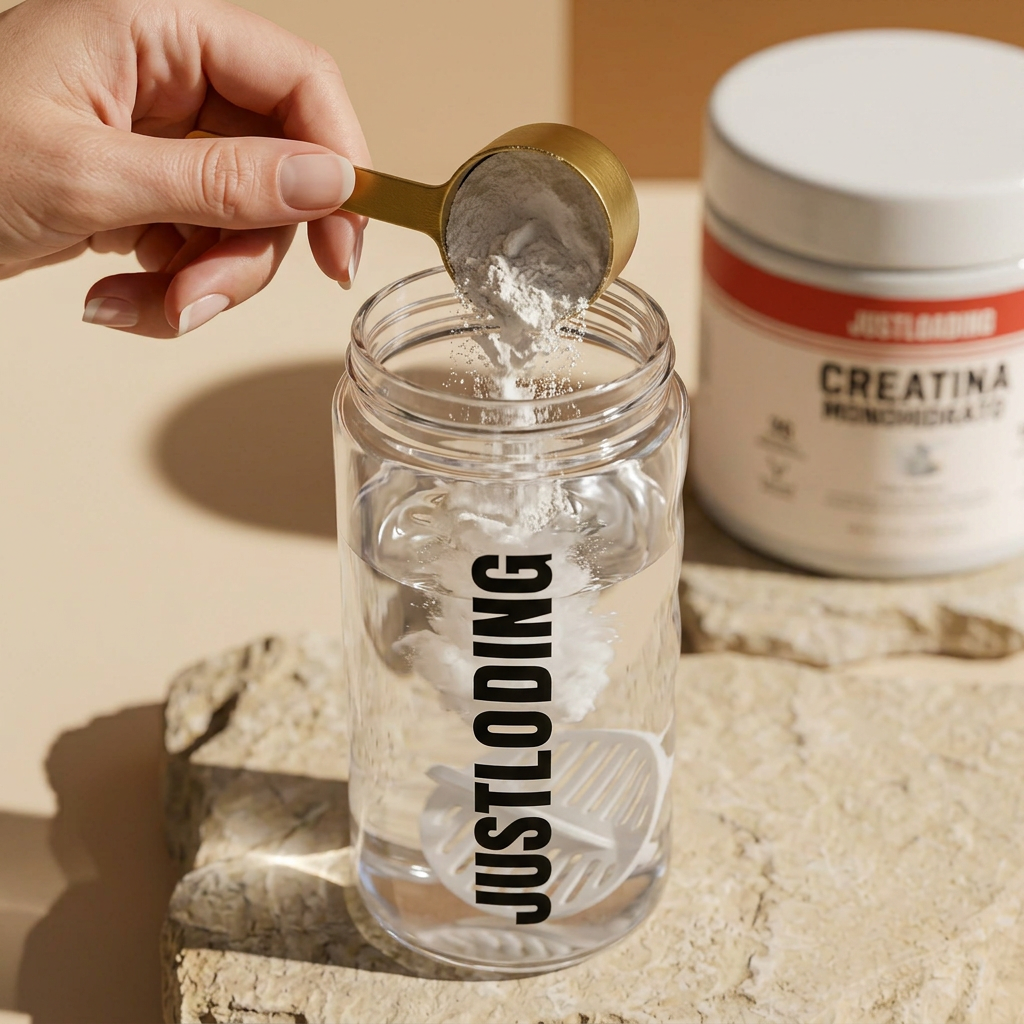
Preparation is very simple: mix the recommended dose (usually one scoop) with water, shake well and you're done. Important! If it's your first time taking a pre-workout, always start with half a dose to test your tolerance, especially to the stimulants. Once you see how your body reacts, you can adjust it. You can also try the Lemon-Lime version for a change of flavour.
Types of pre-workout supplements: which one is best for you?
Not all pre-workouts are the same, and not all of them suit everyone. The main difference usually comes down to the presence or absence of stimulants.
| Type of pre-workout | Contains caffeine? | Best for | Main advantage |
|---|---|---|---|
| With stimulants | Yes | Training in the morning or at midday | Maximum activation and energy |
| Caffeine-free | No | Training at night or sensitivity to stimulants | Same blood flow benefits without affecting sleep |
Pre-workout guide for beginners: how to get started
If you're thinking about getting started, follow these steps:
- Start with half a dose to see how it suits you.
- Take it 20-30 minutes before training with water.
- Save it for your most demanding training days.
There's no need to take it for a light cardio session or on your rest days.
The importance of cycling your intake and avoiding tolerance
If you take a stimulant pre-workout every day, your body can get used to it and stop noticing its effects. To avoid this tolerance, it's a good idea to "cycle" its use. You could, for example, use it for 6-8 weeks and then rest for 1-2 weeks, or simply save it for the 2-3 toughest workouts of the week.
Alternatives: is there a natural or homemade pre-workout?
Of course, supplements aren't the only option. If you prefer something more natural, you can still give your body a boost before training.
Foods you can eat before training for an extra energy boost
Some foods work great as fuel before exercise. A banana, a handful of dates, a plain coffee or a bit of oats are excellent options to naturally load up on energy. If you have questions about sports nutrition, we recommend reading our guide on what to eat before and after training.
How to prepare a homemade pre-workout with simple ingredients
If you feel like it, you can make your own pre-workout at home. A simple and effective combination is mixing an espresso (caffeine), a pinch of sea salt (electrolytes) and beetroot juice (rich in nitrates that improve blood flow). It won't have the same taste or strength as a commercial formula, but it's a natural, affordable alternative.
Conclusion: is it worth adding pre-workout to your routine?
After this rundown, the answer is clear: yes, a pre-workout is worth it if you use it intelligently. It's not a miracle product that will do the work for you, but it is a very effective tool to help you reach your full potential on the days when energy and motivation are lacking. It helps you train harder, stay more focused and push past your own limits. The key is seeing it for what it is: a complement to your effort, your diet and your rest. If you use it strategically for your most demanding workouts, it will become a great ally in reaching your goals faster.
Frequently asked questions about pre-workout
What is pre-workout and what is it used for?
Pre-workout is a supplement formulated to be taken before training. It combines ingredients such as caffeine, creatine, beta-alanine or citrulline to improve energy, focus and endurance during exercise.
How many minutes before training should you take pre-workout?
The general rule is to take it 20 to 30 minutes before starting your workout, on a relatively empty stomach to speed up absorption of the ingredients.
How long does the effect of a pre-workout last in the body?
Duration depends on the person and the formula, but effects generally last between 1.5 and 3 hours, long enough to complete even the most demanding workouts.
What dose of pre-workout should I take if it's my first time?
If it's your first time, always start with half a dose (half a scoop) to test your tolerance to stimulants. Once you see how your body reacts, you can adjust to the full recommended dose.
What side effects can pre-workout have?
Side effects usually appear with doses that are too high or due to individual sensitivity to stimulants: nervousness, anxiety or an accelerated heart rate from caffeine, and a mild, harmless tingling on the skin from beta-alanine.
Does pre-workout make you gain fat?
No. Pre-workouts contain almost no calories, are usually sugar-free and include no ingredient that causes fat gain. By helping you train harder, they're an ally both for building muscle and for losing weight.
Can you take pre-workout every day?
It's not recommended. Taking it daily can build tolerance, making your body stop noticing its effects. It's best to cycle its use, for example 6-8 weeks on and 1-2 weeks off, or save it only for your 2-3 toughest workouts of the week.
What's the difference between a stimulant pre-workout and a caffeine-free one?
A stimulant pre-workout contains caffeine or other activators for a boost of energy and focus, ideal for training in the morning or at midday. A caffeine-free pre-workout offers the same blood flow and muscular endurance benefits without the risk of affecting sleep, making it a better choice for evening training.
Is there a natural or homemade pre-workout?
Yes. You can make a homemade version by mixing an espresso (caffeine), a pinch of sea salt (electrolytes) and beetroot juice (nitrates that improve blood flow). It won't match the strength of a commercial formula, but it's a natural, affordable alternative.
What ingredients should a good pre-workout have?
A complete pre-workout combines caffeine and taurine for activation, creatine and beta-alanine for performance and endurance, BCAAs and L-Carnitine for recovery, and citrulline or arginine as nitric oxide precursors to improve blood flow.
